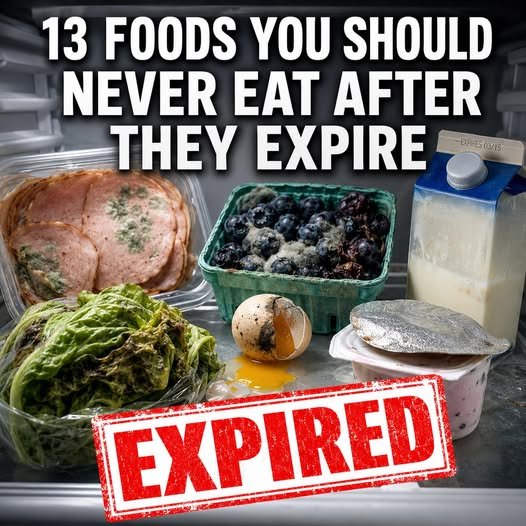
Food date labels can be confusing. In many cases, foods are still safe after their “best by” or “best before” date because those labels refer to quality, not safety. However, some foods become much riskier once they pass their expiration or “use by” date and should be discarded.
Here are 13 foods you should avoid eating after their expiration date or if they show signs of spoilage.
1. Deli Meats
Sliced ham, turkey, roast beef, and other deli meats can harbor harmful bacteria such as Listeria monocytogenes. Do not eat them after the use-by date or if they develop an off smell, slimy texture, or discoloration.
2. Fresh Ground Meat
Ground beef, pork, chicken, and turkey spoil faster than whole cuts because bacteria can be mixed throughout the meat during processing. If expired or improperly stored, throw it away.
3. Raw Poultry
Chicken, turkey, and duck should never be eaten past their use-by date. Spoiled poultry may smell sour, become sticky, or change color, but harmful bacteria are not always visible.
4. Fresh Fish and Shellfish
Seafood is highly perishable. Eating spoiled fish or shellfish can cause serious foodborne illness. If it smells overly fishy, sour, or like ammonia, discard it.
5. Raw Milk and Unpasteurized Dairy
Unpasteurized milk and dairy products can contain harmful bacteria. Once expired or spoiled, they should not be consumed.
6. Soft Cheeses
Soft cheeses such as brie, camembert, ricotta, queso fresco, and cottage cheese spoil more quickly than hard cheeses. Discard them if expired or if mold develops (unless the mold is expected in that cheese).
7. Bagged Salads and Leafy Greens
Pre-washed salad mixes and leafy greens can become contaminated with bacteria. Throw them away if they become slimy, wilted, or have an unpleasant odor.
8. Sprouts
Alfalfa, bean, and clover sprouts are particularly prone to bacterial contamination because they are grown in warm, moist conditions. Avoid eating them after their expiration date.
9. Refrigerated Ready-to-Eat Meals
Prepared meals, sandwiches, and leftovers should not be eaten after their use-by date or if they have been left unrefrigerated for more than two hours (one hour if the temperature is above 32°C/90°F).
10. Fresh Berries
Strawberries, raspberries, blueberries, and blackberries spoil quickly. Mold can spread beneath the surface even when only a few berries appear affected.
11. Fresh Tofu
Once opened, tofu should be refrigerated and used within a few days according to package instructions. Discard it if it smells sour or develops a slimy texture.
12. Fresh Juice (Unpasteurized)
Unpasteurized fruit and vegetable juices can support the growth of harmful bacteria. Avoid drinking them after the expiration date.
13. Infant Formula
Infant formula is one product that should never be used after its expiration date. The nutrients may degrade over time, and safety cannot be guaranteed.
Understanding Food Date Labels
Not all date labels mean the same thing:
- Best Before / Best By: Indicates when the product is likely to be at its best quality. Many shelf-stable foods remain safe after this date if stored properly.
- Use By: The manufacturer’s recommended last date for safe use, especially for highly perishable foods.
- Sell By: A guide for retailers. It does not necessarily mean the food becomes unsafe immediately afterward.
Signs Food Has Spoiled
Regardless of the date, throw food away if it has:
- Mold (except where expected, such as certain cheeses)
- A sour or unusual smell
- A slimy or sticky texture
- Bulging or leaking packaging
- An unusual color
Remember, some dangerous bacteria do not change the food’s appearance, smell, or taste.
The Bottom Line
Many shelf-stable foods remain safe after a best before date, but highly perishable foods—such as raw meat, poultry, seafood, deli meats, unpasteurized dairy, and infant formula—should not be eaten past their use-by or expiration date. When in doubt, it’s safest to discard questionable food to reduce the risk of foodborne illness.