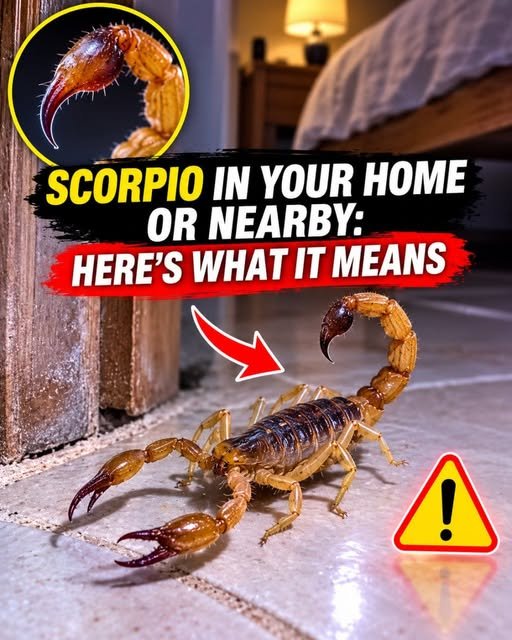
Finding a scorpion inside your home or in your yard can be alarming. While most scorpions are not life-threatening, their sting can be painful, and a few species have venom that can cause serious illness. Knowing why they appear and how to respond can help keep you and your family safe.
Why Are Scorpions Around Your Home?
Scorpions usually enter homes in search of food, water, or shelter.
Common reasons include:
- Warm, dry weather: Many scorpion species become more active during hot months.
- Cooler temperatures: They may move indoors to escape extreme heat or cold.
- Insects: Homes with cockroaches, crickets, spiders, or other insects provide a food source.
- Moisture: Leaking pipes, damp basements, bathrooms, and laundry rooms can attract them.
- Hiding places: Wood piles, rocks, clutter, cardboard boxes, and cracks in walls offer ideal shelter.
Are Scorpions Dangerous?
It depends on the species.
Most scorpion stings cause:
- Immediate pain or burning
- Mild swelling
- Redness
- Tingling or numbness around the sting
However, some species have medically significant venom, especially in parts of North Africa, the Middle East, Mexico, and the southwestern United States. Their stings can cause:
- Severe pain
- Muscle twitching
- Excessive sweating
- Difficulty breathing
- Vomiting
- Increased heart rate
Young children, older adults, and people with allergies may be at greater risk of severe reactions.
What Should You Do If You Find a Scorpion?
Stay Calm
Avoid touching it with bare hands.
Keep Children and Pets Away
Move everyone to a safe area until the scorpion is removed.
Remove It Carefully
If it can be done safely, use long-handled tongs or carefully trap it under a container and slide a piece of stiff cardboard underneath before moving it outdoors. If you’re unsure or there are multiple scorpions, consider contacting a pest control professional.
Check Nearby Areas
Inspect:
- Shoes
- Clothing left on the floor
- Towels
- Bedding
- Storage boxes
- Under furniture
Scorpions like dark, undisturbed places.
How to Prevent Scorpions
Reduce the chances of future visits by:
- Sealing cracks around doors, windows, and foundations.
- Installing door sweeps and repairing damaged screens.
- Reducing indoor insects, which serve as food.
- Removing piles of wood, rocks, and yard debris near the house.
- Keeping grass and shrubs trimmed.
- Fixing plumbing leaks and reducing excess moisture.
- Shaking out shoes, gloves, towels, and clothing before use if you live in an area where scorpions are common.
What to Do If You’re Stung
For most mild stings:
- Wash the area with soap and water.
- Apply a cool compress to reduce pain and swelling.
- Keep the affected limb elevated if possible.
- Follow your healthcare provider’s advice about pain relief if needed.
When to Seek Emergency Medical Care
Get immediate medical attention if the person develops:
- Difficulty breathing or swallowing
- Severe or spreading pain
- Muscle jerking or uncontrolled movements
- Excessive drooling or sweating
- Confusion or loss of consciousness
- Signs of a severe allergic reaction, such as swelling of the face or throat
Children, older adults, or anyone with severe symptoms should be evaluated promptly.
The Bottom Line
Seeing a scorpion in or near your home doesn’t necessarily mean your home is unsafe, but it may indicate that the environment provides food, moisture, or shelter. Most scorpion stings are painful rather than life-threatening, but some species can cause serious illness. Taking simple prevention steps and knowing when to seek medical care can help protect your household.