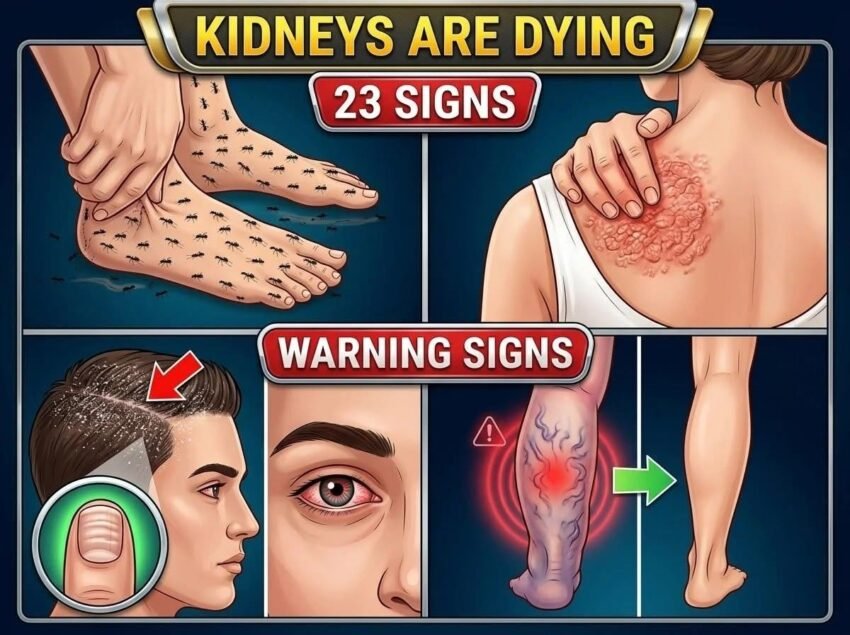
Your kidneys work around the clock to filter waste, balance fluids, regulate blood pressure, produce hormones, and maintain healthy levels of minerals in your body. Despite their vital role, kidney disease often develops quietly, with few noticeable symptoms in its early stages. By the time obvious warning signs appear, significant kidney damage may have already occurred.
Recognizing subtle changes in your body can help you seek medical attention earlier and potentially slow or prevent further kidney damage. While many of these signs can have causes unrelated to kidney disease, persistent or worsening symptoms should never be ignored.
Here are 23 silent signs that may indicate your kidneys need attention.
1. Persistent Fatigue
Healthy kidneys produce a hormone called erythropoietin, which stimulates the production of red blood cells. When kidney function declines, hormone production decreases, potentially leading to anemia. As a result, you may experience constant tiredness, weakness, or difficulty concentrating.
2. Swollen Feet and Ankles
Kidneys help regulate the body’s salt and fluid balance. When they are not functioning properly, excess fluid can accumulate in the legs, ankles, feet, and sometimes the hands or face.
3. Frequent Urination at Night
Needing to urinate several times during the night, especially if it is a new pattern, may indicate changes in kidney function. However, it can also result from diabetes, an enlarged prostate, or other conditions.
4. Foamy or Bubbly Urine
Persistent foam in the urine may suggest the presence of excess protein, a condition known as proteinuria. Protein leakage is often an early indicator of kidney damage.
5. Blood in the Urine
Pink, red, or brown urine should always be evaluated by a healthcare professional. Blood in the urine may be caused by kidney disease, kidney stones, urinary tract infections, or other medical conditions.
6. Puffiness Around the Eyes
Protein leaking into the urine can reduce protein levels in the bloodstream, causing fluid to collect around the eyes, particularly after waking up.
7. High Blood Pressure
The kidneys and blood pressure are closely connected. High blood pressure can both cause kidney disease and result from declining kidney function, creating a harmful cycle.
8. Dry and Itchy Skin
Healthy kidneys help maintain proper mineral balance. Advanced kidney disease may lead to dry, itchy skin due to waste buildup and changes in calcium and phosphorus levels.
9. Muscle Cramps
Frequent muscle cramps may occur when kidney disease disrupts the balance of electrolytes such as calcium, potassium, and magnesium.
10. Poor Appetite
A gradual loss of appetite may occur as waste products accumulate in the bloodstream, affecting digestion and overall well-being.
11. Metallic Taste in the Mouth
Some people with reduced kidney function notice a metallic taste or altered sense of taste, making food less enjoyable.
12. Bad Breath
Waste accumulation in the blood, sometimes called uremia, can contribute to unpleasant breath that does not improve with routine dental care.
13. Nausea and Vomiting
As kidney function declines, toxins can build up in the body, leading to nausea, vomiting, or general stomach discomfort.
14. Difficulty Concentrating
Reduced oxygen delivery caused by anemia, along with toxin buildup, may affect memory, focus, and mental clarity.
15. Persistent Back or Side Pain
Pain near the lower back or sides may be associated with kidney stones, kidney infections, or other kidney disorders. Chronic kidney disease itself often develops without pain.
16. Shortness of Breath
Fluid buildup in the lungs or anemia associated with kidney disease may contribute to difficulty breathing during everyday activities.
17. Unexplained Weight Loss
Loss of appetite combined with nausea and metabolic changes may lead to gradual, unintended weight loss.
18. Trouble Sleeping
People with kidney disease may experience insomnia, restless legs syndrome, or sleep apnea more frequently than the general population.
19. Persistent Headaches
High blood pressure and anemia related to kidney problems can contribute to recurring headaches.
20. Difficulty Controlling Blood Pressure
Blood pressure that remains elevated despite medication may warrant further evaluation, including assessment of kidney function.
21. Changes in Urine Color or Amount
Urine that becomes unusually dark, cloudy, or significantly increases or decreases in volume may signal kidney or urinary tract problems.
22. Persistent Swelling in the Hands or Face
Fluid retention may affect not only the feet but also the hands, fingers, face, and eyelids, especially in more advanced kidney disease.
23. Elevated Blood Test Results
Sometimes the earliest sign of kidney disease is not a symptom at all. Elevated creatinine levels, reduced estimated glomerular filtration rate (eGFR), or increased urine albumin detected during routine laboratory testing may reveal kidney problems before symptoms develop.
Who Is at Higher Risk?
Certain individuals have a greater likelihood of developing kidney disease, including those with:
- Diabetes
- High blood pressure
- Heart disease
- Obesity
- A family history of kidney disease
- Age over 60 years
- A history of smoking
- Frequent use of certain pain relievers, such as nonsteroidal anti-inflammatory drugs (NSAIDs)
When Should You See a Doctor?
If you notice one or more of these symptoms that persist for several days or weeks, schedule an appointment with your healthcare provider. Seek immediate medical attention if you experience blood in your urine, severe swelling, intense pain, difficulty breathing, or a sudden decrease in urine output.
Your healthcare provider may recommend tests such as:
- Blood creatinine and eGFR
- Urine albumin or protein testing
- Blood pressure measurement
- Kidney ultrasound, if indicated
- Additional blood tests to evaluate electrolyte levels
Protecting Your Kidney Health
Many kidney problems can be prevented or slowed by adopting healthy habits. Stay well hydrated, manage blood pressure and blood sugar, maintain a healthy weight, exercise regularly, avoid smoking, limit excessive salt intake, and use over-the-counter pain medications only as directed. Regular health checkups are especially important if you have risk factors for kidney disease.
Final Thoughts
Kidney disease is often called a “silent” condition because early symptoms can be subtle or easily overlooked. Paying attention to changes in your body and seeking timely medical evaluation can make a significant difference. Although these 23 signs do not necessarily mean you have kidney disease, they are important signals that deserve attention. Early diagnosis and appropriate treatment remain the most effective ways to preserve kidney function and protect your long-term health.