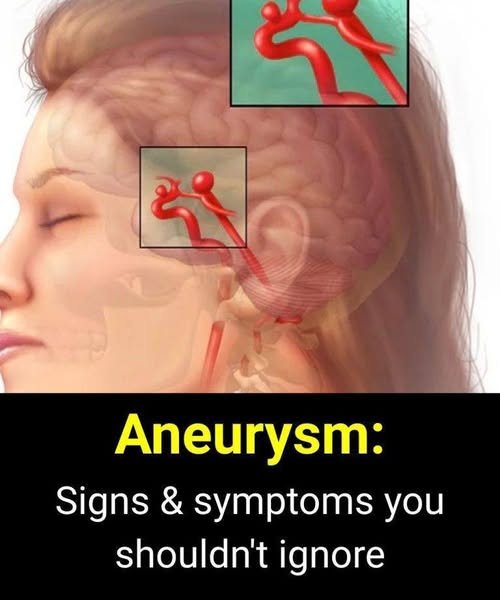
The brain is one of the body’s most complex organs, relying on a constant supply of oxygen-rich blood to function properly. Sometimes, however, a weak spot develops in the wall of a blood vessel in the brain. This weakened area can bulge outward, forming what is known as a brain aneurysm.
Many brain aneurysms cause no symptoms at all, which is why they are often referred to as “silent aneurysms.” In many cases, people do not know they have one until it is discovered during a brain scan performed for another reason. Although most aneurysms never rupture, a ruptured brain aneurysm is a medical emergency that requires immediate treatment.
What Is a Brain Aneurysm?
A brain aneurysm is a balloon-like bulge that forms in a weakened section of a blood vessel in the brain. Most are small and remain stable throughout a person’s life, but some may enlarge over time.
An aneurysm can develop in anyone, though certain factors increase the risk.
Why Are Many Aneurysms “Silent”?
Unlike many medical conditions, small brain aneurysms often do not interfere with normal brain function. As a result, they may not produce noticeable symptoms.
Many silent aneurysms are found accidentally when imaging tests such as a CT scan or MRI are performed for headaches, injuries, or other unrelated medical concerns.
Who May Be at Higher Risk?
Several factors can increase the likelihood of developing a brain aneurysm, including:
- High blood pressure
- Smoking
- A family history of brain aneurysms
- Certain inherited connective tissue disorders
- Older age
- Female sex
- Excessive alcohol use
Having one or more risk factors does not mean a person will develop an aneurysm, but managing these risks may help protect blood vessel health.
Possible Symptoms of an Unruptured Aneurysm
Most unruptured aneurysms do not cause symptoms. However, if an aneurysm becomes larger and presses on nearby nerves or brain tissue, symptoms may include:
- Pain behind or above one eye
- Double vision or blurred vision
- A drooping eyelid
- Changes in pupil size
- Facial numbness or weakness
- Persistent headaches in some cases
These symptoms do not always mean an aneurysm is present, but they should be evaluated by a healthcare professional.
Warning Signs of a Ruptured Brain Aneurysm
A ruptured aneurysm causes bleeding around the brain, known as a subarachnoid hemorrhage, which is a life-threatening emergency.
Symptoms can include:
- A sudden, extremely severe headache often described as the “worst headache of my life”
- Stiff neck
- Nausea and vomiting
- Sensitivity to light
- Blurred or double vision
- Confusion
- Loss of consciousness
- Seizures
These symptoms require immediate emergency medical care.
Can Brain Aneurysms Be Prevented?
Not all aneurysms can be prevented, but maintaining healthy blood vessels may help lower the risk of complications.
Healthy habits include:
- Keeping blood pressure under control
- Avoiding smoking
- Exercising regularly
- Eating a balanced diet
- Limiting excessive alcohol intake
- Managing conditions such as diabetes and high cholesterol
People with a strong family history of brain aneurysms should discuss their individual risk with a healthcare professional, who can advise whether screening is appropriate.
When Should You See a Doctor?
Arrange a medical evaluation if you experience:
- Persistent or unexplained neurological symptoms
- Sudden changes in vision
- New facial weakness or numbness
- A severe headache that is unusual for you
Seek emergency medical attention immediately if you or someone else develops a sudden, intense headache accompanied by confusion, loss of consciousness, seizures, or other neurological symptoms.
Final Thoughts
Silent brain aneurysms often go unnoticed because they usually cause no symptoms until they become large or rupture. While most aneurysms never rupture, understanding the warning signs and managing risk factors can help protect your health. If you experience sudden or severe neurological symptoms, prompt medical evaluation is essential, as early treatment can be lifesaving.