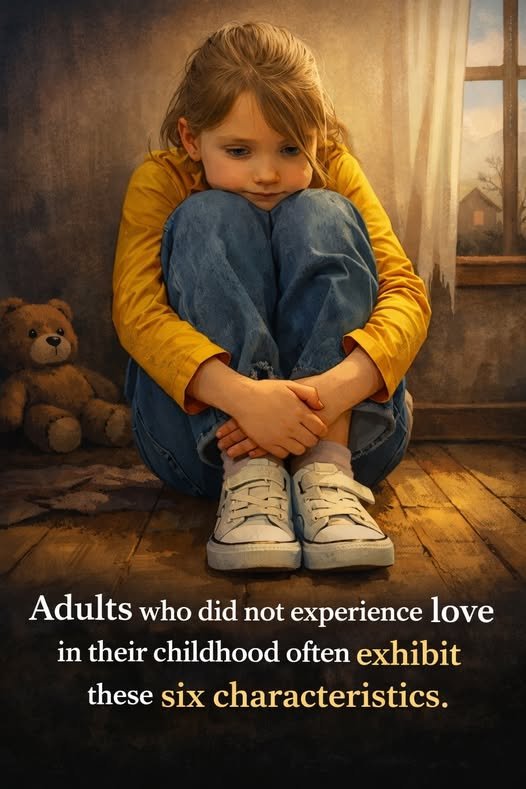
Childhood experiences can have a lasting influence on emotional development, relationships, and self-esteem. When children consistently grow up without enough affection, emotional support, or reassurance, they may develop coping strategies that continue into adulthood.
It’s important to remember that these traits are not personality flaws or proof that someone lacked love. Many factors—including temperament, life experiences, and supportive relationships later in life—shape who we become. Not everyone who experienced an emotionally distant childhood will develop these traits.
Here are six characteristics that some adults may recognize.
1. Difficulty Trusting Others
People who did not consistently experience warmth or emotional security during childhood may find it challenging to trust others as adults.
They may:
- Be cautious in new relationships
- Worry about being disappointed
- Keep emotional distance
- Take longer to open up
Building trust often takes time, especially after early experiences of inconsistency or neglect.
2. A Strong Need for Approval
Some adults seek constant reassurance because they did not receive enough encouragement growing up.
This may appear as:
- Wanting frequent praise
- Fear of disappointing others
- Comparing themselves to others
- Measuring self-worth through external validation
Learning to value yourself independently can help build lasting confidence.
3. Difficulty Expressing Emotions
Children who grow up in environments where emotions are ignored or discouraged may become adults who struggle to express how they feel.
They may:
- Keep feelings to themselves
- Avoid emotional conversations
- Find it difficult to ask for support
- Feel uncomfortable with vulnerability
Recognizing and expressing emotions is a skill that can be developed over time.
4. Fear of Rejection
Past emotional experiences can make rejection feel especially painful.
Some people may:
- Avoid close relationships
- Expect others to leave
- Overthink conversations
- Stay in unhealthy situations to avoid being alone
Developing healthy relationships with supportive people can gradually reduce these fears.
5. Becoming Highly Independent
Independence is a valuable quality, but for some adults it develops as a way to cope with limited emotional support during childhood.
They may:
- Rarely ask for help
- Feel they must handle everything alone
- Struggle to rely on others
- Believe needing support is a weakness
Healthy independence also includes knowing when it’s okay to accept help.
6. Low Self-Esteem or Self-Doubt
Growing up without consistent affection or encouragement can affect how people view themselves.
They may:
- Be overly self-critical
- Minimize their achievements
- Feel “not good enough”
- Doubt compliments from others
Self-esteem can improve through positive relationships, self-compassion, and, for some people, counseling or therapy.
Can These Patterns Change?
Yes. Emotional patterns formed in childhood are not permanent.
Many people strengthen their emotional well-being by:
- Building supportive relationships
- Practicing self-compassion
- Learning healthy communication skills
- Setting boundaries
- Seeking help from a qualified mental health professional when needed
Healing is often a gradual process, and meaningful change is possible at any stage of life.
Final Thoughts
Growing up with limited affection can influence the way someone thinks, feels, and relates to others, but it does not define their future. With understanding, healthy relationships, and the right support, people can develop greater confidence, emotional resilience, and deeper connections throughout adulthood.