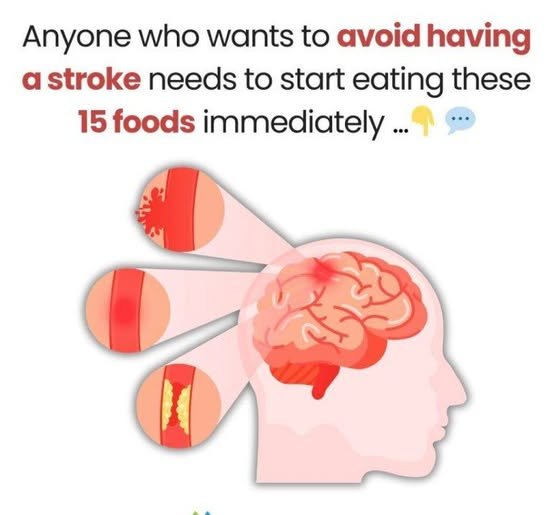
A stroke can happen when blood flow to the brain is blocked or when a blood vessel bursts. While no food can completely prevent a stroke, the right diet can help protect your heart, blood vessels, and brain by supporting healthy blood pressure, cholesterol levels, and reducing inflammation.
Many experts recommend eating patterns rich in vegetables, fruits, whole grains, healthy fats, and lean proteins to reduce the risk factors linked to stroke.
Here are 15 powerful foods that support brain and heart health.
1. Leafy Green Vegetables: Nature’s Brain Protectors
Vegetables like spinach, kale, lettuce, and mustard greens are packed with nutrients such as potassium, magnesium, folate, and antioxidants.
These nutrients help support healthy blood vessels and may help maintain normal blood pressure, one of the biggest factors linked to stroke risk.
Easy ways to eat them:
- Add spinach to eggs
- Make a fresh salad
- Mix greens into soups or smoothies
2. Fatty Fish: Omega-3 Support for Your Heart
Salmon, sardines, mackerel, and trout contain omega-3 fatty acids, healthy fats that support heart health.
Omega-3s may help maintain healthy cholesterol levels and reduce inflammation in the body.
Try eating fish regularly as part of a balanced diet.
3. Berries: Small Fruits With Big Benefits
Blueberries, strawberries, and blackberries contain plant compounds called flavonoids.
These antioxidants help protect cells from damage and support healthy circulation.
Simple idea:
Add berries to oatmeal, yogurt, or eat them as a snack.
4. Oats: A Cholesterol-Friendly Breakfast
Oats are rich in soluble fiber, which can help reduce LDL cholesterol levels.
High cholesterol can contribute to plaque buildup in arteries, increasing cardiovascular risks.
Best choice:
Choose plain oats instead of sugary instant varieties.
5. Walnuts and Other Nuts
Nuts provide:
- Healthy fats
- Fiber
- Magnesium
- Plant-based protein
Walnuts are especially known for their omega-3 content.
A small handful daily can be a heart-friendly snack.
6. Beans and Lentils: Fiber for Healthy Blood Flow
Beans, chickpeas, and lentils are affordable foods that provide protein and fiber.
Fiber helps support healthy cholesterol levels and may help control blood sugar.
Add them to:
- Soups
- Salads
- Curries
- Stews
7. Avocados: Healthy Fats for Blood Vessels
Avocados contain monounsaturated fats and potassium.
Potassium plays an important role in maintaining healthy blood pressure.
Enjoy them in moderation because they are calorie-dense.
8. Tomatoes: Rich in Protective Compounds
Tomatoes contain lycopene, an antioxidant associated with cardiovascular health.
Cooked tomatoes may provide even more available lycopene.
Try:
- Tomato sauces
- Soups
- Fresh salads
9. Extra Virgin Olive Oil: A Heart-Healthy Fat
Replacing unhealthy fats with olive oil may support better cholesterol balance.
It is a key part of the Mediterranean eating style, which is often associated with heart health.
Use it:
- On salads
- For cooking
- In homemade dressings
10. Garlic: A Traditional Heart-Friendly Food
Garlic contains compounds that may support healthy blood pressure and cholesterol levels.
Adding fresh garlic to meals is an easy way to increase flavor without adding excess salt.
11. Whole Grains: Better Energy and More Fiber
Choose:
- Brown rice
- Whole wheat bread
- Barley
- Quinoa
Whole grains contain more fiber and nutrients compared with refined grains.
12. Citrus Fruits: Vitamin C and Antioxidants
Oranges, lemons, and other citrus fruits provide vitamin C and beneficial plant compounds.
They can be a refreshing addition to a balanced diet.
13. Yogurt: Supporting a Balanced Diet
Unsweetened yogurt provides protein, calcium, and beneficial nutrients.
Choose plain varieties and add fresh fruit instead of relying on sugary flavors.
14. Broccoli and Cruciferous Vegetables
Broccoli, cauliflower, and cabbage contain:
- Fiber
- Vitamins
- Antioxidants
Regular vegetable intake is strongly linked with overall cardiovascular health.
15. Dark Chocolate (In Moderation)
Dark chocolate with a higher cocoa percentage contains flavonoids.
However, it should be eaten in small amounts because many chocolate products contain added sugar and calories.
Foods to Limit for Better Stroke Protection
While adding healthy foods matters, reducing harmful foods is equally important.
Try to limit:
❌ Excess salt
❌ Processed meats (sausages, bacon, deli meats)
❌ Sugary drinks
❌ Deep-fried foods
❌ Highly processed snacks
Other Daily Habits That Protect Your Brain
A stroke-prevention lifestyle includes more than food:
✅ Keep blood pressure under control
✅ Exercise regularly
✅ Maintain a healthy weight
✅ Avoid smoking
✅ Get enough sleep
✅ Manage stress
✅ Have regular health checkups
Final Thoughts
There is no single “miracle food” that can prevent a stroke overnight. The strongest protection comes from daily habits and a balanced eating pattern.
Filling your plate with vegetables, fruits, whole grains, healthy fats, and lean proteins can help support your heart and brain for years to come. Small food choices made every day can make a big difference in long-term health.