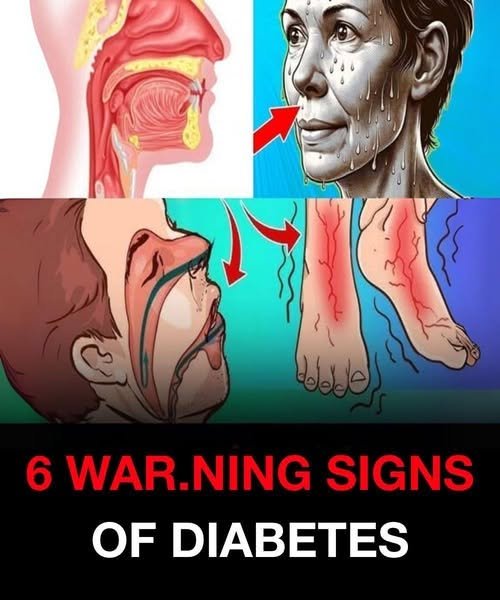
Because diabetes often develops gradually, its early symptoms can be subtle and easy to overlook. Recognizing these warning signs early can help you seek medical advice, receive timely treatment, and reduce the risk of long-term complications.
Can You Have Diabetes at a Healthy Weight?
Yes. Although obesity is a major risk factor for type 2 diabetes, it is not the only one. Genetics, age, family history, ethnicity, physical inactivity, hormonal conditions, and certain medical conditions can all contribute to diabetes risk.
People who appear slim may still develop:
- Type 1 diabetes, an autoimmune condition in which the body attacks insulin-producing cells.
- Type 2 diabetes, even without excess weight, especially if there is a strong family history or increased abdominal fat despite a normal body weight.
- Other less common forms of diabetes caused by medications, hormonal disorders, or pancreatic diseases.
That’s why relying on the number on the scale alone can provide a false sense of security.
1. You’re Constantly Thirsty
Feeling thirsty after exercise or on a hot day is normal. However, persistent thirst that doesn’t seem to go away may be a warning sign of high blood sugar.
When blood glucose levels rise, the kidneys work harder to remove excess sugar through urine. This process causes increased fluid loss, leaving you dehydrated and thirsty.
If you’re drinking plenty of water but still feel thirsty most of the time, it’s worth discussing with your healthcare provider.
2. You Need to Urinate More Often
Frequent urination—especially during the night—is another common symptom of diabetes.
As excess glucose is filtered into the urine, it draws water with it, increasing urine production.
Pay attention if you notice:
- Waking several times each night to urinate
- Frequent bathroom trips during the day
- Larger amounts of urine than usual
3. You’re Always Tired
Everyone feels tired occasionally, but diabetes-related fatigue tends to be persistent.
Without enough effective insulin, glucose cannot enter the body’s cells efficiently to be used as energy. Even though plenty of sugar may be circulating in the bloodstream, the cells are effectively “running low on fuel.”
This can leave you feeling:
- Exhausted
- Weak
- Less able to concentrate
- Sleepy during the day
4. Blurred Vision
High blood sugar can temporarily change the shape of the eye’s lens, leading to blurry vision.
You may notice:
- Difficulty focusing
- Fluctuating eyesight
- Needing stronger glasses unexpectedly
Persistent high blood sugar can also damage the small blood vessels in the retina over time, making regular eye examinations especially important for people with diabetes.
5. Cuts and Scratches Heal Slowly
Minor injuries usually heal within a reasonable period.
If cuts, blisters, or small wounds seem to linger, diabetes may be affecting circulation and the body’s ability to repair tissue efficiently.
Slow healing may also increase the risk of infection.
6. Frequent Infections
Repeated infections can sometimes be an early clue that blood sugar levels are elevated.
People with diabetes may experience:
- Urinary tract infections
- Yeast infections
- Skin infections
- Gum disease
High blood sugar can make it easier for bacteria and fungi to grow while also weakening parts of the immune response.
7. Tingling or Numbness in Hands and Feet
Chronically high blood sugar can damage nerves, a condition known as diabetic neuropathy.
Early symptoms may include:
- Tingling
- Burning sensations
- Numbness
- Sharp or stabbing pain
- Reduced sensation in the feet
These symptoms deserve prompt medical evaluation, especially if they continue or worsen.
8. Unexplained Weight Loss
Losing weight without trying isn’t always a sign of good health.
When the body cannot use glucose effectively, it may begin breaking down fat and muscle for energy.
Unintentional weight loss is particularly common in untreated type 1 diabetes but can also occur in some people with type 2 diabetes.
9. You’re Hungry All the Time
Constant hunger, even after eating, may occur because your cells aren’t receiving enough glucose for energy.
This ongoing energy shortage can make you feel as though you’ve never had enough to eat.
10. Dark, Velvety Skin Patches
Darkened, thickened skin—often appearing on the neck, underarms, or groin—may be a condition called acanthosis nigricans.
While not everyone with these skin changes has diabetes, they can be associated with insulin resistance, which is a major risk factor for type 2 diabetes.
Risk Factors Beyond Body Weight
Even if your weight is within a healthy range, you may have a higher risk of diabetes if you:
- Have a parent or sibling with diabetes
- Are age 45 or older
- Have high blood pressure or abnormal cholesterol levels
- Have a history of gestational diabetes
- Have polycystic ovary syndrome (PCOS)
- Are physically inactive
- Have prediabetes
When Should You Get Tested?
Talk with your healthcare provider if you have any of the symptoms above or if you have significant risk factors.
Common screening tests include:
- Fasting blood glucose
- HbA1c (A1C), which estimates average blood sugar over about three months
- Oral glucose tolerance test, when appropriate
Early detection allows for earlier treatment and may help prevent complications affecting the heart, kidneys, eyes, and nerves.
Healthy Habits That Can Lower Your Risk
Whether you’re at risk or simply want to protect your long-term health, these habits can make a difference:
- Stay physically active most days of the week.
- Eat a balanced diet rich in vegetables, fruits, whole grains, legumes, and lean proteins.
- Limit sugary drinks and highly processed foods.
- Get enough sleep each night.
- Avoid smoking.
- Keep regular medical checkups, especially if diabetes runs in your family.
The Bottom Line
A healthy-looking body doesn’t always mean healthy blood sugar. Diabetes can develop quietly, even in people who appear fit or maintain a normal weight. Symptoms such as excessive thirst, frequent urination, ongoing fatigue, blurred vision, slow-healing wounds, unexplained weight loss, or persistent hunger should never be ignored.
If you notice these signs or have risk factors for diabetes, consult a healthcare professional. A simple blood test can provide valuable answers, and early diagnosis is one of the best ways to protect your health for years to come.