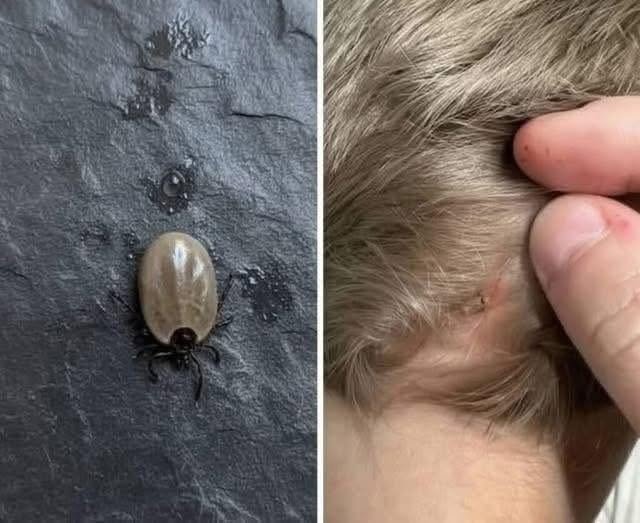
Here’s what you should know if you’ve just discovered a small insect on your child’s head.
Could It Be a Head Louse?
Head lice are tiny, wingless insects that live on the human scalp and feed on small amounts of blood. They are about the size of a sesame seed, making them difficult to spot, especially in thick or dark hair.
Common signs include:
- Persistent itching of the scalp
- A tickling sensation in the hair
- Small white or yellowish eggs (called nits) attached firmly to hair shafts near the scalp
- Tiny moving insects, especially behind the ears or near the nape of the neck
- Small red bumps caused by scratching
Not every child with lice experiences itching immediately, so it’s possible to discover a louse before any symptoms appear.
How Do Children Get Head Lice?
Head lice spread primarily through direct head-to-head contact. They are especially common among school-aged children because they often play closely together.
Less commonly, lice may spread through shared personal items such as:
- Hats
- Hairbrushes
- Combs
- Hair accessories
- Pillows or blankets used immediately after an infested person
Contrary to popular belief, lice do not jump, hop, or fly. They crawl from one person to another.
How to Check the Hair
If you suspect head lice:
- Move to a well-lit area.
- Use a fine-toothed lice comb.
- Part the hair into small sections.
- Carefully inspect behind the ears and around the neckline.
- Look for both live insects and nits attached close to the scalp.
Unlike dandruff, nits are firmly glued to the hair and don’t brush away easily.
What Should You Do If It Is Lice?
If you confirm head lice:
- Follow the instructions on an appropriate over-the-counter or healthcare provider-recommended lice treatment.
- Comb the hair thoroughly with a lice comb every few days to remove lice and nits.
- Wash recently used bedding, hats, towels, and clothing in hot water if appropriate for the fabric.
- Vacuum upholstered furniture and carpets where the child has recently spent time.
- Check other household members for signs of lice.
Avoid using harsh household chemicals or unproven home remedies on the scalp, as they may cause irritation or injury.
Could It Be Another Insect?
Not every insect found in hair is a head louse. Small beetles, ants, gnats, aphids, or other harmless outdoor insects can accidentally land in someone’s hair, especially after playing outside.
If you only found a single insect and there are no signs of itching, nits, or additional bugs, it may simply have wandered into the hair by chance.
When to Seek Medical Advice
Consider contacting a healthcare professional if:
- You’re unsure whether the insect is actually a head louse.
- Treatment doesn’t eliminate the infestation after following directions.
- The scalp becomes swollen, painful, or develops signs of infection from scratching.
- Your child has persistent symptoms despite treatment.
Final Thoughts
Discovering an unfamiliar insect in your child’s hair can be alarming, but there’s no need to panic. Most cases turn out to be manageable, and if it is head lice, effective treatments are widely available. Careful inspection, prompt action, and checking close contacts can usually resolve the problem.
If you have a clear photo of the insect, I’d be happy to help identify it. A close-up image taken in good lighting can often distinguish a head louse from other harmless insects.
Disclaimer: This article is for educational purposes only and is not a substitute for professional medical advice or diagnosis. If you’re concerned about your child’s health or are unable to identify the insect, consult a qualified healthcare professional.