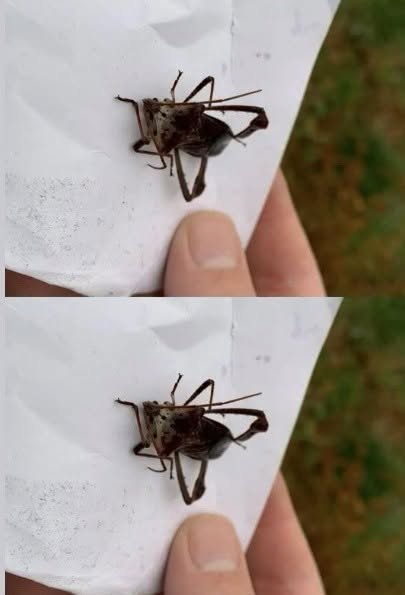
As temperatures rise, so does insect activity. Bees, wasps, hornets, and other stinging insects become much more active during the warmer months, increasing the chances of painful encounters in gardens, parks, hiking trails, and even your own backyard. While most stings cause only mild discomfort, some can lead to serious allergic reactions or infections that require immediate medical attention.
Knowing how to identify common stinging insects, recognize warning signs, and respond quickly can make all the difference.
Common Stinging Insects You’ll See This Summer
Wasps
Wasps are slender insects with smooth bodies and narrow waists. Unlike bees, they can sting multiple times without losing their stinger. They often build paper-like nests under eaves, in trees, or inside sheds.
Bees
Honeybees are important pollinators and generally sting only when they feel threatened. A honeybee usually leaves its stinger behind, which should be removed as soon as possible.
Hornets
Hornets are larger relatives of wasps. Their stings tend to be more painful because they inject a larger amount of venom. They can become aggressive if their nest is disturbed.
Yellowjackets
Yellowjackets are highly aggressive wasps that are attracted to sugary drinks, fruit, and outdoor food. They are responsible for many summertime stings.
What Happens After a Sting?
For most people, a sting causes:
- Immediate sharp pain
- Redness
- Swelling
- Warmth around the sting site
- Itching
These symptoms usually improve within a few hours or days.
When a Sting Can Become Serious
Although uncommon, insect stings can trigger a severe allergic reaction known as anaphylaxis, which is a medical emergency.
Seek emergency medical care immediately if someone develops:
- Difficulty breathing
- Wheezing
- Swelling of the lips, tongue, or throat
- Trouble swallowing
- Severe dizziness or fainting
- Rapid heartbeat
- Widespread hives or rash
- Loss of consciousness
These symptoms can appear within minutes of the sting and require immediate treatment.
Remove the Stinger Quickly
If a honeybee leaves its stinger behind:
- Remove it as soon as possible using a fingernail, the edge of a credit card, or tweezers.
- Avoid squeezing the venom sac if possible, as this may release more venom.
Wasps and hornets generally do not leave their stingers behind.
First Aid for Most Stings
If the reaction is mild:
- Wash the area with soap and water.
- Apply a cold compress for 10–20 minutes to reduce swelling.
- Keep the affected limb elevated if possible.
- Avoid scratching the area.
- Over-the-counter pain relievers or antihistamines may help relieve pain and itching, if appropriate for you.
Watch for Signs of Infection
Sometimes scratching or bacteria entering the skin can lead to an infection.
Contact a healthcare provider if you notice:
- Increasing redness after 24–48 hours
- Pus or drainage
- Fever
- Red streaks spreading from the sting
- Worsening pain instead of improvement
Multiple Stings Can Be Dangerous
Even without an allergy, receiving dozens of stings at once can expose the body to a large amount of venom and may require urgent medical evaluation, especially in children, older adults, or people with underlying health conditions.
How to Reduce Your Risk
Simple precautions can help prevent stings:
- Wear shoes outdoors.
- Avoid brightly colored clothing and strong perfumes.
- Keep food and sugary drinks covered outside.
- Stay calm if a bee or wasp flies near you—swatting may provoke it.
- Check for nests before gardening or trimming shrubs.
- Seal garbage bins tightly.
If You Have a Known Insect Sting Allergy
People with a history of severe allergic reactions should:
- Carry their prescribed epinephrine auto-injector (if recommended by their doctor).
- Inform family and friends about their allergy.
- Seek emergency care after using epinephrine, even if symptoms improve.
Final Thoughts
Most insect stings are painful but harmless and can be treated with basic first aid at home. However, it’s important not to ignore symptoms that suggest a severe allergic reaction or infection. Difficulty breathing, swelling of the face or throat, widespread hives, or fainting are signs of a medical emergency and require immediate treatment.
By knowing how to respond and when to seek medical help, you can enjoy the summer season more safely and confidently.
Disclaimer: This article is for informational purposes only and is not a substitute for professional medical advice. If you experience severe symptoms after an insect sting or have concerns about your reaction, seek prompt medical care.