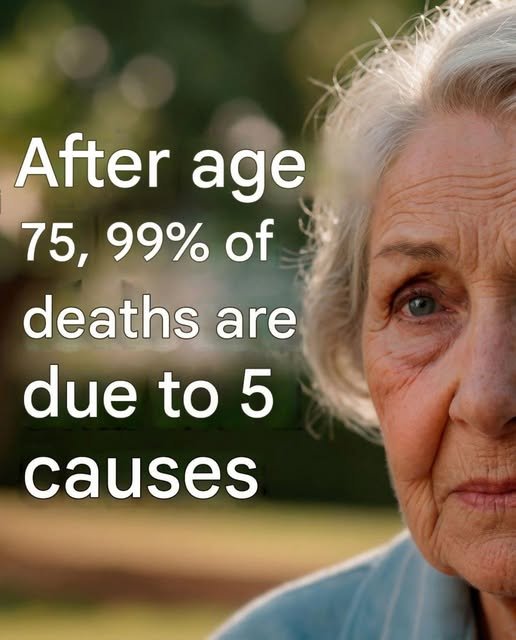
Growing older brings wisdom, experience, and new opportunities to enjoy life. While aging naturally increases the risk of certain health conditions, many of the leading causes of death after age 75 are influenced by lifestyle choices, preventive care, and early treatment. Although no one can eliminate risk entirely, healthy habits can significantly improve both longevity and quality of life.
Here’s a closer look at five of the most common causes of death in older adults and practical steps that may help reduce your risk.
1. Heart Disease
Heart disease remains the leading cause of death among older adults worldwide. It includes conditions such as coronary artery disease, heart failure, and heart attacks.
Common Risk Factors
- High blood pressure
- High cholesterol
- Diabetes
- Smoking
- Obesity
- Physical inactivity
- Family history
Warning Signs
- Chest pain or pressure
- Shortness of breath
- Fatigue
- Swelling in the legs or ankles
- Irregular heartbeat
How to Lower Your Risk
- Eat a heart-healthy diet rich in fruits, vegetables, whole grains, and lean proteins.
- Limit foods high in saturated fat, trans fat, and sodium.
- Stay physically active with exercises approved by your healthcare provider.
- Keep blood pressure, cholesterol, and blood sugar under control.
- Avoid smoking and limit alcohol consumption.
- Attend regular medical checkups.
2. Cancer
The risk of developing many types of cancer increases with age. Common cancers in older adults include lung, colorectal, breast, prostate, and pancreatic cancers.
Possible Warning Signs
- Unexplained weight loss
- Persistent fatigue
- A lump or swelling
- Blood in stool or urine
- Persistent cough
- Changes in bowel habits
How to Lower Your Risk
- Avoid tobacco products.
- Protect your skin from excessive sun exposure.
- Eat plenty of fruits, vegetables, and fiber-rich foods.
- Maintain a healthy weight.
- Stay physically active.
- Participate in recommended cancer screenings based on your age, sex, and personal risk factors.
3. Stroke
A stroke occurs when blood flow to part of the brain is blocked or when a blood vessel bursts.
Risk Factors
- High blood pressure
- Diabetes
- High cholesterol
- Atrial fibrillation
- Smoking
- Obesity
Know the FAST Warning Signs
- Face drooping
- Arm weakness
- Speech difficulty
- Time to call emergency services
Prevention Tips
- Monitor and manage blood pressure.
- Control diabetes and cholesterol.
- Exercise regularly.
- Eat a balanced diet.
- Take prescribed medications as directed.
- Avoid smoking.
4. Chronic Lower Respiratory Diseases
These include conditions such as chronic obstructive pulmonary disease (COPD) and emphysema, which can make breathing increasingly difficult.
Symptoms
- Persistent cough
- Wheezing
- Shortness of breath
- Frequent lung infections
- Fatigue
Prevention
- Never smoke or quit if you currently do.
- Avoid secondhand smoke and air pollution when possible.
- Stay up to date with recommended vaccinations, such as influenza and pneumococcal vaccines.
- Exercise to improve lung function.
- Follow treatment plans if you have chronic lung disease.
5. Alzheimer’s Disease and Other Dementias
The risk of dementia increases significantly with age, although it is not a normal part of aging.
Early Signs
- Memory loss that affects daily life
- Difficulty solving familiar problems
- Confusion about time or place
- Trouble finding words
- Changes in mood or personality
Supporting Brain Health
- Stay mentally active by reading, learning new skills, or solving puzzles.
- Maintain regular physical activity.
- Stay socially connected with family and friends.
- Get adequate sleep.
- Manage blood pressure, diabetes, and hearing or vision problems.
- Eat a balanced diet that supports overall health.
Healthy Habits That Can Make a Difference
While aging cannot be stopped, healthy choices can help reduce the risk of many chronic diseases.
Stay Active
Aim for regular physical activity, including aerobic exercise, strength training, balance exercises, and stretching, as recommended by your healthcare provider.
Eat a Nutritious Diet
Focus on:
- Fruits and vegetables
- Whole grains
- Lean proteins
- Healthy fats such as those found in nuts, seeds, and olive oil
- Adequate hydration
Prioritize Sleep
Most older adults benefit from about 7–8 hours of quality sleep each night.
Keep Up With Preventive Care
Routine health screenings and vaccinations can help detect problems early and prevent serious illness.
Manage Chronic Conditions
If you have high blood pressure, diabetes, or high cholesterol, following your treatment plan can greatly reduce your risk of complications.
Stay Connected
Maintaining strong social relationships and engaging in meaningful activities can support both mental and physical well-being.
The Importance of Regular Checkups
Regular visits with your healthcare provider can help identify health concerns before they become serious. Screening tests, medication reviews, and discussions about lifestyle changes are all important parts of healthy aging.
Final Thoughts
The claim that “99% of deaths after age 75 are due to these five causes” is not accurate. While heart disease, cancer, stroke, chronic respiratory diseases, and Alzheimer’s disease are among the leading causes of death in older adults, they do not account for 99% of deaths. Other conditions—including infections, kidney disease, accidents, and many other illnesses—also contribute.
The encouraging news is that many risk factors for these major diseases can be reduced through healthy eating, regular exercise, avoiding tobacco, managing chronic conditions, staying socially engaged, and receiving appropriate preventive care. Small, consistent lifestyle choices can have a meaningful impact on health and independence in later years.
Disclaimer: This article is for informational purposes only and should not replace professional medical advice. Always consult your healthcare provider regarding your personal health, recommended screenings, and treatment options.