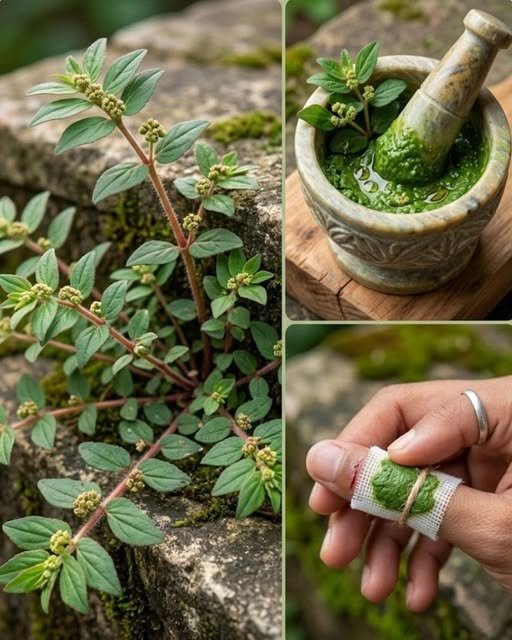
Nature is full of extraordinary plants, but every so often, one stands out for its resilience, beauty, or surprising benefits. If you’ve come across a photo claiming that a particular plant is “one of the most miraculous plants in the world,” you may be wondering whether the claim is true—or just another internet exaggeration.
The answer depends entirely on which plant is being shown. Many plants have earned impressive reputations for their medicinal, nutritional, or environmental value, but no single plant can accurately be described as “miraculous.”
Why Some Plants Are Called “Miracle Plants”
Plants are often given dramatic nicknames because they have been used in traditional medicine for centuries or because they thrive in difficult conditions. While many of these plants contain beneficial compounds, it’s important to separate traditional uses from scientifically proven health benefits.
Some well-known examples include:
Aloe Vera
Often called the “plant of immortality,” aloe vera is widely used to soothe minor burns, moisturize the skin, and support wound healing. The clear gel inside its leaves has been studied for its anti-inflammatory properties.
Moringa
Known as the “drumstick tree” or “miracle tree,” moringa leaves are rich in vitamins, minerals, antioxidants, and plant protein. They are commonly eaten in many parts of Asia and Africa as part of a healthy diet.
Neem
Neem has long been valued in traditional medicine. Extracts from its leaves, bark, and seeds are used in some soaps, toothpastes, shampoos, and natural pest-control products. Research suggests it contains compounds with antimicrobial properties, though many medicinal claims require more evidence.
Holy Basil (Tulsi)
Tulsi is an aromatic herb traditionally used in herbal teas and wellness practices. Early research suggests it may have antioxidant and anti-inflammatory properties, but more high-quality human studies are needed.
Can Plants Really Cure Diseases?
While many plants contain beneficial nutrients and bioactive compounds, no plant should be considered a cure-all.
Scientific studies have shown that some plants may:
- Provide antioxidants.
- Support a healthy immune system.
- Reduce inflammation.
- Supply important vitamins and minerals.
- Contribute to overall wellness as part of a balanced diet.
However, they cannot replace prescribed medications or professional medical treatment for serious illnesses.
How to Identify the Plant in Your Photo
If you’re trying to identify a specific plant from an image, pay attention to features such as:
- Leaf shape and size.
- Flower color and structure.
- Stem texture.
- Growth pattern.
- Fruit or seed pods.
These details help distinguish one species from another.
Be Cautious of Viral Claims
Social media posts often claim that a plant can:
- Cure cancer.
- Reverse diabetes.
- Eliminate arthritis.
- Detox the body.
- Heal dozens of diseases.
These claims are usually unsupported by strong scientific evidence. While many plants are nutritious and may have health-promoting properties, extraordinary health claims should always be viewed with caution.
Final Thoughts
The world is home to thousands of fascinating plants with valuable nutritional, medicinal, and ecological roles. Some, like aloe vera, moringa, and neem, have earned their reputations through centuries of traditional use and ongoing scientific research. Still, there is no single “miracle plant” that can cure every illness or replace modern medical care.
If you want information about the specific plant in your photo, please upload the image. I can help identify it and explain its uses, benefits, and any safety precautions based on its appearance.