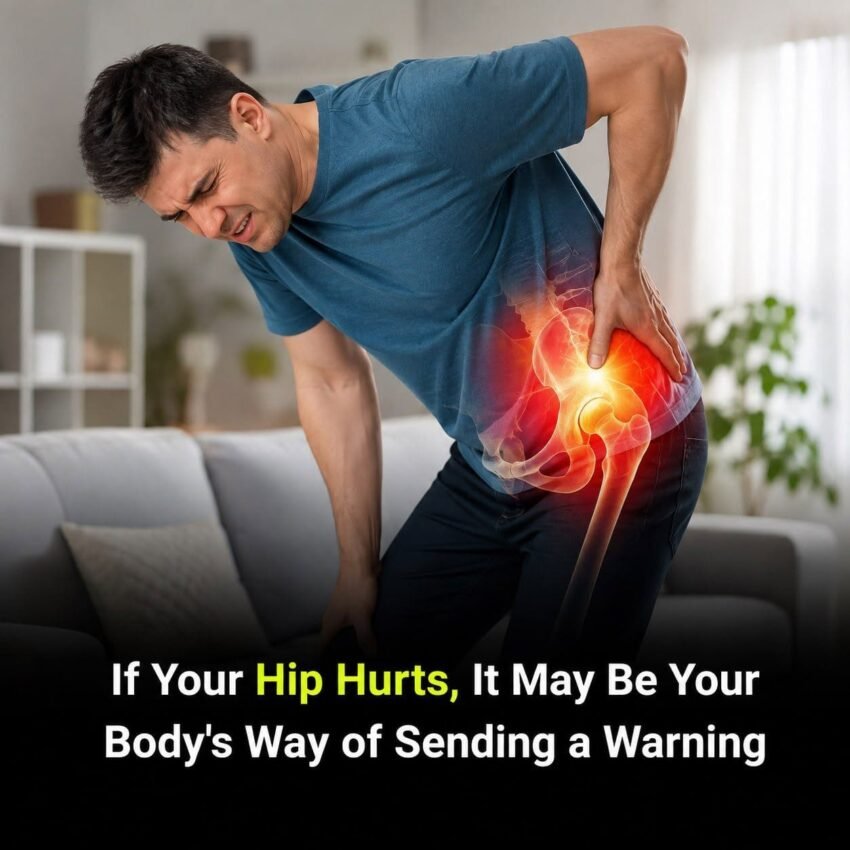
Hip pain is often dismissed as a normal part of getting older, especially after years of walking, exercising, or staying active. While age-related wear and tear can certainly contribute to discomfort, persistent or severe hip pain isn’t something you should simply “learn to live with.” In some cases, it may be a sign of an underlying medical condition that requires evaluation and treatment.
Understanding the possible causes of hip pain—and knowing when to seek medical attention—can help you protect your mobility and maintain a better quality of life.
Is Hip Pain a Normal Part of Aging?
Although joints naturally undergo changes with age, ongoing hip pain is not considered a normal part of healthy aging. Occasional stiffness may be common, but pain that limits your daily activities, disrupts your sleep, or continues for weeks deserves attention.
The hip is one of the body’s largest weight-bearing joints. Because it supports standing, walking, climbing stairs, and balance, problems affecting the hip can significantly impact everyday life.
Common Causes of Hip Pain
1. Osteoarthritis
Osteoarthritis is the most common cause of chronic hip pain in older adults. It occurs when the cartilage that cushions the joint gradually wears away.
Symptoms may include:
- Pain during movement
- Morning stiffness
- Reduced range of motion
- Grinding or clicking sensations
- Difficulty walking long distances
2. Bursitis
Small fluid-filled sacs called bursae reduce friction around the hip joint. When they become inflamed, a condition known as bursitis develops.
Signs include:
- Pain on the outside of the hip
- Tenderness when lying on the affected side
- Increased pain while walking or climbing stairs
3. Muscle or Tendon Strain
Overuse, exercise, heavy lifting, or sudden movements can strain the muscles and tendons surrounding the hip.
Most mild strains improve with rest, gentle stretching, and gradual return to activity.
4. Tendinitis
Inflammation of the tendons around the hip can develop from repetitive movements or overuse.
Pain often worsens during activity and improves with rest.
5. Hip Fracture
Older adults, especially those with osteoporosis, are at higher risk of hip fractures after a fall.
This is a medical emergency requiring immediate evaluation.
Warning Signs You Should Never Ignore
While many causes of hip pain are not emergencies, some symptoms require prompt medical attention.
Seek medical care if you experience:
- Sudden, severe hip pain after a fall or injury
- Inability to stand or bear weight on one leg
- Significant swelling or deformity around the hip
- Fever along with hip pain and redness (possible joint infection)
- Hip pain that wakes you every night
- Numbness or weakness in the leg
- Persistent pain lasting more than a few weeks despite home care
- Unexplained weight loss together with ongoing hip pain
These symptoms could indicate a fracture, infection, inflammatory condition, or another serious medical problem.
Sometimes the Pain Isn’t Coming From the Hip
Pain felt in the hip area may actually originate elsewhere.
Conditions that can mimic hip pain include:
- Sciatica
- Lower back arthritis
- Herniated discs
- Sacroiliac joint dysfunction
- Kidney stones
- Certain gynecological conditions
A healthcare professional can help determine the true source of your symptoms.
How Doctors Diagnose Hip Pain
Your healthcare provider may recommend:
- A physical examination
- Medical history review
- X-rays
- MRI or CT scans if needed
- Blood tests when infection or inflammatory disease is suspected
Early diagnosis often leads to more effective treatment.
Treatment Options
Treatment depends on the underlying cause and may include:
Lifestyle Changes
- Maintaining a healthy weight
- Low-impact exercise such as swimming or cycling
- Improving posture and body mechanics
Physical Therapy
Strengthening the muscles around the hip can improve stability, flexibility, and reduce pain.
Medications
Depending on the cause, your healthcare provider may recommend:
- Acetaminophen
- Nonsteroidal anti-inflammatory drugs (NSAIDs)
- Prescription medications
- Corticosteroid injections in selected cases
Surgery
When severe arthritis or major structural damage significantly limits daily life, hip replacement surgery may be considered.
Tips to Keep Your Hips Healthy
Healthy habits can help reduce the risk of hip problems:
- Stay physically active.
- Stretch regularly.
- Strengthen your leg and core muscles.
- Wear supportive footwear.
- Avoid smoking.
- Eat enough calcium and vitamin D to support bone health.
- Take steps to prevent falls, especially as you age.
The Bottom Line
Hip pain isn’t always “just getting older.” While age-related changes like osteoarthritis are common, persistent or worsening pain should never be ignored. Paying attention to warning signs—especially severe pain after a fall, inability to bear weight, fever, or pain that doesn’t improve—can help identify serious conditions early.
If your hip pain is affecting your mobility, interfering with sleep, or lasting longer than a few weeks, schedule an evaluation with a healthcare professional. Early diagnosis and appropriate treatment can often relieve pain, improve function, and help you stay active for years to come.