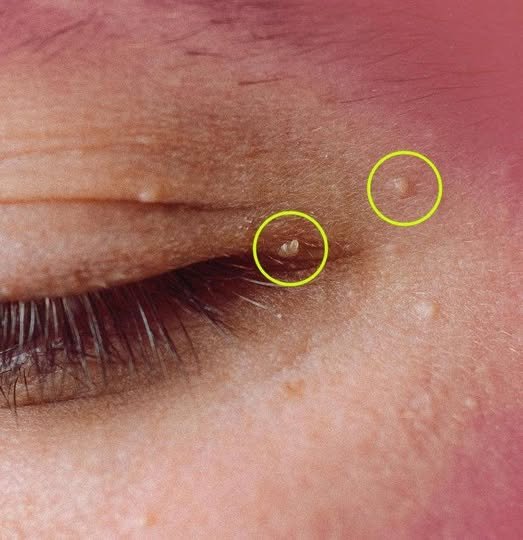
Have you ever noticed tiny white or yellowish bumps on your face that refuse to disappear, no matter how much you cleanse or exfoliate? These stubborn little bumps are often called milia. Although many people mistakenly refer to them as “fat cysts,” milia are not actually cysts filled with fat. Instead, they are small cysts filled with keratin, a protein naturally found in your skin, hair, and nails.
The good news is that milia are harmless, common, and treatable. Here’s everything you need to know about what causes them and how to get rid of them safely.
What Are Milia?
Milia are tiny, firm, white or yellowish bumps that form just beneath the surface of the skin. They usually measure about 1–2 millimeters in diameter and most commonly appear around the:
- Eyes
- Eyelids
- Cheeks
- Nose
- Forehead
- Chin
Unlike acne, milia are not caused by clogged pores, excess oil, or bacteria. They form when dead skin cells become trapped beneath the skin instead of naturally shedding.
What Causes Milia?
Milia can develop in people of all ages, including newborn babies and adults. Common causes include:
1. Trapped Keratin
The most common cause is keratin becoming trapped beneath the skin’s surface, creating a small, hard bump.
2. Skin Damage
Milia may appear after:
- Sunburn
- Blistering injuries
- Laser treatments
- Chemical peels
- Skin resurfacing procedures
These are known as secondary milia.
3. Heavy Skin Care Products
Very rich creams or thick, occlusive products—especially around the delicate eye area—may contribute to milia in some people.
4. Aging
As skin ages, its natural exfoliation process slows, making trapped keratin more likely.
Are Milia Dangerous?
No.
Milia are completely benign and do not become cancerous. They usually don’t itch, hurt, or become inflamed unless they’re irritated by picking or squeezing.
Should You Pop Milia?
No.
Unlike pimples, milia don’t have an opening to the skin’s surface, so squeezing them at home usually doesn’t work.
Attempting to remove them yourself can lead to:
- Skin damage
- Infection
- Bleeding
- Permanent scarring
- Dark spots after healing
How to Get Rid of Milia Safely
1. Be Patient
Some milia, particularly in babies, disappear on their own within a few weeks or months without treatment.
2. Gentle Exfoliation
Regular exfoliation can help prevent new milia from forming.
Look for products containing:
- Alpha hydroxy acids (AHAs)
- Beta hydroxy acids (BHAs)
- Polyhydroxy acids (PHAs)
Avoid over-exfoliating, especially around the eyes.
3. Retinoids
Over-the-counter retinol or prescription retinoids can help speed up skin cell turnover and reduce the likelihood of new milia developing.
Because retinoids may cause irritation, follow the product instructions and use sunscreen during the day.
4. Professional Extraction
A dermatologist can safely remove milia using a sterile needle or specialized extraction tool. The procedure is quick and typically leaves little to no scarring when performed correctly.
5. Chemical Peels
For people who develop milia frequently, a dermatologist may recommend mild chemical peels to improve skin turnover.
Can You Prevent Milia?
While they can’t always be prevented, these habits may reduce your risk:
- Cleanse your face daily with a gentle cleanser.
- Exfoliate regularly but gently.
- Avoid picking at your skin.
- Choose non-comedogenic skincare products.
- Wear sunscreen every day to protect against sun damage.
- Avoid using very heavy creams if they seem to trigger milia.
When to See a Dermatologist
Schedule an appointment if:
- Milia persist for several months.
- They become numerous or spread.
- You’re unsure whether the bumps are actually milia.
- They affect your confidence or bother you cosmetically.
- The bumps become painful, inflamed, or start bleeding.
A dermatologist can confirm the diagnosis and recommend the most appropriate treatment.
Common Myths About Milia
Myth: Milia are caused by poor hygiene.
Fact: They can occur even in people with excellent skincare habits.
Myth: Milia are tiny pimples.
Fact: They are keratin-filled cysts, not acne.
Myth: Toothpaste or home remedies will remove them.
Fact: There is no scientific evidence that toothpaste, lemon juice, or other DIY treatments safely eliminate milia and they may irritate the skin.
The Bottom Line
Milia are small, harmless keratin-filled cysts that commonly appear around the eyes and face. Although they can be frustrating, they are not caused by poor hygiene and should never be squeezed at home. Gentle exfoliation, retinoids, and professional extraction are among the safest and most effective ways to manage them. If the bumps persist or you’re uncertain about the diagnosis, consult a dermatologist for proper evaluation and treatment.