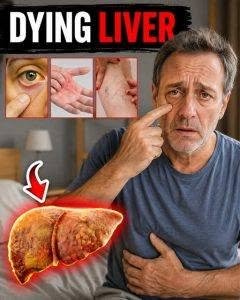
Your liver is one of the hardest-working organs in your body. It filters toxins, processes nutrients, stores energy, produces bile for digestion, and helps regulate blood clotting. Because it performs so many vital functions, liver damage can have serious consequences if left untreated.
The tricky part is that liver disease often develops silently. Many people don’t notice symptoms until the condition has progressed. However, your body may give subtle warning signs that your liver needs attention.
Here are 12 unusual signs that could indicate liver problems—and when it’s time to seek medical care.
1. Persistent Fatigue
Feeling tired after a long day is normal, but constant exhaustion that doesn’t improve with rest can be an early symptom of liver disease.
A struggling liver may affect metabolism and increase inflammation, leaving you feeling drained throughout the day.
See a healthcare provider if:
- Fatigue lasts for weeks.
- It interferes with daily activities.
- It’s accompanied by other symptoms on this list.
2. Yellow Skin or Eyes (Jaundice)
One of the most recognizable signs of liver disease is jaundice.
When the liver can’t properly process bilirubin, this yellow pigment builds up in the bloodstream, causing the skin and whites of the eyes to turn yellow.
This symptom requires prompt medical evaluation.
3. Itchy Skin Without a Rash
Unexplained itching all over the body can sometimes be linked to liver disease.
This may happen when bile salts accumulate beneath the skin due to impaired bile flow.
The itching is often:
- Worse at night
- Persistent
- Not accompanied by a visible rash
4. Dark Urine
Urine that appears dark amber or brown—even when you’re well hydrated—may indicate excess bilirubin in the urine.
While dehydration can also darken urine, persistent changes should be evaluated.
5. Pale or Clay-Colored Stools
Healthy bile gives stool its normal brown color.
If bile cannot reach the intestines because of liver disease or blocked bile ducts, stools may become:
- Pale
- Gray
- Clay-colored
This warrants medical attention, especially if it persists.
6. Swelling in the Legs or Abdomen
Advanced liver disease may cause fluid buildup.
Common signs include:
- Swollen ankles
- Puffy feet
- Enlarged abdomen (ascites)
- Rapid weight gain from fluid retention
7. Easy Bruising or Bleeding
Your liver produces proteins needed for blood clotting.
When liver function declines, you may notice:
- Frequent bruises
- Nosebleeds
- Bleeding gums
- Cuts that bleed longer than usual
8. Confusion or Memory Problems
In advanced liver disease, toxins such as ammonia can build up in the bloodstream and affect the brain.
Symptoms may include:
- Difficulty concentrating
- Forgetfulness
- Mood changes
- Confusion
- Sleep disturbances
This condition requires immediate medical assessment.
9. Loss of Appetite and Unexplained Weight Loss
A damaged liver can affect digestion and metabolism.
Many people experience:
- Reduced appetite
- Feeling full quickly
- Unintentional weight loss
- Nausea
Persistent symptoms should be discussed with a healthcare professional.
10. Pain or Discomfort in the Upper Right Abdomen
The liver sits beneath the ribs on the right side.
Pain in this area may feel:
- Dull
- Aching
- Pressure-like
- Occasionally sharp
Although many conditions can cause abdominal pain, persistent right upper abdominal discomfort deserves evaluation.
11. Spider-Like Blood Vessels on the Skin
Tiny red blood vessels that spread outward like a spider’s legs—called spider angiomas—can appear on the:
- Face
- Neck
- Chest
- Shoulders
These may occur in healthy individuals, but multiple new lesions can sometimes be associated with chronic liver disease.
12. Persistent Nausea or Digestive Problems
Ongoing digestive symptoms may occur when the liver isn’t functioning properly.
Possible symptoms include:
- Nausea
- Vomiting
- Bloating
- Indigestion
- Feeling sick after fatty meals
Because these symptoms are common to many conditions, they should be interpreted alongside other warning signs.
Common Causes of Liver Damage
Several conditions can harm the liver over time, including:
- Excessive alcohol use
- Viral hepatitis (hepatitis B and C)
- Nonalcoholic fatty liver disease (NAFLD)
- Certain medications and supplements
- Obesity and type 2 diabetes
- Autoimmune liver diseases
- Genetic disorders
How to Support Liver Health
While not all liver diseases are preventable, you can reduce your risk by:
- Maintaining a healthy weight.
- Eating a balanced diet rich in fruits, vegetables, whole grains, and lean proteins.
- Limiting alcohol intake.
- Exercising regularly.
- Taking medications only as directed.
- Getting vaccinated against hepatitis A and B if recommended.
- Managing diabetes, high cholesterol, and blood pressure.
When to Seek Immediate Medical Care
Seek urgent medical attention if you experience:
- Yellowing of the skin or eyes.
- Severe abdominal pain.
- Vomiting blood or passing black, tarry stools.
- Confusion, extreme drowsiness, or difficulty staying awake.
- Rapid swelling of the abdomen.
- High fever with jaundice.
These symptoms may indicate a serious liver condition requiring prompt treatment.
Final Thoughts
Many liver diseases can be treated more effectively when they’re detected early. While symptoms like fatigue, itching, or digestive discomfort often have harmless explanations, persistent or worsening symptoms—especially when several occur together—should not be ignored.
If you’re concerned about your liver health, schedule an evaluation with a healthcare professional. They may recommend blood tests, imaging, or other assessments to determine the cause and guide appropriate treatment. Early diagnosis can make a significant difference in protecting your liver and overall health.