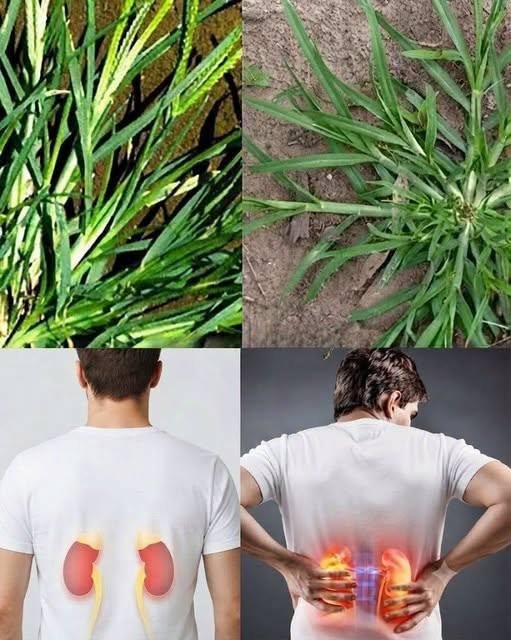
Goosegrass (Galium aparine), also known as cleavers, sticky weed, or catchweed, is a wild herb that has been used in traditional herbal practices for centuries. Often dismissed as a common garden weed, this climbing plant has attracted interest for its historical use in supporting general wellness.
While modern scientific research is still limited, goosegrass remains a popular herb among herbal enthusiasts for its potential health-supporting properties.
What Is Goosegrass?
Goosegrass is an annual plant recognized by its slender stems and tiny hooked hairs that allow it to cling to clothing, animal fur, and surrounding vegetation. It grows abundantly in fields, gardens, forests, and roadsides throughout many parts of the world.
Traditionally, the aerial parts of the plant are harvested during the growing season and used fresh or dried in teas, tinctures, and herbal preparations.
Traditional Uses of Goosegrass
Throughout history, goosegrass has been used in traditional medicine for a variety of purposes, including:
- Supporting normal lymphatic function
- Promoting healthy urinary function
- Encouraging natural detoxification processes
- Soothing minor skin irritations when applied externally
- Supporting overall hydration and wellness
These traditional uses are based on historical herbal practices and are not the same as proven medical treatments.
Nutritional Components
Goosegrass contains several naturally occurring plant compounds, including:
- Flavonoids
- Phenolic compounds
- Tannins
- Chlorophyll
- Small amounts of vitamin C and minerals
Researchers continue to study these compounds to better understand their biological activity.
Potential Benefits Being Studied
Although more high-quality human research is needed, preliminary laboratory and animal studies suggest goosegrass may have:
- Antioxidant activity
- Mild anti-inflammatory properties
- Mild diuretic effects
- Antimicrobial activity against certain microorganisms
These findings are promising but do not prove that goosegrass can prevent or treat diseases in humans.
Common Ways It’s Used
People who use goosegrass in traditional herbal practices often prepare it as:
- Herbal tea
- Fresh juice
- Tincture
- Dried herbal infusion
- Compresses or poultices for external use
Always ensure the plant is correctly identified and harvested from areas free of pesticides and pollution.
Safety Considerations
Goosegrass is generally considered to have a history of traditional use, but it may not be appropriate for everyone.
You should speak with a healthcare professional before using goosegrass if you:
- Are pregnant or breastfeeding
- Have kidney disease
- Take diuretic medications
- Take medications that affect fluid or electrolyte balance
- Have allergies to related plants
Natural herbs can interact with medications and are not risk-free simply because they are plant-based.
Final Thoughts
Goosegrass is a fascinating wild herb with a long history in traditional herbal medicine. While its traditional uses and naturally occurring compounds make it an interesting subject of ongoing research, current scientific evidence is not sufficient to conclude that it can treat or cure specific medical conditions. Used thoughtfully and alongside evidence-based healthcare, goosegrass serves as an example of how common wild plants can inspire continued scientific exploration.