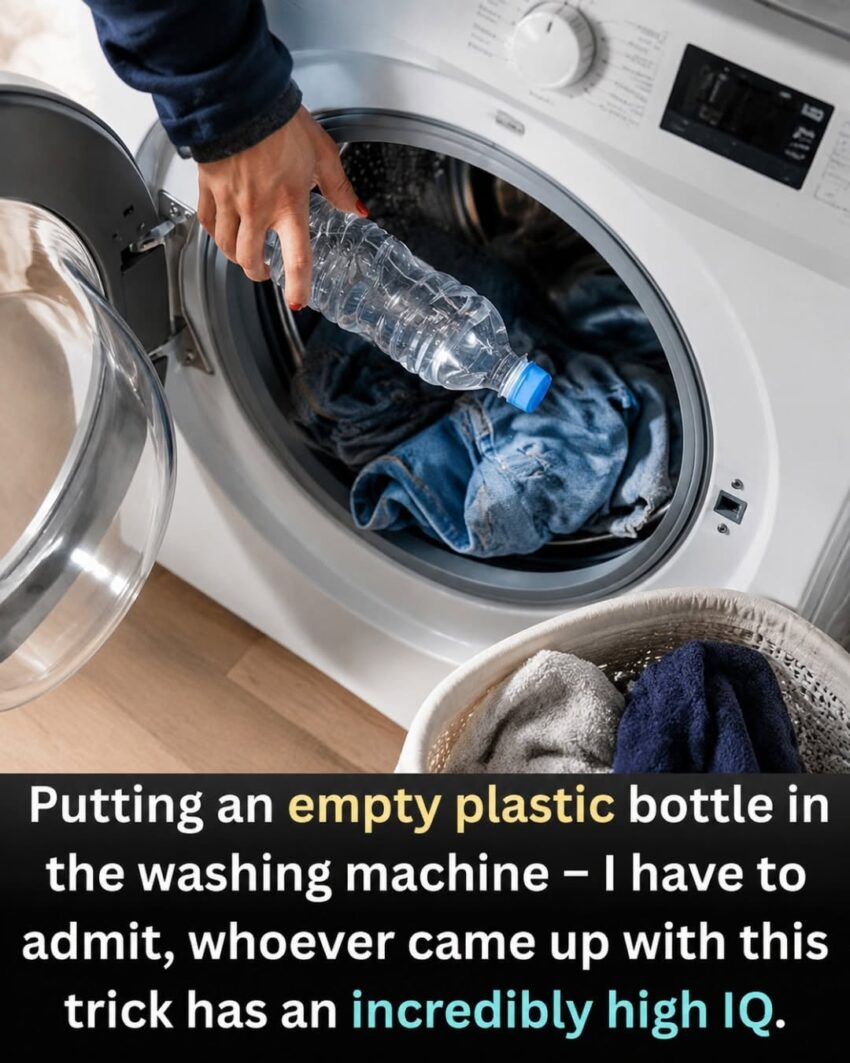
Every day, millions of plastic bottles are thrown into household bins without a second thought. While it may seem like a small act, the way you dispose of a single plastic bottle can have a lasting impact on the environment. Plastic pollution is one of the biggest environmental challenges of our time, affecting oceans, wildlife, and even human health.
The good news is that one simple habit—recycling your plastic bottles—can make a significant difference. In this article, you’ll discover what happens to plastic bottles after they’re thrown away, why recycling is so important, and how you can help reduce plastic waste.
Table of Contents
- What Happens to a Plastic Bottle After You Throw It Away?
- Why Plastic Bottles Are a Global Problem
- The Benefits of Recycling Plastic Bottles
- What Plastic Bottles Can Be Turned Into
- How to Recycle Plastic Bottles Properly
- Easy Ways to Reduce Plastic Waste
- Frequently Asked Questions
- Final Thoughts
What Happens to a Plastic Bottle After You Throw It Away?
When a plastic bottle is tossed into a regular trash bin, it usually ends up in a landfill or is incinerated. Since plastic does not decompose naturally, it can remain in the environment for hundreds of years.
If the bottle is placed in a recycling bin instead, it follows a very different journey:
- It is collected by a recycling facility.
- It is sorted by plastic type.
- It is cleaned to remove labels and residue.
- It is shredded into small plastic flakes.
- The flakes are melted and transformed into new products.
This process saves raw materials, reduces pollution, and keeps plastic out of the environment.
Why Plastic Bottles Are a Global Problem
Plastic bottles are lightweight and convenient, but they create enormous environmental problems when not disposed of properly.
Landfill Overflow
Millions of plastic bottles end up in landfills every day. Since they break down extremely slowly, they occupy valuable space for generations.
Ocean Pollution
Many bottles eventually make their way into rivers and oceans, where they threaten marine life. Fish, turtles, seabirds, and other animals often mistake plastic for food.
Microplastics
As plastic slowly breaks apart, it becomes tiny particles called microplastics. These particles have been found in water, soil, food, and even the air we breathe.
Carbon Emissions
Producing new plastic from fossil fuels requires large amounts of energy and contributes to greenhouse gas emissions.
The Benefits of Recycling Plastic Bottles
Conserves Natural Resources
Recycling reduces the need for new raw materials and helps preserve natural resources.
Saves Energy
Manufacturing products from recycled plastic typically requires less energy than producing new plastic from scratch.
Reduces Pollution
Recycling helps decrease air, water, and land pollution by keeping waste out of landfills and reducing demand for virgin plastic.
Protects Wildlife
Proper disposal prevents plastic bottles from entering ecosystems where they can harm animals.
Supports the Circular Economy
Instead of being discarded after one use, plastic can be reused to create valuable new products.
What Plastic Bottles Can Be Turned Into
Many people are surprised to learn that recycled plastic bottles can become:
- New plastic bottles
- Clothing made from polyester fibers
- Carpets
- Outdoor furniture
- Backpacks
- Shoes
- Packaging materials
- Construction products
- Reusable containers
Recycling gives plastic a second life instead of allowing it to become waste.
How to Recycle Plastic Bottles Properly
Follow these simple steps:
1. Empty the Bottle
Remove any remaining liquid.
2. Rinse It
A quick rinse helps reduce contamination.
3. Replace the Cap (If Accepted Locally)
Some recycling programs accept caps attached to bottles, while others prefer them removed. Check your local guidelines.
4. Flatten the Bottle
Flattening bottles can save space during transportation.
5. Place It in the Correct Recycling Bin
Avoid mixing recyclable plastics with food waste or other contaminants.
Easy Ways to Reduce Plastic Waste
In addition to recycling, you can reduce your plastic footprint by:
- Carrying a reusable water bottle.
- Choosing refillable containers.
- Avoiding single-use plastics whenever possible.
- Buying products with minimal packaging.
- Supporting brands that use recycled materials.
- Recycling consistently at home, school, and work.
Small daily habits can make a meaningful difference over time.
Common Recycling Mistakes
Many recyclable bottles are rejected because of simple mistakes:
- Throwing bottles away with liquid still inside.
- Mixing recyclables with food waste.
- Placing non-recyclable plastics in recycling bins.
- Ignoring local recycling rules.
Taking a few extra seconds to recycle correctly increases the chances that the material will actually be reused.
Frequently Asked Questions
How long does a plastic bottle take to decompose?
A typical plastic bottle can take around 450 years or more to break down in the environment.
Can plastic bottles be recycled more than once?
Yes, although plastic quality can decrease after repeated recycling, many bottles can be recycled multiple times into different products.
Is every plastic bottle recyclable?
Most beverage bottles made from PET (#1) are widely recyclable, but recycling programs vary by location. Always check your local recycling guidelines.
Does recycling really make a difference?
Absolutely. Recycling helps conserve resources, reduce pollution, save energy, and keep plastic waste out of landfills and oceans.
Final Thoughts
The plastic bottle sitting in your bin may seem insignificant, but the choice you make with it matters. Recycling is one of the easiest actions individuals can take to reduce waste, conserve resources, and protect the environment for future generations.
Every bottle recycled is one less bottle polluting landfills, rivers, and oceans. By making recycling part of your daily routine and encouraging others to do the same, you contribute to a cleaner, healthier planet.