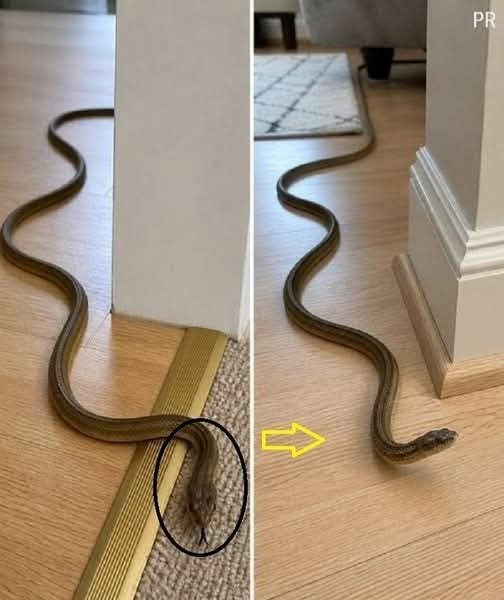
Finding a snake inside your home can be alarming, but it doesn’t necessarily mean your house is infested or that the snake is dangerous. In most cases, snakes enter homes accidentally while searching for food, water, shelter, or a way to escape extreme weather.
Knowing why a snake may have entered—and how to respond safely—can help protect both you and the animal.
Why Do Snakes Enter Homes?
Snakes usually don’t seek out people. They are more likely to enter a house because of one or more of the following reasons:
1. Searching for Food
If your home has mice, rats, lizards, frogs, or insects, it may attract snakes looking for an easy meal.
2. Looking for Shelter
Garages, basements, crawl spaces, and storage rooms provide cool, dark hiding places where snakes may rest.
3. Escaping Extreme Weather
During very hot, cold, or rainy conditions, snakes sometimes seek temporary shelter indoors.
4. Easy Entry Points
Small gaps under doors, damaged window screens, foundation cracks, or openings around pipes can provide access.
What Should You Do If You Find a Snake?
Stay calm and follow these safety steps:
- Keep a safe distance from the snake.
- Keep children and pets away from the area.
- Do not try to catch, corner, or kill the snake.
- Close the room door if possible to limit where it can move.
- If it is safe to do so, open an exterior door or window and allow the snake an escape route.
- Contact your local wildlife or animal control service if the snake does not leave or if you cannot identify it.
What You Should Never Do
Avoid these common mistakes:
- Don’t attempt to handle the snake with your bare hands.
- Don’t strike it with tools or objects.
- Don’t pour chemicals, gasoline, or other substances on it.
- Don’t assume it’s harmless because it’s small or slow-moving.
Even nonvenomous snakes may bite if they feel threatened.
How to Prevent Snakes from Entering Your Home
Reducing attractive hiding places and sealing entry points can help lower the chances of snakes entering.
Consider these preventive measures:
- Seal cracks around doors, windows, pipes, and foundations.
- Install door sweeps on exterior doors.
- Keep grass trimmed and remove piles of wood, rocks, or debris near your home.
- Control rodents, which are a major food source for snakes.
- Store pet food in sealed containers and clean up spilled food promptly.
- Keep garages and sheds organized to reduce hiding places.
If Someone Is Bitten
Most snakebites are not fatal, but every bite should be taken seriously.
If a bite occurs:
- Move away from the snake.
- Keep the bitten person as calm and still as possible.
- Remove rings or tight jewelry before swelling begins.
- Seek immediate medical attention, especially if the snake may be venomous.
- Do not cut the wound, suck out the venom, or apply a tourniquet.
If it can be done safely, take a photo of the snake from a distance to help with identification. Never try to capture it.
Final Thoughts
Discovering a snake inside your home can be unsettling, but staying calm is the safest response. Most snakes are simply passing through in search of food or shelter and will avoid people whenever possible. By keeping your home well-maintained, sealing entry points, and contacting wildlife professionals when needed, you can handle the situation safely while protecting both your family and local wildlife.