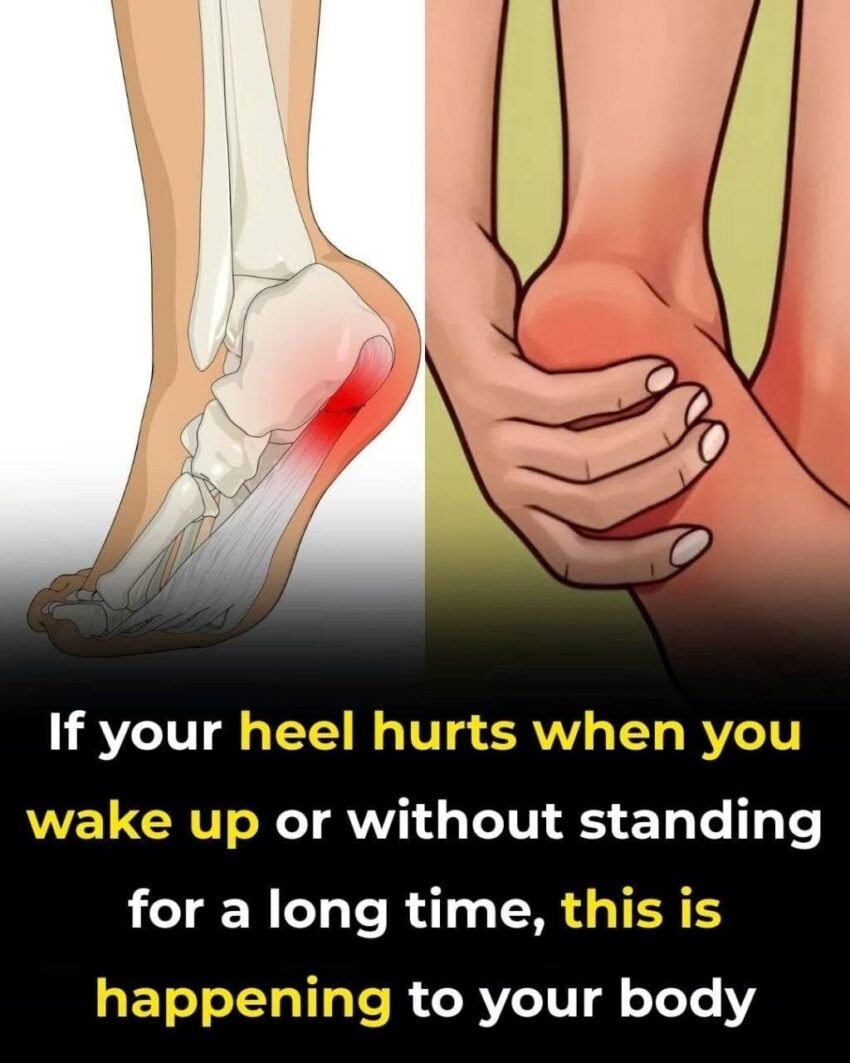
Many people experience a sharp pain in the heel when they take their first steps in the morning or after sitting for a long time. This symptom is often caused by plantar fasciitis, one of the most common causes of heel pain. While it can be uncomfortable, the condition usually improves with proper treatment and self-care.
What Is Plantar Fasciitis?
The plantar fascia is a thick, strong band of connective tissue that runs along the bottom of your foot. It connects your heel bone (calcaneus) to your toes and helps support your foot’s arch while absorbing shock during walking and running.
When this tissue becomes irritated or develops tiny tears due to repeated stress, it becomes inflamed—a condition known as plantar fasciitis.
Why Does Heel Pain Hurt Most in the Morning?
This is one of the hallmark signs of plantar fasciitis.
While you sleep or rest:
- The plantar fascia tightens and shortens.
- Small tears begin to heal.
When you stand up and take your first steps:
- The tissue suddenly stretches.
- The healing fibers are pulled apart again.
- This causes sharp, stabbing pain near the heel.
As you continue walking, the tissue warms up and becomes more flexible, so the pain often decreases. However, it may return after long periods of standing, walking, or exercise.
Common Symptoms
Symptoms may include:
- Sharp pain at the bottom of the heel.
- Pain during the first steps after waking up.
- Pain after sitting for long periods.
- Tenderness when pressing on the heel.
- Pain that improves with movement but returns later.
- Stiffness in the foot, especially in the morning.
Who Is Most at Risk?
Several factors increase the risk of plantar fasciitis:
- Age between 40 and 60 years.
- Being overweight or obese.
- Jobs that require standing for many hours.
- Running or high-impact sports.
- Wearing shoes with poor arch support.
- Flat feet or very high arches.
- Tight calf muscles or Achilles tendon.
Other Conditions That Can Cause Heel Pain
Not all heel pain is plantar fasciitis. Other possible causes include:
Achilles Tendinitis
Pain occurs at the back of the heel where the Achilles tendon attaches.
Heel Spur
A bony growth on the heel bone. Many people have heel spurs without any pain.
Stress Fracture
Tiny cracks in the heel bone caused by repeated impact.
Bursitis
Inflammation of the fluid-filled sacs that cushion the heel.
Tarsal Tunnel Syndrome
Compression of a nerve near the ankle can cause burning or tingling heel pain.
Arthritis
Inflammatory arthritis can sometimes affect the heel.
How Is It Diagnosed?
Doctors usually diagnose plantar fasciitis through:
- Medical history.
- Physical examination.
- Checking where the pain is located.
- Stretching and movement tests.
Imaging tests such as X-rays or ultrasound may be recommended if another condition is suspected.
Home Treatments That Often Help
Most people improve without surgery.
Stretching Exercises
Stretch your:
- Calf muscles
- Achilles tendon
- Plantar fascia
Gentle stretching before getting out of bed can reduce morning pain.
Ice Therapy
Apply an ice pack for 15–20 minutes several times a day, especially after activity.
Supportive Footwear
Wear shoes with:
- Good arch support
- Cushioned heels
- Firm soles
Avoid walking barefoot on hard floors.
Rest
Reduce activities that worsen the pain, such as prolonged running or standing.
Weight Management
If overweight, gradual weight loss reduces pressure on the plantar fascia.
Over-the-Counter Pain Relievers
Nonsteroidal anti-inflammatory drugs (NSAIDs), such as ibuprofen or naproxen, may temporarily relieve pain for some people. They should only be used according to the label or your healthcare provider’s advice.
Medical Treatments
If symptoms continue after several weeks or months, a doctor may recommend:
- Physical therapy
- Custom orthotics
- Night splints
- Corticosteroid injections (used cautiously)
- Extracorporeal shockwave therapy
- Surgery (rarely needed and only for severe, persistent cases)
When Should You See a Doctor?
Seek medical care if:
- Heel pain lasts longer than 2–4 weeks despite home treatment.
- You cannot bear weight on the foot.
- The heel becomes swollen, red, or warm.
- You experience numbness or tingling.
- Pain follows a serious injury.
- You have fever along with heel pain.
Can Plantar Fasciitis Be Prevented?
You can lower your risk by:
- Maintaining a healthy weight.
- Wearing supportive shoes.
- Replacing worn-out athletic shoes regularly.
- Stretching before exercise.
- Increasing exercise intensity gradually.
- Avoiding prolonged standing whenever possible.
The Bottom Line
Pain in the heel when you first wake up or after sitting for a long time is commonly caused by plantar fasciitis, an inflammation of the plantar fascia. Although the pain can be intense, most people recover with conservative treatments such as stretching, supportive footwear, rest, ice, and physical therapy. Persistent, severe, or worsening heel pain should be evaluated by a healthcare professional to rule out other conditions and determine the most appropriate treatment.