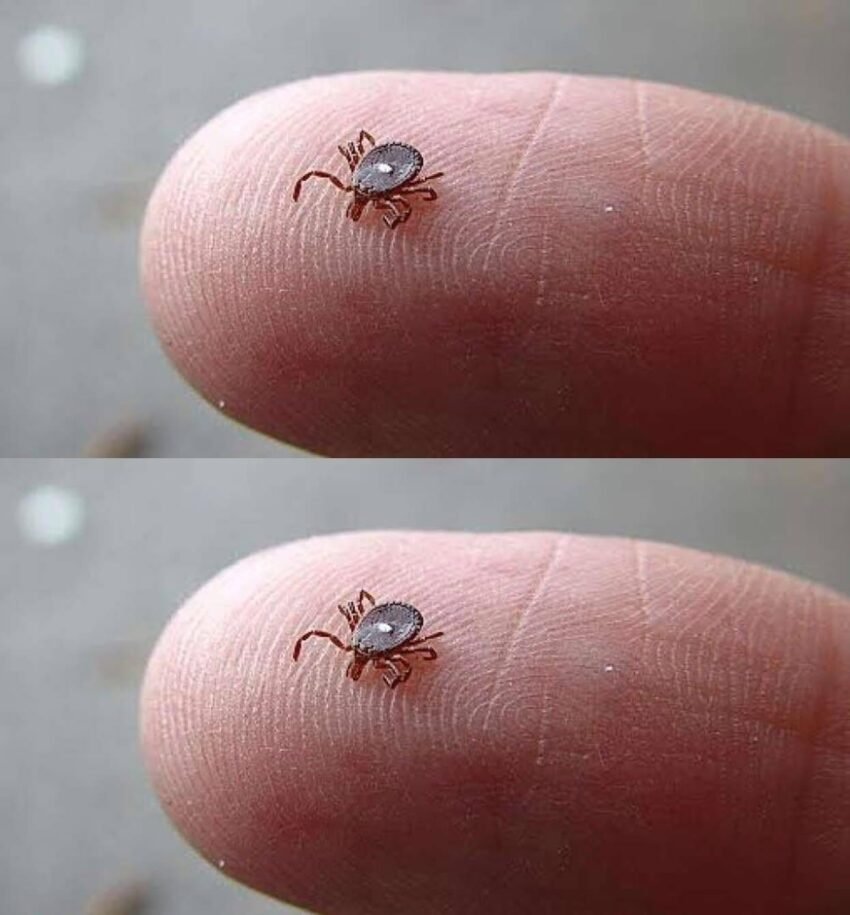
The Lone Star tick (Amblyomma americanum) is a common tick found in many parts of the United States. Recognizable by the single white or silver spot on the back of adult females, this tick can transmit several diseases and has been linked to Alpha-gal syndrome, a condition that can cause an allergic reaction to red meat after a tick bite.
If you find a Lone Star tick on yourself, a family member, or a pet, it’s important to act quickly and correctly.
How to Identify a Lone Star Tick
Adult female Lone Star ticks have a distinctive white dot in the center of their backs, making them easy to recognize. Adult males have scattered white markings around the edges, while immature ticks are much smaller and harder to identify.
Ticks are commonly found in:
- Wooded areas
- Tall grass
- Brushy trails
- Parks
- Gardens
- Areas with deer and other wildlife
What to Do If a Tick Is Attached
If you discover a tick attached to your skin:
1. Remove It Promptly
Use fine-tipped tweezers to grasp the tick as close to your skin as possible.
Pull upward with steady, even pressure. Avoid twisting or jerking the tick, as this may cause parts of its mouth to remain in the skin.
2. Clean the Bite Area
After removing the tick:
- Wash the bite area with soap and water.
- Clean your hands thoroughly.
- You may also disinfect the area with rubbing alcohol.
3. Dispose of the Tick Safely
Never crush a tick with your fingers.
Instead:
- Place it in a sealed bag or container.
- Wrap it tightly in tape.
- Flush it down the toilet.
- Or preserve it in alcohol if your healthcare provider recommends identification.
Monitor for Symptoms
Most tick bites do not cause illness, but it’s important to watch for symptoms over the next several weeks.
Seek medical advice if you develop:
- Fever
- Chills
- Headache
- Muscle aches
- Fatigue
- Rash
- Swollen lymph nodes
Also pay attention to any unusual allergic reactions after eating beef, pork, lamb, or other mammalian meat, as this could be a sign of Alpha-gal syndrome.
Diseases Associated with Lone Star Ticks
Lone Star ticks have been linked to several illnesses, including:
- Ehrlichiosis
- Tularemia
- Southern Tick-Associated Rash Illness (STARI)
- Heartland virus disease (rare)
- Bourbon virus disease (rare)
- Alpha-gal syndrome (red meat allergy)
Not every Lone Star tick carries disease, and not every bite leads to infection.
How to Prevent Tick Bites
The best protection is prevention.
When spending time outdoors:
- Wear long sleeves and long pants.
- Tuck pants into your socks.
- Use an EPA-registered insect repellent containing DEET, picaridin, IR3535, oil of lemon eucalyptus, or 2-undecanone.
- Treat clothing and gear with permethrin when appropriate.
- Stay in the center of trails and avoid brushing against tall vegetation.
- Perform a full-body tick check after outdoor activities.
- Shower within two hours of coming indoors when possible.
Don’t forget to check children and pets, as ticks often hitch a ride indoors.
When to See a Doctor
Contact a healthcare provider if:
- You cannot remove the entire tick.
- The bite becomes increasingly red, swollen, or painful.
- You develop a rash or flu-like symptoms within days or weeks of the bite.
- You experience trouble breathing, hives, or swelling after eating red meat following a tick bite.
- You have concerns about possible tick-borne illness.
Early diagnosis and treatment can greatly improve outcomes for many tick-borne diseases.
Final Thoughts
Finding a Lone Star tick can be unsettling, but prompt removal and careful monitoring are the most important steps. Most tick bites do not result in illness, but staying alert for symptoms and practicing good tick prevention can significantly reduce your risk.
Whenever you spend time outdoors in tick-prone areas, take simple precautions to protect yourself, your family, and your pets from tick bites and the diseases they may carry.