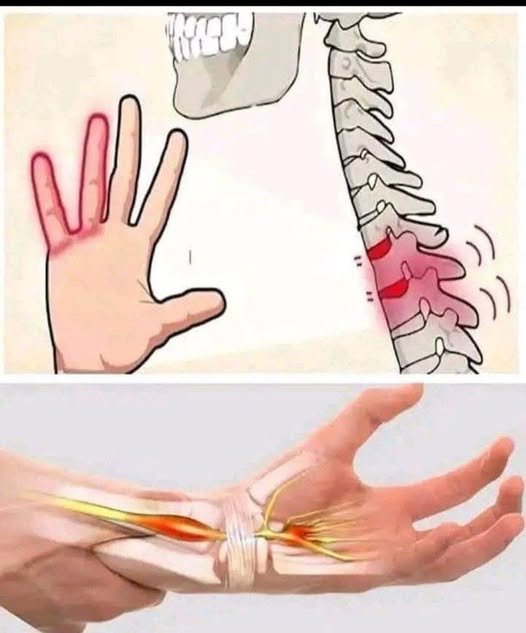
What Is Paresthesia?
Paresthesia is an abnormal sensation that may include:
- Tingling or pins-and-needles
- Numbness
- Burning
- Crawling or prickling feelings
- Reduced sensation
- Temporary weakness
It can affect one or both hands and may last from a few seconds to several minutes. In some cases, the symptoms become persistent.
Why Does Hand Numbness Happen at Night?
Nighttime numbness often occurs because your sleeping position places prolonged pressure on a nerve or reduces blood flow temporarily.
However, repeated numbness can also be linked to medical conditions affecting the nerves, spine, or circulation.
Common Causes of Nighttime Hand Numbness
1. Sleeping Position
One of the most common causes is sleeping with your wrist bent or your arm tucked underneath your body.
This can compress nerves and temporarily interrupt normal nerve function.
Symptoms usually disappear within a few minutes after changing position.
2. Carpal Tunnel Syndrome
Carpal tunnel syndrome develops when the median nerve is compressed as it passes through the wrist.
Common symptoms include:
- Numbness in the thumb, index, middle, and part of the ring finger
- Tingling that worsens at night
- Hand weakness
- Difficulty gripping objects
People who spend long hours typing, sewing, using vibrating tools, or performing repetitive hand movements are at greater risk.
3. Cubital Tunnel Syndrome
This condition occurs when the ulnar nerve is compressed at the elbow.
Symptoms include:
- Numbness in the little finger and ring finger
- Tingling while sleeping with bent elbows
- Weak grip strength
- Hand clumsiness
4. Cervical Radiculopathy
Problems affecting the neck, such as a herniated disc or arthritis, can compress nerves that travel into the arms.
Symptoms may include:
- Neck pain
- Shoulder pain
- Arm numbness
- Tingling extending into the fingers
- Muscle weakness
5. Diabetes
High blood sugar over time can damage peripheral nerves, a condition called diabetic neuropathy.
Although it often starts in the feet, it can also affect the hands.
Symptoms include:
- Burning pain
- Tingling
- Numbness
- Reduced sensitivity
6. Vitamin B12 Deficiency
Vitamin B12 is essential for healthy nerve function.
A deficiency may cause:
- Hand numbness
- Tingling
- Balance problems
- Fatigue
- Memory difficulties
Older adults, vegetarians, vegans, and people with digestive disorders may have a higher risk of deficiency.
7. Poor Circulation
Reduced blood flow may temporarily decrease oxygen delivery to nerves.
Possible causes include:
- Cold temperatures
- Blood vessel disorders
- Smoking
- Certain cardiovascular conditions
8. Pregnancy
Fluid retention during pregnancy can increase pressure inside the wrist, leading to temporary carpal tunnel syndrome.
Symptoms often improve after delivery.
9. Arthritis
Inflamed joints in the wrist or neck can place pressure on nearby nerves, causing nighttime tingling or numbness.
10. Certain Medications
Some medications may contribute to nerve problems, including certain chemotherapy drugs and other medications known to affect peripheral nerves. If you suspect a medication is contributing to your symptoms, consult your healthcare provider before making any changes.
Risk Factors
You may be more likely to experience nighttime hand numbness if you:
- Perform repetitive hand movements
- Spend many hours using a computer
- Have diabetes
- Have thyroid disease
- Have arthritis
- Are pregnant
- Smoke
- Have obesity
- Have vitamin deficiencies
When Should You See a Doctor?
Occasional numbness that quickly resolves is usually not serious.
Seek medical evaluation if:
- Numbness occurs frequently
- Symptoms last longer than a few minutes after changing position
- You experience muscle weakness
- You frequently drop objects
- Pain becomes severe
- Symptoms spread up the arm
- You develop neck pain with arm numbness
- Both hands become persistently numb
Seek emergency medical care immediately if numbness is accompanied by sudden weakness on one side of the body, facial drooping, difficulty speaking, confusion, severe headache, or vision changes, as these may be signs of a stroke.
How Is the Cause Diagnosed?
A healthcare provider may recommend:
- Physical examination
- Medical history review
- Blood tests (including glucose and vitamin B12 levels)
- Nerve conduction studies
- Electromyography (EMG)
- X-rays or MRI if a neck problem is suspected
Treatments
Treatment depends on the underlying cause.
Improve Sleeping Position
Avoid sleeping with your wrists sharply bent or your arms underneath your body.
Keeping your wrists in a neutral position may reduce nerve compression.
Wrist Splints
People with carpal tunnel syndrome often benefit from wearing a wrist splint at night to keep the wrist straight while sleeping.
Stretching Exercises
Gentle stretching for the wrists, hands, shoulders, and neck may help relieve tension and improve flexibility.
Physical Therapy
A physical therapist can recommend exercises to improve posture, strengthen muscles, and reduce nerve compression.
Manage Underlying Conditions
Proper treatment of diabetes, thyroid disease, arthritis, or vitamin deficiencies can reduce symptoms.
Medications
Depending on the cause, a healthcare provider may recommend anti-inflammatory medications, medications for nerve pain, or other treatments. Do not start or stop medications without medical advice.
Surgery
If severe nerve compression does not improve with conservative treatments, surgery may be considered, particularly for advanced carpal tunnel syndrome.
Tips to Prevent Nighttime Hand Numbness
- Maintain good posture throughout the day.
- Take frequent breaks from repetitive hand movements.
- Stretch your wrists and fingers regularly.
- Keep blood sugar under control if you have diabetes.
- Eat a balanced diet rich in vitamin B12 and other essential nutrients.
- Avoid smoking.
- Maintain a healthy weight.
- Use ergonomic keyboards and mouse devices if you work on a computer.
- Avoid sleeping with your elbows or wrists tightly bent.
Frequently Asked Questions
Is hand numbness at night always carpal tunnel syndrome?
No. While carpal tunnel syndrome is a common cause, numbness can also result from sleeping position, neck problems, diabetes, vitamin deficiencies, poor circulation, or other nerve conditions.
Can dehydration cause numbness?
Severe dehydration and electrolyte imbalances can contribute to muscle cramps or abnormal sensations, but persistent nighttime hand numbness is more often related to nerve compression or another underlying condition.
Can stress cause tingling?
Stress and anxiety can sometimes cause tingling sensations, often due to hyperventilation or muscle tension. However, persistent or recurring numbness should be evaluated to rule out physical causes.
Final Thoughts
Occasional numbness in the hands at night is often caused by temporary nerve compression from sleeping positions and usually resolves quickly. However, if the numbness is frequent, persistent, painful, or accompanied by weakness or other neurological symptoms, it may indicate an underlying condition such as carpal tunnel syndrome, diabetes, vitamin B12 deficiency, or a neck problem.
Identifying the cause early can help prevent nerve damage and improve quality of life. If symptoms continue or worsen, consult a healthcare professional for an accurate diagnosis and appropriate treatment.