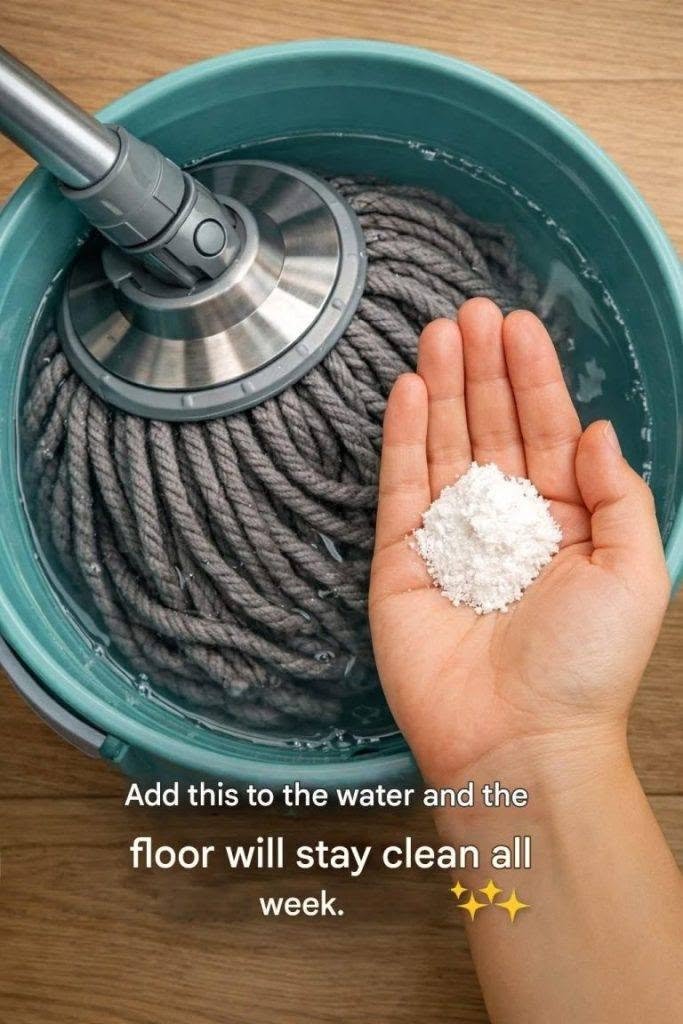
Discover the simple ingredient that helps keep floors cleaner for longer. Learn how to make the perfect mopping solution, which floors it’s safe for, and expert cleaning tips for a sparkling home.
Put This Ingredient in Your Bucket and Your Floor Will Stay Clean All Week: The Easy Cleaning Trick That Really Works
A freshly mopped floor instantly makes your home feel cleaner, brighter, and more inviting. However, many homeowners become frustrated when dust, footprints, pet hair, and sticky spots return within a day or two. While no cleaning solution can guarantee perfectly clean floors for an entire week, using the right ingredients and cleaning techniques can help your floors stay fresh much longer.
One inexpensive household ingredient that has been trusted for generations is white distilled vinegar. When diluted properly, vinegar helps remove dirt, grease, and soap residue that often attract new dust. Combined with proper mopping techniques, it can leave many hard floors cleaner and shinier for days.
This guide explains how vinegar works, how to use it safely, which flooring types it suits best, and several expert tips to keep your floors looking their best.
Why Floors Get Dirty So Quickly
Every day, your floors collect contaminants from various sources, including:
- Dust carried in through doors and windows
- Mud and dirt from shoes
- Pet hair and dander
- Food crumbs
- Cooking grease
- Sticky spills
- Pollen and outdoor debris
Many commercial floor cleaners contain ingredients that leave behind a thin residue. Although this residue can create a temporary shine, it may actually attract more dust over time.
Using a cleaner that dries without leaving residue can help slow this process.
The Secret Ingredient: White Distilled Vinegar
White distilled vinegar contains approximately 5% acetic acid. This mild acid helps dissolve grease, loosen grime, remove mineral deposits, and eliminate unpleasant odors.
Unlike some floor cleaners, diluted vinegar evaporates cleanly without leaving a sticky film behind.
Benefits include:
- Cuts through grease
- Removes dirt and grime
- Helps eliminate odors
- Leaves fewer streaks
- Inexpensive
- Eco-friendly
- Readily available in most homes
How to Make the Cleaning Solution
For routine floor cleaning, you’ll need:
Ingredients
- 1 gallon (4 liters) warm water
- ½ cup white distilled vinegar
Mix the vinegar into the warm water and stir gently.
For heavily soiled floors, mop once with the solution, then rinse with clean water if necessary.
Optional Ingredients for a Fresher Scent
Some people dislike the smell of vinegar, although it usually disappears once the floor dries.
You can improve the scent by adding:
Lemon Juice
One tablespoon of fresh lemon juice adds a pleasant citrus fragrance.
Essential Oils
Add only 5–10 drops of:
- Lemon
- Lavender
- Peppermint
- Tea tree
Always ensure the essential oil is suitable for your household, especially if you have pets.
Floors That Can Usually Be Cleaned with Vinegar
White vinegar is generally considered suitable for:
Ceramic Tile
Removes grime while leaving tiles bright and streak-free.
Porcelain Tile
Excellent for regular cleaning and everyday maintenance.
Vinyl Flooring
Helps remove grease and dirt without leaving residue.
Linoleum
Safe when properly diluted.
Always test any cleaner on an inconspicuous area first.
Floors That Should Never Be Cleaned with Vinegar
Although vinegar is an effective cleaner, it isn’t suitable for every flooring material.
Avoid using it on:
Marble
Acid can dull polished marble.
Granite
Repeated use may damage the protective seal.
Limestone
Highly sensitive to acidic cleaners.
Travertine
May become etched by vinegar.
Slate
Some slate floors require pH-neutral cleaners instead.
Hardwood Floors
Many manufacturers recommend avoiding vinegar because long-term use may weaken protective finishes.
Always follow your flooring manufacturer’s care instructions.
Why Microfiber Mops Work Better
Pairing your cleaning solution with a microfiber mop significantly improves results.
Microfiber:
- Traps more dust
- Holds dirt instead of pushing it around
- Requires less water
- Leaves fewer streaks
- Cleans corners more effectively
Wash microfiber pads after each use for maximum performance.
Extra Tips to Keep Floors Cleaner Longer
Remove Shoes Indoors
Outdoor shoes carry dirt, bacteria, sand, and tiny rocks that scratch floors.
Place Mats at Every Entrance
Quality doormats trap much of the dirt before it enters your home.
Vacuum Before Mopping
Loose dust becomes muddy when wet, reducing cleaning effectiveness.
Clean Spills Immediately
Sticky residue attracts additional dirt.
Use Less Cleaning Solution
Overusing cleaners can leave residue that actually causes floors to become dirty faster.
Common Floor Cleaning Mistakes
Many homeowners unknowingly make these mistakes:
- Using too much detergent
- Mopping with dirty water
- Forgetting to rinse mop heads
- Using excessive water on hardwood floors
- Skipping regular vacuuming
Correcting these habits often makes a bigger difference than changing cleaning products.
Does Vinegar Disinfect Floors?
Vinegar is a useful household cleaner but should not be considered a full disinfectant.
While it helps remove dirt and some germs during cleaning, it does not replace EPA-registered disinfectants (or their equivalent in your country) when disinfection is necessary, such as after illness or exposure to harmful bacteria.
Frequently Asked Questions
Can I use apple cider vinegar?
White distilled vinegar is preferred because it is clear and less likely to stain surfaces.
Can I mix vinegar with bleach?
No. Mixing vinegar and bleach produces toxic chlorine gas and is extremely dangerous.
How often should I mop?
- Kitchens: 2–3 times weekly
- Bathrooms: Weekly
- Living rooms: Weekly
- High-traffic areas: Every few days
Will vinegar damage my tiles?
When diluted properly, vinegar is generally safe for ceramic and porcelain tile. Always consult the flooring manufacturer’s recommendations.
Is This Really the Secret to Cleaner Floors?
Adding white distilled vinegar to your mop bucket isn’t a miracle solution, but it can be an effective way to clean many types of hard floors. By removing dirt and residue without leaving a sticky film, vinegar may help floors stay cleaner between mopping sessions.
For the best results, combine this simple cleaning solution with regular vacuuming, microfiber mops, entrance mats, and prompt spill cleanup. These habits can significantly reduce dirt buildup and keep your home looking fresh throughout the week.
Conclusion
White distilled vinegar remains one of the most affordable and practical natural cleaning ingredients available. When used correctly on compatible flooring, it can help remove grime, reduce residue, eliminate odors, and leave floors looking brighter. Remember that no cleaner can guarantee spotless floors for an entire week, but smart cleaning habits and the right solution can keep your home cleaner for longer while saving both time and money.