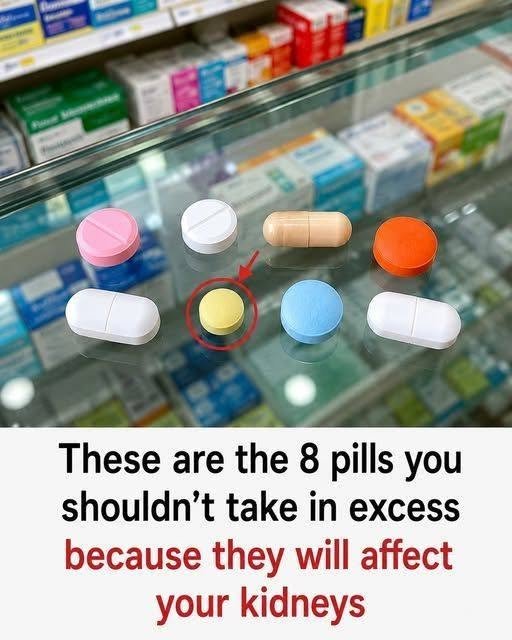
Some common medicines can affect kidney function, especially with high doses, long-term use, dehydration, or existing kidney disease. Learn which medications deserve caution and how to use them safely.
Your kidneys work continuously to filter waste and excess fluid from your blood. They also help regulate blood pressure, electrolytes, and other important functions.
Because the kidneys process or eliminate many medications, some medicines can put additional stress on them. But that does not mean these medicines are “bad” or should automatically be stopped. Many are safe and highly beneficial when used correctly.
The important question is not simply “Can this pill affect my kidneys?” but rather “Is it appropriate for me, at this dose, for this length of time, with my other medicines and health conditions?”
Here are eight medication groups worth knowing about.
1. NSAID Painkillers
Common examples include:
- Ibuprofen
- Naproxen
- Diclofenac
- Meloxicam
- Celecoxib
These are nonsteroidal anti-inflammatory drugs (NSAIDs) and are widely used for headaches, arthritis, muscle pain, back pain, and other conditions.
NSAIDs can reduce blood flow through the kidneys. The risk of acute kidney injury or worsening chronic kidney disease is greater with high doses, prolonged use, dehydration, or pre-existing kidney problems.
The important point
You don’t necessarily need to avoid every NSAID forever. But if you have kidney disease, heart failure, high blood pressure, or take certain blood-pressure medicines, talk with a healthcare professional before using them.
Never increase the dose simply because the standard dose isn’t providing enough pain relief.
2. ACE Inhibitors and ARBs
Examples include:
- Lisinopril
- Enalapril
- Ramipril
- Losartan
- Valsartan
This category may sound surprising because these medicines can actually protect the kidneys in many people, particularly those with high blood pressure or certain types of kidney disease.
However, they can affect kidney function and potassium levels, particularly when combined with dehydration, NSAIDs, or certain diuretics.
Don’t stop them on your own
If your doctor prescribed an ACE inhibitor or ARB, don’t discontinue it simply because you read that it can affect the kidneys.
These medicines can provide important kidney and cardiovascular benefits. Your healthcare professional may monitor creatinine/eGFR and potassium to make sure the treatment remains appropriate.
3. Diuretics — “Water Pills”
Examples include:
- Furosemide
- Torsemide
- Hydrochlorothiazide
- Spironolactone
Diuretics help the body remove excess salt and water. They are commonly prescribed for conditions such as high blood pressure, heart failure, and fluid retention.
The problem isn’t that they inherently “destroy” the kidneys. Rather, too much fluid loss can contribute to dehydration and electrolyte abnormalities, particularly if the dose isn’t appropriate.
This is why people taking diuretics may need periodic monitoring of kidney function and electrolytes.
4. Proton Pump Inhibitors (PPIs)
PPIs reduce stomach acid and include medicines such as:
- Omeprazole
- Esomeprazole
- Lansoprazole
- Pantoprazole
They’re commonly used for acid reflux, GERD, and ulcers.
The National Kidney Foundation notes that short-term use generally isn’t expected to cause kidney-related problems, while longer-term use has been associated with certain kidney risks, including acute kidney injury.
That doesn’t mean you should suddenly stop a PPI that your doctor has prescribed.
Instead, ask whether you still need it, particularly if you’ve been taking it for months or years.
5. Certain Antibiotics
Many antibiotics leave the body through the kidneys, meaning the dose may need to be adjusted when kidney function is reduced.
Some antibiotics can also directly cause kidney problems in susceptible people.
This is why someone with chronic kidney disease may receive a different dose or dosing schedule from someone with normal kidney function.
Never save leftover antibiotics and use them later without medical advice.
6. Lithium
Lithium is an effective prescription medication used for certain psychiatric conditions.
However, long-term lithium treatment can affect kidney function and may cause problems such as nephrogenic diabetes insipidus.
People taking lithium generally need appropriate monitoring, including kidney function and blood lithium levels.
Do not suddenly stop lithium without medical guidance.
7. High-Dose Aspirin and Other Salicylate Products
Aspirin is different depending on the dose and reason for use.
Low-dose aspirin may be prescribed to certain people for cardiovascular protection and should not automatically be considered harmful to the kidneys.
At higher doses, however, aspirin behaves more like an NSAID and can reduce kidney blood flow.
So don’t stop prescribed low-dose aspirin simply because you’ve heard that aspirin can affect the kidneys.
Always discuss changes with your doctor.
8. Certain Antacids and Bowel-Preparation Medicines
Some over-the-counter products deserve more attention than people realize.
For example, oral sodium phosphate bowel preparations can cause serious kidney problems in people with certain risk factors. The National Kidney Foundation specifically warns about these products in people with chronic kidney disease, adults over 55, and people taking medicines that affect kidney blood flow.
Some antacids can also contain ingredients such as aluminum, calcium, or magnesium that may accumulate when kidney function is significantly reduced.
Before using these products regularly, ask a pharmacist or healthcare professional which formulation is appropriate for you.
So Why Are These Medicines Still Sold?
Because a potential kidney risk doesn’t mean a medication is unsafe for everyone.
Medicines are approved and prescribed because their benefits can outweigh their risks when they’re used appropriately.
For example, an ACE inhibitor may help protect the kidneys and heart in one person, while requiring careful monitoring in another. An NSAID may provide valuable short-term pain relief for someone without kidney disease but be inappropriate for someone with advanced CKD.
The risk depends on factors such as:
- Your kidney function
- Your age
- Your dose
- How long you take the medicine
- Whether you’re dehydrated
- Your other medications
- Your blood pressure
- Your heart health
- Other medical conditions
That’s why medication safety is individual, not simply a list of “good” and “bad” pills.
The Dangerous Combination to Know About
One particularly important combination involves:
An ACE inhibitor or ARB + a diuretic + an NSAID
This combination can substantially increase the risk of acute kidney injury, especially when dehydration is also present.
If you take blood-pressure medication and a water pill and then regularly use an NSAID for pain, ask your doctor or pharmacist whether the combination is appropriate for you.
What About Paracetamol/Acetaminophen?
It’s important not to lump every painkiller together.
Acetaminophen (paracetamol) is generally considered kidney-safe at recommended doses, although individual circumstances matter.
However, taking too much can cause severe liver damage. It is also found in many combination cold, flu, and pain medicines, so accidentally taking multiple products containing acetaminophen is possible.
Always check the active ingredients on combination products.
7 Smart Rules for Protecting Your Kidneys
1. Don’t stop prescribed medication suddenly
Some medicines are essential for controlling blood pressure, heart disease, diabetes, or other conditions.
2. Read the active ingredients
Two products with different brand names may contain the same medication.
3. Tell your pharmacist about everything you take
Include prescription medicines, OTC products, vitamins, herbal products, and supplements.
4. Be especially careful when you’re dehydrated
Vomiting, diarrhea, fever, or inadequate fluid intake can change how some medicines affect the kidneys.
5. Don’t routinely self-treat chronic pain with NSAIDs
If you need pain medication frequently, ask about safer long-term options.
6. Monitor kidney function when recommended
People with kidney disease may need periodic testing such as eGFR and urine albumin measurements, depending on their condition and treatment.
7. Never change a prescription because of an internet article
A medication that can potentially affect the kidneys may also be protecting your kidneys or preventing a much more serious complication.
Warning Signs That Need Medical Attention
Contact a healthcare professional if you develop unexplained:
- Significant reduction in urination
- New swelling of the legs or face
- Persistent nausea or vomiting
- Severe weakness
- Confusion
- Shortness of breath
- Blood in the urine
- Severe flank or back pain
Sudden major changes in urination, severe weakness, confusion, or difficulty breathing can require urgent medical evaluation.
Final Takeaway
The message isn’t “stop taking these eight medicines.”
The real message is: know what you’re taking, understand your kidney function, avoid unnecessary self-medication, and make sure your doctor or pharmacist knows every medicine and supplement you use.
Many medications that can affect kidney function are completely appropriate when correctly prescribed and monitored. The greatest danger often comes from unnecessary use, excessive doses, drug combinations, dehydration, or failure to adjust medicines when kidney function changes.
If you already have kidney disease, don’t make medication changes on your own. Ask your healthcare professional before starting, stopping, or changing any medicine.