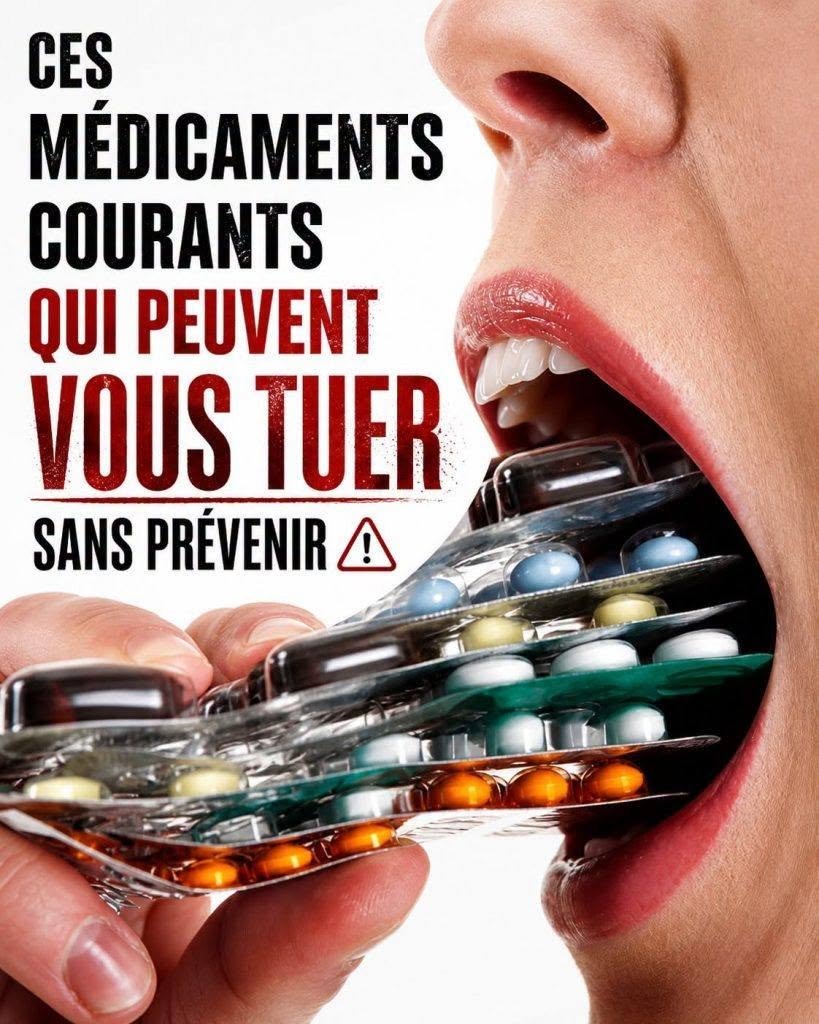
That doesn’t mean you should stop taking them. In fact, many of these medicines are lifesaving when used correctly.
Here are 10 important medication groups that deserve particular care.
1. Opioid Painkillers
Examples include morphine, oxycodone, hydrocodone, fentanyl, and hydromorphone.
Opioids can be extremely effective for severe pain, but excessive exposure can suppress breathing and cause a potentially fatal overdose. The FDA specifically warns that overdose risk increases as opioid doses increase.
The danger can become substantially greater when opioids are combined with other central-nervous-system depressants, particularly benzodiazepines or alcohol.
Safety tip: Take opioids exactly as prescribed and never share them with another person.
2. Insulin
Insulin is essential for many people with diabetes, but taking too much can cause dangerously low blood glucose.
Severe hypoglycemia can result in:
- Confusion
- Seizures
- Loss of consciousness
- Coma
- Death
Insulin is classified as a high-alert medication because dosing and administration mistakes can have serious consequences.
Safety tip: Double-check the insulin name, concentration, and prescribed dose, particularly when switching products.
3. Blood Thinners
Anticoagulants such as warfarin, apixaban, rivaroxaban, and heparin can prevent dangerous blood clots, but excessive anticoagulation can cause serious bleeding.
Potential warning signs include:
- Blood in the urine
- Black or bloody stools
- Vomiting blood
- Unexplained large bruises
- Persistent or heavy bleeding
- Severe headache or neurological changes
Anticoagulants are recognized internationally as high-risk medicines because dosing and monitoring errors can cause significant harm.
Safety tip: Make sure every healthcare professional treating you knows that you’re taking an anticoagulant.
4. Methotrexate
Methotrexate is used to treat several conditions, including certain cancers and inflammatory diseases.
One particularly important medication-safety issue is that methotrexate is commonly taken weekly for inflammatory conditions—not daily.
Taking it incorrectly can cause severe toxicity. The official prescribing information carries prominent warnings about serious adverse reactions and medication errors.
Safety tip: Confirm exactly how often your prescription should be taken and follow the monitoring schedule provided by your healthcare team.
5. Digoxin
Digoxin can be used for certain heart conditions, but it has a relatively narrow therapeutic range. That means the difference between an effective amount and a toxic amount can be relatively small.
Toxicity can produce symptoms such as:
- Nausea or vomiting
- Loss of appetite
- Confusion
- Visual disturbances
- Abnormal heart rhythms
Kidney function, age, other medications, and electrolyte levels can affect the risk.
Safety tip: Don’t change your dose without medical advice, and make sure your clinician knows about all medications and supplements you’re taking.
6. Certain Sedatives and Benzodiazepines
Benzodiazepines include medications such as diazepam, lorazepam, and alprazolam.
They can be useful for specific medical conditions, but they can also cause excessive sedation, dependence, and dangerous interactions.
The FDA warns particularly about combining benzodiazepines with opioids or other central-nervous-system depressants because severe respiratory depression and death can occur.
Another important point: people who have been taking benzodiazepines regularly should not abruptly stop them without medical guidance because withdrawal can sometimes be severe or life-threatening.
7. Some Heart-Rhythm Medications
Certain antiarrhythmic medicines can be lifesaving when prescribed appropriately but can also cause serious complications if incorrectly dosed or used in an unsuitable patient.
Some can affect the electrical activity of the heart and potentially produce dangerous arrhythmias.
That’s why particular antiarrhythmics may require careful dosing, monitoring, or electrocardiograms.
Safety tip: Report fainting, new palpitations, or significant changes in your heartbeat promptly.
8. Concentrated Electrolytes
Medications and intravenous solutions containing concentrated potassium or other electrolytes are considered high-alert medicines.
An administration or preparation error can produce severe disturbances in the body’s electrolyte balance and potentially affect the heart.
These products are primarily a concern in healthcare settings rather than ordinary home medicine cabinets.
9. Certain Chemotherapy Medicines
Chemotherapy drugs are powerful because they’re designed to affect rapidly dividing cells.
That’s also why incorrect dosing can cause serious toxicity.
Medicines such as methotrexate and other chemotherapeutic agents are included among high-risk medications because dosing and administration errors can have severe consequences.
They require specialized prescribing, monitoring, and handling.
10. Some Blood-Pressure and Heart Medicines
Several cardiovascular medicines can become dangerous when taken incorrectly, particularly in excessive doses or when combined with other medicines that affect blood pressure, heart rate, or electrolytes.
Beta-blockers, for example, are among medication classes identified in research on serious medication errors.
Too much of certain cardiovascular drugs can cause dangerously low blood pressure, slow heart rate, abnormal rhythms, or other complications.
Safety tip: Don’t take an extra dose simply because you missed one without first checking the medication instructions or asking a pharmacist.
The Real Danger Is Often the Combination
One of the biggest medication-safety problems isn’t necessarily a single medicine—it’s drug interactions.
For example, combining opioids with benzodiazepines can produce profound sedation and dangerously slowed breathing. The FDA specifically warns about this combination.
Alcohol and other sedating substances can add to these effects.
That’s why it’s important to tell your doctor and pharmacist about:
- Prescription medicines
- Over-the-counter drugs
- Vitamins
- Herbal supplements
- Alcohol or other substances
Older Adults Need Extra Caution
Medication effects can change with age.
Older adults may be more vulnerable to complications because of changes in kidney and liver function, multiple medications, dehydration, and increased sensitivity to some drugs.
Taking several medicines at once—known as polypharmacy—also increases the possibility of interactions.
A periodic medication review with a doctor or pharmacist can help identify unnecessary medications, duplicate treatments, and potentially dangerous combinations.
Never Stop a High-Risk Medication Suddenly
A frightening article shouldn’t convince you to throw away your prescriptions.
Some medications can cause serious problems when stopped abruptly. This is particularly important with certain benzodiazepines, steroids, some heart medicines, and other drugs that require gradual adjustment.
If you’re concerned about a medication, contact your doctor or pharmacist before changing the dose or stopping it.
Signs of a Possible Medication Emergency
Get urgent medical help if someone taking medication develops symptoms such as:
- Difficulty breathing
- Loss of consciousness
- Seizures
- Severe confusion
- Severe chest pain
- Sudden weakness
- Signs of major bleeding
- Extreme sleepiness and inability to wake normally
For suspected opioid overdose, naloxone can reverse opioid effects and potentially prevent death. The FDA recommends discussing naloxone availability with patients receiving opioid pain medicines, particularly those at increased risk.
Final Thoughts
There isn’t a simple list of “10 medications that will kill you.” Risk depends on the medication, dose, patient, medical condition, interactions, and whether the medicine is used correctly.
Opioids, insulin, anticoagulants, methotrexate, certain sedatives, digoxin, and several other high-alert medicines deserve particular attention because medication errors can have severe consequences.
But these medications can also be enormously beneficial—and sometimes lifesaving.
The safest rule is simple: take medicines exactly as prescribed, don’t share them, don’t combine them with alcohol or other drugs without checking first, and ask a pharmacist or doctor whenever you’re unsure.