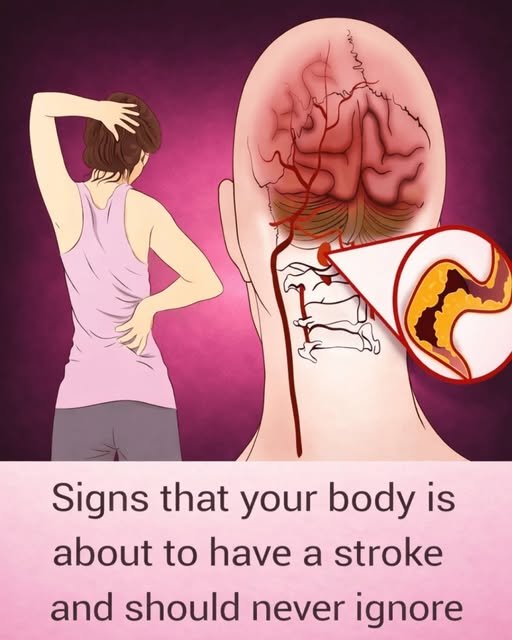
A stroke can happen without warning, and every second counts. It is one of the leading causes of death and long-term disability worldwide, but many people don’t realize that the body often gives clear warning signs. Recognizing these symptoms early and seeking immediate medical attention can dramatically improve the chances of recovery and reduce the risk of permanent brain damage.
The key to surviving a stroke is acting quickly. Even if symptoms disappear after a few minutes, they should never be ignored. What may seem like a temporary problem could actually be a warning sign of a serious medical emergency.
What Is a Stroke?
A stroke occurs when blood flow to part of the brain is interrupted or when a blood vessel in the brain ruptures. Without a steady supply of oxygen and nutrients, brain cells begin to die within minutes.
There are three main types of stroke:
- Ischemic Stroke: Caused by a blockage in an artery supplying blood to the brain. This is the most common type.
- Hemorrhagic Stroke: Occurs when a blood vessel bursts and causes bleeding in the brain.
- Transient Ischemic Attack (TIA): Often called a “mini-stroke,” it produces temporary symptoms but serves as a major warning that a full stroke could happen soon.
1. Sudden Numbness or Weakness
One of the earliest and most recognizable signs is sudden weakness or numbness, usually affecting only one side of the body.
You may notice:
- Weakness in one arm or leg
- Tingling or numbness
- Difficulty lifting one arm
- Loss of grip strength
This symptom happens because the affected part of the brain can no longer properly control the muscles on one side of the body.
2. Facial Drooping
A stroke often affects the facial muscles.
Common signs include:
- One side of the face droops
- An uneven smile
- Difficulty closing one eye
- Drooping eyelid
A simple test is to ask the person to smile. If one side of the face doesn’t move normally, seek emergency medical care immediately.
3. Difficulty Speaking
Speech problems are among the most noticeable symptoms.
A person may:
- Slur their words
- Speak slowly
- Use incorrect words
- Be unable to form complete sentences
Even mild speech changes should never be ignored.
4. Trouble Understanding Others
Sometimes a person can hear perfectly but suddenly cannot understand what others are saying.
They may:
- Appear confused
- Give inappropriate responses
- Have difficulty following simple instructions
This confusion often develops suddenly and is very different from ordinary forgetfulness.
5. Sudden Vision Changes
Stroke can affect the parts of the brain responsible for vision.
Possible symptoms include:
- Blurred vision
- Double vision
- Partial vision loss
- Complete vision loss in one eye
- Difficulty seeing to one side
Some people mistakenly believe they simply need new glasses, delaying life-saving treatment.
6. Severe Headache
A sudden, extremely severe headache—especially if it comes on without any obvious cause—can signal a hemorrhagic stroke.
It may be accompanied by:
- Nausea
- Vomiting
- Neck stiffness
- Sensitivity to light
- Loss of consciousness
A sudden “worst headache of your life” should always be treated as a medical emergency.
7. Dizziness and Loss of Balance
If the stroke affects the cerebellum or brainstem, balance problems may appear.
Watch for:
- Trouble walking
- Feeling dizzy
- Loss of coordination
- Frequent stumbling
- Difficulty standing upright
These symptoms can sometimes be mistaken for inner ear problems, but sudden onset requires immediate evaluation.
8. Sudden Confusion
A person experiencing a stroke may suddenly become confused.
They may:
- Forget familiar people
- Lose track of where they are
- Have trouble making decisions
- Appear unusually disoriented
Family members often notice that “something just isn’t right.”
9. Difficulty Swallowing
Stroke can weaken the muscles involved in swallowing.
Signs include:
- Choking while eating
- Coughing during meals
- Drooling
- Feeling like food is stuck
Difficulty swallowing increases the risk of food entering the lungs, which can lead to serious complications such as pneumonia.
10. Sudden Loss of Coordination
Simple movements may suddenly become difficult.
A person might:
- Drop objects unexpectedly
- Miss reaching for items
- Have shaky hand movements
- Be unable to perform familiar tasks
These symptoms can affect daily activities such as writing, buttoning clothes, or holding a cup.
Remember the FAST Test
Health professionals recommend using the FAST method to recognize stroke symptoms quickly.
F – Face: Ask the person to smile. Does one side droop?
A – Arms: Ask them to raise both arms. Does one arm drift downward?
S – Speech: Ask them to repeat a simple sentence. Is their speech slurred or difficult to understand?
T – Time: If you notice any of these signs, call your local emergency services immediately. Do not wait to see if symptoms improve.
Who Is Most at Risk?
Although strokes can happen at any age, certain factors increase the risk:
- High blood pressure
- Diabetes
- High cholesterol
- Smoking
- Obesity
- Heart disease
- Physical inactivity
- Excessive alcohol use
- Older age
- Family history of stroke
Managing these risk factors can significantly reduce your chances of having a stroke.
How to Help Someone Having a Stroke
If you think someone is having a stroke:
- Call emergency medical services immediately.
- Note the time when symptoms first started, if known.
- Keep the person calm and seated or lying down.
- Do not give food, drinks, or medications unless instructed by a healthcare professional.
- If the person becomes unconscious and is not breathing normally, begin CPR if you are trained to do so.
Final Thoughts
A stroke is a race against time. Brain cells begin to die within minutes when blood flow is interrupted, making rapid treatment essential. Learning the early warning signs could help you protect yourself or save someone else’s life.
Never ignore sudden weakness, speech problems, vision changes, severe headaches, or loss of balance. Even if symptoms disappear after a few minutes, they may indicate a transient ischemic attack (TIA), which greatly increases the risk of a future stroke.
Disclaimer: This article is for educational purposes only and should not replace professional medical advice, diagnosis, or treatment. If you suspect a stroke, seek emergency medical care immediately.