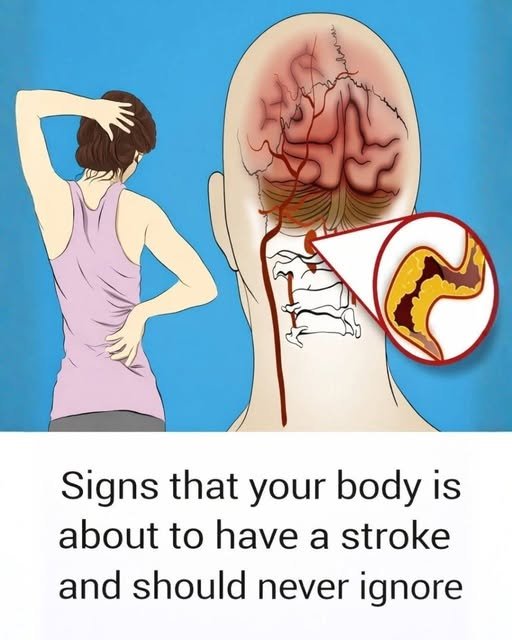
A stroke can happen without warning, and every minute counts. It occurs when blood flow to part of the brain is interrupted or when a blood vessel in the brain ruptures. Without oxygen and nutrients, brain cells begin to die within minutes.
Recognizing the warning signs and seeking immediate medical attention can significantly improve the chances of recovery and reduce the risk of permanent disability. If you or someone around you experiences any of the following symptoms, call your local emergency services immediately.
1. Sudden Numbness or Weakness
One of the most common signs of a stroke is sudden weakness or numbness, especially on one side of the body. This may affect the face, arm, or leg.
Watch for:
- A drooping face
- One arm that feels weak or cannot be lifted
- Numbness on one side of the body
2. Trouble Speaking or Understanding Speech
A stroke can affect the brain’s language centers, making it difficult to speak clearly or understand others.
Symptoms include:
- Slurred speech
- Difficulty finding words
- Confusion when listening to others
3. Sudden Vision Problems
A stroke may cause sudden vision changes in one or both eyes.
These changes may include:
- Blurred vision
- Double vision
- Partial or complete loss of vision
4. Severe, Sudden Headache
A sudden, intense headache unlike any you’ve experienced before may be a sign of a stroke, particularly a hemorrhagic stroke.
Seek emergency care immediately if this headache is accompanied by:
- Vomiting
- Neck stiffness
- Confusion
- Loss of consciousness
5. Difficulty Walking or Loss of Balance
A stroke can affect coordination and balance.
You may notice:
- Dizziness
- Trouble walking
- Frequent stumbling
- Loss of coordination
6. Sudden Confusion
If someone suddenly becomes confused, has trouble thinking clearly, or cannot understand simple instructions, it could be a stroke.
Never assume confusion is simply due to fatigue or age.
7. Facial Drooping
Ask the person to smile. If one side of the face droops or appears uneven, this is a classic stroke warning sign.
This is one of the easiest symptoms to recognize and should never be ignored.
8. Arm Weakness
Ask the person to raise both arms.
If one arm drifts downward or cannot be lifted, immediate medical attention is needed.
9. Sudden Difficulty Swallowing
Some strokes affect the muscles used for swallowing.
Signs include:
- Choking while eating
- Difficulty swallowing liquids
- Drooling
- A sensation that food is “stuck”
10. Sudden Loss of Consciousness or Extreme Drowsiness
Although less common, a severe stroke may cause:
- Fainting
- Extreme sleepiness
- Difficulty waking up
- Loss of consciousness
These symptoms require emergency medical treatment without delay.
Remember the FAST Test
Healthcare professionals recommend the FAST method to recognize a possible stroke:
- F – Face: Ask the person to smile. Does one side droop?
- A – Arms: Ask them to raise both arms. Does one drift downward?
- S – Speech: Ask them to repeat a simple sentence. Is their speech slurred or unusual?
- T – Time: If you notice any of these signs, call emergency services immediately.
Who Is at Higher Risk?
Several factors increase the risk of stroke, including:
- High blood pressure
- Diabetes
- Smoking
- High cholesterol
- Heart disease
- Obesity
- Physical inactivity
- Excessive alcohol use
- Older age
- Previous stroke or transient ischemic attack (TIA)
Can Stroke Be Prevented?
While not every stroke can be prevented, you can lower your risk by:
- Keeping blood pressure under control
- Managing diabetes and cholesterol
- Exercising regularly
- Eating a balanced diet rich in fruits and vegetables
- Avoiding smoking
- Limiting alcohol intake
- Taking prescribed medications as directed
Final Thoughts
A stroke is a medical emergency, and fast treatment can save lives and reduce long-term disability. The warning signs often appear suddenly, so never wait to see if they improve on their own.
If you notice facial drooping, arm weakness, speech problems, sudden vision changes, severe headache, or loss of balance, seek emergency medical care immediately. Acting quickly can make all the difference.