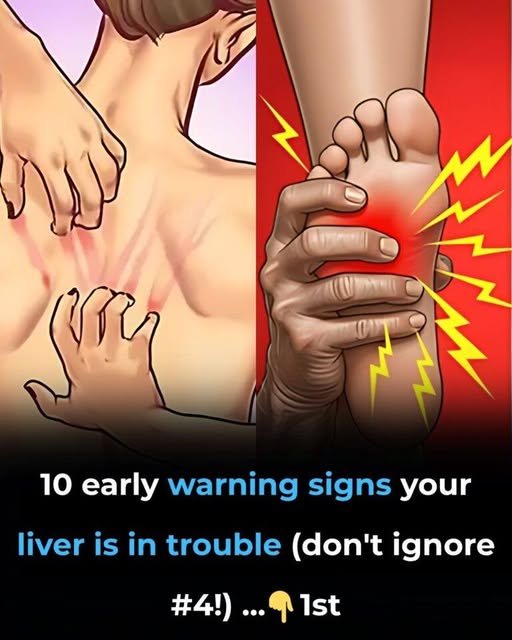
Your liver is one of the hardest-working organs in your body. It helps filter toxins, process nutrients, produce important proteins, store energy, and support digestion. Because the liver has a remarkable ability to repair itself, early liver problems can sometimes develop quietly without obvious symptoms.
That’s why recognizing early warning signs of possible liver trouble is important. Many symptoms are not specific to liver disease alone, but they can be signals that something needs attention—especially if they persist or worsen.
1. Unusual Tiredness and Low Energy
Feeling exhausted even after enough rest can sometimes be linked to liver problems.
When the liver is not functioning properly, waste products may build up in the body, and changes in metabolism can contribute to:
- Constant fatigue
- Low energy
- Difficulty concentrating
- Feeling weak or unwell
Of course, tiredness can also come from many other causes, including stress, poor sleep, anemia, infections, or nutritional deficiencies.
2. Yellowing of the Skin or Eyes (Jaundice)
One of the most recognized signs of liver problems is jaundice.
It happens when a substance called bilirubin builds up in the blood.
Possible signs include:
- Yellow eyes
- Yellow skin
- Darker-than-usual urine
- Pale stools
Jaundice should always be evaluated by a healthcare professional because it can have several causes.
3. Dark Urine or Pale Stool
Changes in bathroom habits can sometimes indicate problems with bile processing.
Possible warning signs include:
- Urine that looks unusually dark despite drinking enough fluids
- Gray or pale-colored stools
- Changes that continue for several days
These changes can have causes other than liver disease, but they are worth discussing with a doctor.
4. Swelling in the Abdomen or Legs (A Sign Many People Ignore)
Persistent swelling can be an important warning sign.
Liver disease can sometimes contribute to fluid buildup, causing:
- A swollen or enlarged belly
- Tightness around the abdomen
- Swollen ankles or legs
This may occur because the liver produces proteins that help maintain fluid balance in the body.
Do not ignore unexplained swelling, especially if it appears suddenly or comes with other symptoms.
5. Loss of Appetite and Unexplained Weight Loss
A struggling liver may affect digestion and metabolism.
Some people experience:
- Reduced appetite
- Feeling full quickly
- Nausea
- Unintentional weight loss
If you lose weight without trying, it is important to find the underlying cause.
6. Nausea or Digestive Problems
Because the liver plays a role in digestion, liver problems may sometimes be associated with:
- Nausea
- Vomiting
- Bloating
- Abdominal discomfort
- Changes in digestion
These symptoms are common and may be caused by many conditions, not only liver issues.
7. Easy Bruising or Bleeding
The liver helps produce proteins involved in blood clotting.
When liver function is severely affected, some people may notice:
- Bruising more easily
- Frequent nosebleeds
- Longer bleeding after minor injuries
This symptom requires medical attention, especially if it is new or worsening.
8. Itchy Skin Without an Obvious Cause
Persistent itching can sometimes occur when bile-related substances build up in the body.
Liver-related itching may:
- Affect large areas of the body
- Be worse at night
- Occur without a visible rash
However, dry skin, allergies, and other conditions are much more common causes.
9. Confusion or Changes in Mental Alertness
In advanced liver disease, toxins that are normally processed by the liver can affect brain function.
Warning signs may include:
- Confusion
- Difficulty focusing
- Sleep pattern changes
- Unusual behavior changes
Sudden confusion should always be treated as a medical concern.
10. Pain or Discomfort in the Upper Right Abdomen
The liver is located in the upper right area of the abdomen.
Some people with liver-related conditions may experience:
- Pressure or discomfort under the right ribs
- Tenderness in that area
- A feeling of fullness
Not all liver conditions cause pain, and many other issues can cause abdominal discomfort.
Common Causes That Can Affect Liver Health
Liver problems may develop due to:
- Excess alcohol consumption
- Fat buildup in the liver (fatty liver disease)
- Viral hepatitis infections
- Certain medications or supplements
- Toxins
- Metabolic conditions
Simple Ways to Support Liver Health
You can help protect your liver by:
✅ Maintaining a healthy weight
✅ Eating a balanced diet rich in vegetables, fruits, and whole foods
✅ Limiting alcohol intake
✅ Staying physically active
✅ Avoiding unnecessary use of medications or supplements
✅ Getting recommended vaccinations (such as hepatitis vaccines when appropriate)
✅ Having regular medical checkups if you have risk factors
When Should You See a Doctor?
Seek medical advice if you notice:
- Yellow eyes or skin
- Unexplained swelling
- Persistent abdominal pain
- Dark urine with pale stools
- Unusual bleeding or bruising
- Severe fatigue that does not improve
- Confusion or personality changes
Doctors can evaluate liver health through blood tests, imaging, and other examinations.
Final Thoughts
Your liver often works silently, which is why early warning signs can be easy to overlook. Symptoms like jaundice, unexplained swelling, unusual fatigue, digestive changes, and changes in urine or stool color deserve attention.
The best protection is early awareness, healthy lifestyle choices, and medical evaluation when something does not feel right.
Your liver is essential for your overall health—taking care of it today can help protect your future well-being.