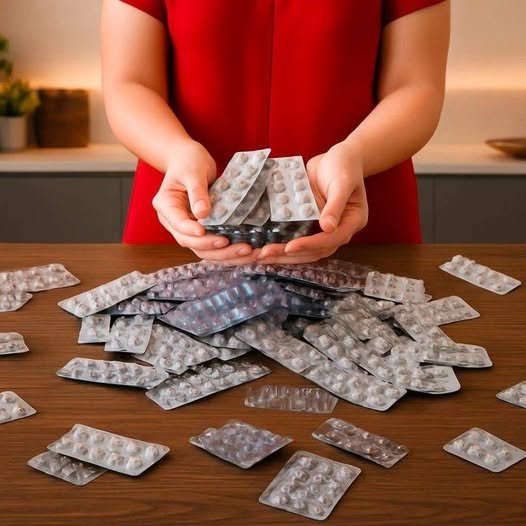
Most of us throw away empty medicine blister packs without a second thought. However, these lightweight plastic-and-foil packs can often be repurposed for small household tasks before being recycled or disposed of properly.
While not every blister pack can be recycled through regular curbside programs, finding creative ways to reuse them can help reduce waste and give these everyday items a second life.
Before reusing any blister pack, make sure it is completely empty, clean, and free of any medication residue. If it previously held prescription medication, remove or cover any personal information on the packaging.
Here are ten practical ways to reuse empty medicine blister packs around your home.
1. Organize Small Beads and Craft Supplies
The individual compartments are perfect for storing tiny craft items such as:
- Beads
- Sequins
- Buttons
- Rhinestones
- Glitter
- Small sewing accessories
Label each section to keep everything organized.
2. Store Tiny Hardware
Small household items are easy to lose.
Use blister packs to organize:
- Screws
- Nails
- Nuts
- Bolts
- Washers
- Wall anchors
Store them inside a toolbox for easy access.
3. Sort Jewelry
Traveling with jewelry can be frustrating because small earrings and rings often become tangled or misplaced.
Blister packs provide separate compartments to keep jewelry organized and protected.
4. Use as Mini Paint Palettes
If you enjoy arts and crafts, the small pockets work well for holding tiny amounts of paint.
They’re ideal for:
- Watercolor paints
- Acrylic paints
- Model painting
- Children’s art projects
After use, simply rinse and reuse if possible.
5. Start Seeds for Gardening
The small compartments can serve as miniature seed starters.
Fill each cavity with seed-starting mix, plant a seed, and lightly water it.
Once seedlings are established, transplant them into larger pots or your garden.
6. Store Fishing Accessories
Anglers can organize tiny tackle items such as:
- Hooks
- Sinkers
- Swivels
- Small lures
The separate compartments make it easier to find exactly what you need.
7. Organize Office Supplies
Keep small office items neatly sorted, including:
- Paper clips
- Push pins
- Staples
- Rubber bands
- Thumbtacks
This simple organizer can help reduce desk clutter.
8. Portion Small Amounts of Glue or Epoxy
When working on DIY repairs, blister compartments can hold small amounts of glue, resin, or epoxy while you work.
Dispose of any leftover adhesive safely according to the manufacturer’s instructions.
9. Create Learning Activities for Children
Empty blister packs can become educational tools.
Use them for:
- Counting games
- Color sorting
- Letter matching
- Number recognition
- Fine motor skill activities
Always supervise young children to prevent choking hazards.
10. Recycle Them Through Specialized Programs
When the blister pack has reached the end of its useful life, check whether your local pharmacy, municipality, or specialized recycling program accepts mixed-material packaging.
Because blister packs combine plastic and aluminum foil, they often require specialized recycling rather than standard household recycling.
Following local recycling guidelines helps reduce environmental impact.
Safety Tips Before Reusing Blister Packs
Always keep these precautions in mind:
- Wash and dry the blister pack thoroughly before reuse.
- Never reuse it to store food or beverages.
- Keep reused blister packs away from young children if they contain small objects.
- Do not refill old blister packs with medication, as this can cause confusion and increase the risk of medication errors.
- Dispose of damaged blister packs responsibly.
Why Reusing Household Items Matters
Finding creative ways to reuse common packaging can:
- Reduce household waste
- Save money on storage containers
- Encourage creative DIY projects
- Promote environmentally friendly habits
- Extend the life of everyday materials before disposal
Small changes in daily habits can collectively make a positive impact on the environment.
Final Thoughts
Empty medicine blister packs may seem like disposable waste, but they can become surprisingly useful organizers for crafts, hardware, office supplies, gardening, and other household projects. While reuse is a great first step, remember that these packs should never be reused for storing medications or food. When they can no longer be repurposed, recycle them through an appropriate program whenever possible.
With a little creativity, something that usually ends up in the trash can become a practical tool that helps keep your home organized while reducing waste.