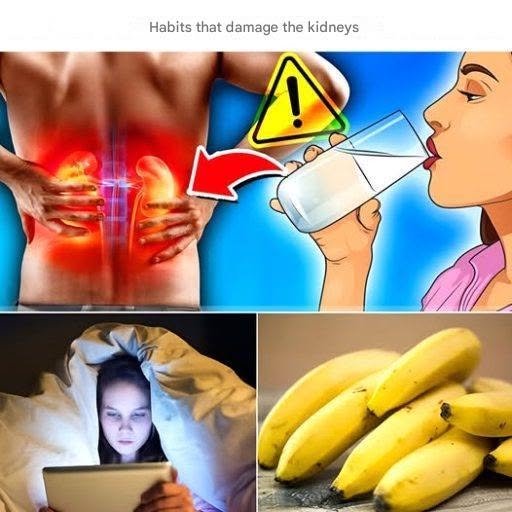
Your kidneys are two small but incredibly important organs that work constantly to keep your body healthy. They filter waste from your blood, balance fluids, control blood pressure, regulate minerals, and help maintain many essential body functions.
Because kidneys work silently in the background, many people do not notice problems until damage has already developed. Certain daily habits can gradually put unnecessary stress on these vital organs.
Here are 12 common behaviors that may harm your kidneys over time.
1. Not Drinking Enough Water
Your kidneys need adequate fluids to remove waste and maintain proper balance in your body.
When you regularly become dehydrated, your kidneys have to work harder to concentrate urine and remove toxins.
Possible effects of dehydration include:
- Increased risk of kidney stones
- Reduced kidney function
- Dark, concentrated urine
- Fatigue and dizziness
Drinking enough water throughout the day helps support normal kidney function.
2. Eating Too Much Salt
A high-sodium diet can put extra pressure on your kidneys.
Excess salt may contribute to:
- Increased blood pressure
- Fluid retention
- Greater workload for the kidneys
Common high-salt foods include:
- Processed meats
- Packaged snacks
- Fast food
- Instant noodles
- Canned foods
Reducing salt intake can support both kidney and heart health.
3. Excessive Use of Painkillers
Many people regularly use over-the-counter pain medications without realising they can affect kidney health.
Frequent or long-term use of certain pain relievers, especially non-steroidal anti-inflammatory drugs (NSAIDs), may reduce blood flow to the kidneys.
Examples include some medications used for:
- Headaches
- Muscle pain
- Arthritis discomfort
Always follow dosage instructions and ask a healthcare professional if you need frequent pain medication.
4. Eating Too Much Processed Food
Processed foods often contain high levels of:
- Salt
- Added sugars
- Unhealthy fats
- Phosphorus additives
A diet heavy in processed foods can increase the risk of conditions such as high blood pressure and diabetes, which are major contributors to kidney problems.
Choose more:
- Fresh vegetables
- Fruits
- Whole grains
- Lean proteins
5. Smoking
Smoking damages blood vessels throughout the body, including those that supply the kidneys.
Smoking can contribute to:
- Reduced kidney blood flow
- Faster progression of kidney disease
- Increased risk of cardiovascular problems
Quitting smoking is one of the most beneficial steps for overall health.
6. Drinking Too Much Alcohol
Excessive alcohol consumption can affect many organs, including the kidneys.
Heavy drinking may lead to:
- Dehydration
- Increased blood pressure
- Changes in kidney function
Moderation is important to reduce unnecessary strain on the body.
7. Ignoring High Blood Pressure
High blood pressure is one of the leading causes of kidney damage.
When blood pressure remains high, it can damage the tiny blood vessels inside the kidneys, reducing their ability to filter blood properly.
Regular monitoring and healthy lifestyle habits can help protect kidney function.
8. Consuming Too Much Sugar
A diet high in added sugar increases the risk of obesity and type 2 diabetes.
Diabetes can damage the kidneys by affecting the small blood vessels responsible for filtration.
Limit:
- Sugary drinks
- Sweets
- Excess desserts
- Highly processed carbohydrates
9. Holding Your Urine for Too Long
Occasionally delaying a bathroom trip is common, but regularly holding urine for extended periods may increase stress on your urinary system.
It may contribute to:
- Bladder problems
- Increased risk of urinary infections
- Discomfort
Listening to your body’s signals is generally healthier.
10. Not Getting Enough Sleep
Sleep allows your body to repair and regulate important processes.
Poor sleep patterns may affect:
- Blood pressure control
- Hormone balance
- Kidney function over time
Aim for consistent, quality sleep to support overall health.
11. Following Extreme Diets Without Guidance
Some high-protein or restrictive diets may place extra demands on the kidneys, especially in people who already have kidney problems.
Before making major dietary changes, consider your individual health needs and consult a healthcare professional if necessary.
A balanced diet is usually the best approach.
12. Avoiding Regular Health Checkups
Kidney problems can develop quietly without obvious symptoms in the early stages.
Regular health checks can help monitor:
- Blood pressure
- Blood sugar levels
- Kidney function tests
- Urine health
Early detection can make a significant difference.
Warning Signs Your Kidneys May Need Attention
Contact a healthcare professional if you notice symptoms such as:
- Swelling in feet, ankles, or hands
- Changes in urination
- Blood in urine
- Persistent fatigue
- Back or side pain
- Foamy urine
- Unexplained nausea
These symptoms can have many causes, but they should not be ignored.
Final Thoughts
Your kidneys work every day to keep your body balanced and free from waste. Small lifestyle choices—such as staying hydrated, eating less salt, avoiding excessive medication use, maintaining a healthy weight, and controlling blood pressure—can make a major difference.
Protecting your kidneys is not about one single habit; it is about building consistent, healthy routines that support your entire body for years to come.