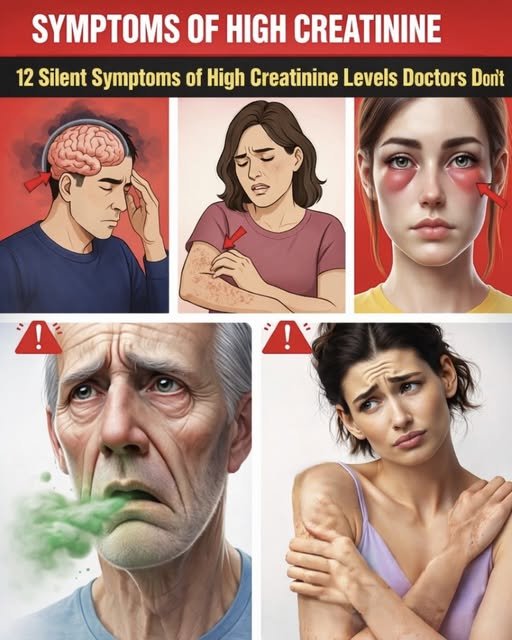
Learn about 12 possible symptoms associated with high creatinine levels and kidney problems. Discover when to seek medical attention and why early testing is essential for kidney health.
12 Silent Symptoms of High Creatinine You Should Never Ignore
Creatinine is a waste product produced by your muscles and filtered out of the blood by your kidneys. When your kidneys aren’t working properly, creatinine levels can rise. High creatinine itself usually doesn’t cause symptoms, but the underlying kidney problem can.
Because early kidney disease often develops silently, recognizing potential warning signs can help you seek medical evaluation before serious complications occur.
1. Persistent Fatigue
Feeling unusually tired or weak may be one of the earliest signs of declining kidney function. As waste products build up in the bloodstream, energy levels can decrease.
2. Swelling in the Legs, Feet, or Ankles
Damaged kidneys may struggle to remove excess fluid, leading to swelling (edema), especially in the lower extremities.
3. Puffiness Around the Eyes
Fluid retention can also cause noticeable puffiness around the eyes, particularly in the morning.
4. Changes in Urination
Pay attention to:
- Urinating more or less often
- Foamy urine
- Blood in the urine
- Dark-colored urine
- Difficulty urinating
These changes may signal kidney problems that deserve prompt evaluation.
5. Loss of Appetite
A buildup of waste products in the blood may reduce appetite and make food less appealing.
6. Nausea or Vomiting
As kidney function declines, toxins can accumulate and contribute to nausea, vomiting, or stomach discomfort.
7. Itchy Skin
Persistent itching can occur in advanced kidney disease due to changes in minerals and waste products in the body.
8. Muscle Cramps
Electrolyte imbalances caused by impaired kidney function may contribute to frequent muscle cramps.
9. Shortness of Breath
Fluid buildup in the lungs or anemia related to kidney disease can make breathing more difficult.
10. Difficulty Concentrating
Some people experience brain fog, trouble focusing, or confusion when kidney function is significantly impaired.
11. High Blood Pressure
The kidneys play an important role in regulating blood pressure. Kidney disease can cause high blood pressure, and uncontrolled high blood pressure can further damage the kidneys.
12. Metallic Taste or Bad Breath
Waste products accumulating in the bloodstream may alter your sense of taste or cause unpleasant breath odor in more advanced kidney disease.
What Causes High Creatinine?
Elevated creatinine levels can result from:
- Chronic kidney disease
- Acute kidney injury
- Dehydration
- Urinary tract obstruction
- Certain medications
- Severe infections
- Uncontrolled diabetes
- High blood pressure
A single elevated creatinine result doesn’t always mean you have kidney disease. Your healthcare provider will interpret the result along with your medical history, estimated glomerular filtration rate (eGFR), urine tests, and other laboratory findings.
How Is High Creatinine Diagnosed?
Healthcare providers typically use:
- Blood creatinine testing
- eGFR calculation
- Urinalysis
- Urine albumin testing
- Blood pressure measurement
- Kidney imaging when appropriate
Tips to Support Kidney Health
You may help protect your kidneys by:
- Staying well hydrated unless your healthcare provider advises otherwise
- Managing blood pressure and blood sugar
- Eating a balanced diet
- Limiting excessive salt intake
- Exercising regularly
- Avoiding smoking
- Taking medications only as directed
- Having regular kidney function tests if you’re at higher risk
When to Seek Medical Care
Contact a healthcare provider if you notice persistent swelling, changes in urination, blood in the urine, ongoing fatigue, or unexplained nausea. Seek immediate medical attention if you have severe shortness of breath, chest pain, confusion, or stop producing urine.
Final Thoughts
High creatinine is a laboratory finding—not a disease itself—but it can be an important indicator of reduced kidney function. Because kidney disease often develops without obvious symptoms, regular health checkups and prompt evaluation of concerning signs are essential. Early diagnosis and treatment can help slow kidney damage and improve long-term health outcomes.