Your kidneys work quietly every day, filtering waste products, balancing fluids, and keeping your body healthy. One of the most important waste products they remove is creatinine, a substance produced naturally when your muscles use energy.
Normally, creatinine is filtered out of your blood and removed through urine. But when the kidneys are not working properly, creatinine levels can rise. Unfortunately, high creatinine often develops without obvious warning signs, and many people don’t realize there’s a problem until kidney function has significantly declined.
While routine blood tests are the best way to detect elevated creatinine, your body may begin sending subtle signals long before a diagnosis is made. Knowing these symptoms could encourage earlier medical evaluation and potentially prevent serious kidney damage.
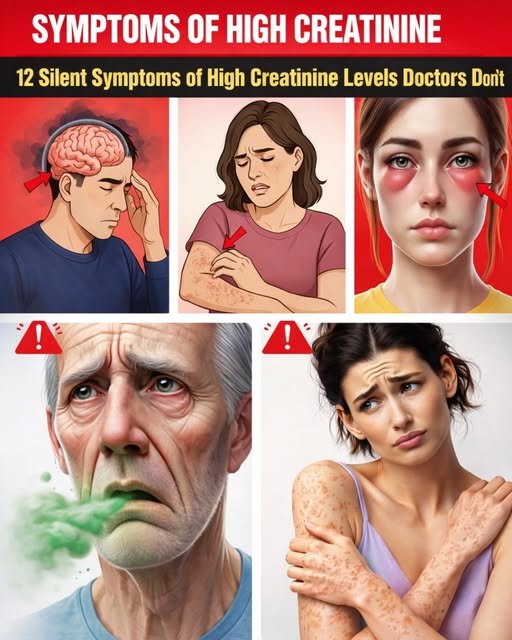
Here are 12 silent symptoms of high creatinine you should never ignore.
1. Constant Fatigue
Feeling exhausted even after a full night’s sleep may be one of the earliest signs of declining kidney function.
When the kidneys don’t filter waste efficiently, toxins accumulate in the bloodstream. This buildup can leave you feeling:
- Weak
- Sluggish
- Low on energy
- Unable to concentrate
Many people mistakenly blame aging, stress, or lack of sleep.
2. Swelling in the Feet, Ankles, or Hands
Healthy kidneys remove excess fluid from the body.
When kidney function decreases, fluid begins collecting in tissues, causing swelling known as edema.
Common areas include:
- Ankles
- Feet
- Lower legs
- Hands
- Around the eyes
Persistent swelling deserves medical attention.
3. Changes in Urination
Kidney problems often first appear through changes in urination.
Watch for:
- Urinating more often at night
- Less urine than usual
- Foamy urine
- Dark-colored urine
- Blood in urine
- Difficulty urinating
Even subtle changes may indicate declining kidney filtration.
4. Persistent Itchy Skin
Many people don’t associate itchy skin with kidney disease.
When waste products remain in the bloodstream, they may irritate nerve endings and affect skin health.
Symptoms include:
- Dry skin
- Constant itching
- Flaking
- Skin irritation without a rash
If moisturizers don’t help, kidney function should be evaluated.
5. Muscle Cramps
Healthy kidneys maintain proper levels of:
- Calcium
- Potassium
- Sodium
- Magnesium
When kidney function declines, these minerals become imbalanced, causing painful muscle cramps—especially in the legs at night.
6. Nausea and Loss of Appetite
Waste products building up in the blood may affect the digestive system.
Many people experience:
- Morning nausea
- Metallic taste
- Reduced appetite
- Feeling full quickly
- Unexplained weight loss
These symptoms often appear gradually.
7. Shortness of Breath
High creatinine may indirectly contribute to breathing difficulties.
Possible reasons include:
- Fluid accumulation in the lungs
- Anemia caused by kidney disease
- Reduced oxygen delivery
Shortness of breath should always be evaluated promptly, especially if sudden or severe.
8. Trouble Concentrating
Toxin buildup affects more than the kidneys.
Many patients notice:
- Brain fog
- Poor memory
- Difficulty focusing
- Slow thinking
- Mental fatigue
Reduced oxygen delivery from anemia may worsen these symptoms.
9. Puffy Eyes
The kidneys normally keep proteins inside the bloodstream.
Damaged kidneys may allow protein to leak into urine.
Protein loss can cause:
- Puffy eyelids
- Swollen eyes, especially in the morning
- Facial puffiness
This symptom is commonly overlooked.
10. High Blood Pressure
Kidneys play a major role in regulating blood pressure.
Kidney disease can cause hypertension, and uncontrolled high blood pressure can further damage the kidneys.
This creates a dangerous cycle.
Regular blood pressure monitoring is essential.
11. Metallic Taste and Bad Breath
Waste products accumulating in the blood can change the taste inside your mouth.
People often report:
- Metallic taste
- Food tasting different
- Bad breath
- Reduced enjoyment of meals
This symptom is known as uremic breath in advanced kidney disease.
12. Difficulty Sleeping
Poor kidney function can interfere with healthy sleep.
Reasons include:
- Nighttime urination
- Muscle cramps
- Restless legs
- Itchy skin
- Breathing problems
- General discomfort
Chronic poor sleep can further worsen overall health.
What Causes High Creatinine?
High creatinine doesn’t always mean kidney failure.
Several conditions may temporarily or permanently increase creatinine levels, including:
- Chronic kidney disease
- Acute kidney injury
- Dehydration
- Diabetes
- High blood pressure
- Urinary tract obstruction
- Certain medications (such as some NSAID pain relievers and specific antibiotics)
- Very high muscle mass
- Intense exercise
- Large amounts of cooked meat before blood testing
A healthcare professional can determine the underlying cause.
Who Is Most at Risk?
Your risk increases if you have:
- Diabetes
- High blood pressure
- Heart disease
- Family history of kidney disease
- Obesity
- Age over 60
- Smoking history
- Long-term use of certain medications that may affect the kidneys
Regular checkups are especially important for these groups.
How Is High Creatinine Diagnosed?
Doctors usually diagnose elevated creatinine with:
- Blood creatinine test
- Estimated glomerular filtration rate (eGFR)
- Urinalysis
- Urine albumin testing
- Blood pressure measurement
- Kidney imaging when appropriate
These tests provide a clearer picture of kidney function than symptoms alone.
How to Protect Your Kidneys
While treatment depends on the cause, these habits support kidney health:
- Stay well hydrated unless your healthcare provider recommends fluid restriction.
- Control blood pressure and blood sugar.
- Eat a balanced diet rich in fruits, vegetables, and whole grains.
- Limit excess salt and highly processed foods.
- Avoid smoking.
- Exercise regularly.
- Maintain a healthy weight.
- Use over-the-counter pain relievers, especially NSAIDs, only as directed and discuss long-term use with your healthcare provider.
- Keep up with routine medical checkups if you’re at higher risk.
When Should You See a Doctor?
Seek medical evaluation if you experience:
- Persistent swelling
- Blood in your urine
- Dramatic changes in urination
- Severe fatigue without explanation
- Ongoing nausea
- Shortness of breath
- Uncontrolled high blood pressure
- Persistent itchy skin along with other symptoms
Prompt testing can identify kidney problems before significant damage occurs.
Final Thoughts
High creatinine is not a disease itself but rather a sign that your kidneys may not be filtering waste as effectively as they should. Because the early symptoms are often subtle and easy to mistake for everyday fatigue or aging, many people don’t realize there’s an issue until kidney function has already declined.
The good news is that early detection through routine blood and urine tests can help identify kidney problems before they become severe. If you notice several of these symptoms—especially if you have diabetes, high blood pressure, or a family history of kidney disease—schedule an appointment with your healthcare provider for an evaluation.
Disclaimer: This article is for informational purposes only and should not be used as a substitute for professional medical advice, diagnosis, or treatment. Always consult a qualified healthcare provider regarding any symptoms or concerns about your kidney health.