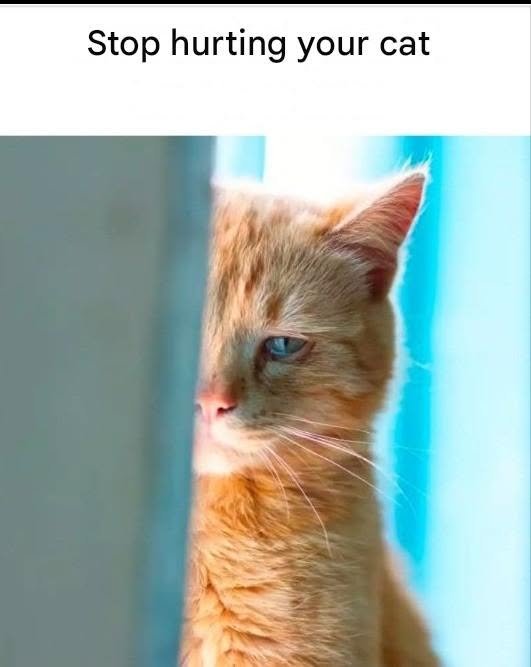
Cats may seem independent, but they can be sensitive to changes in their environment, routine, and interactions with people. Here are 16 things that can negatively affect a cat’s emotional well-being.
1. Sudden Changes in Routine
Cats often prefer predictability. Abrupt changes in feeding times, sleeping arrangements, or daily schedules can cause stress.
2. Loud Noises
Frequent exposure to shouting, fireworks, construction noise, or loud music can make cats anxious and fearful.
3. Being Left Alone for Long Periods
While many cats tolerate solitude better than some other pets, prolonged isolation can lead to stress, boredom, or loneliness.
4. Lack of Mental Stimulation
Without toys, climbing opportunities, or interactive play, cats can become bored and frustrated.
5. Punishment or Yelling
Cats do not typically respond well to punishment. Yelling or physical discipline can damage trust and increase fear.
6. Forced Physical Contact
Not all cats enjoy being held, hugged, or petted constantly. Ignoring their signals can make them uncomfortable.
7. Dirty Litter Boxes
Many cats are very particular about cleanliness. A dirty litter box can cause stress and may even lead to avoidance of the box.
8. Lack of Safe Hiding Places
Cats often feel more secure when they have quiet spaces where they can retreat and observe their surroundings.
9. Frequent Moving or Environmental Changes
Rearranging furniture, moving homes, or introducing many new objects at once can be unsettling.
10. Conflict With Other Pets
Competition, bullying, or territorial disputes with other animals can create ongoing anxiety.
11. Inconsistent Feeding
Irregular meal schedules can be stressful, especially for cats that thrive on routine.
12. Ignoring Signs of Illness
Pain and illness can affect a cat’s mood and behavior. A cat that seems withdrawn, irritable, or unusually quiet may need veterinary attention.
13. Lack of Vertical Space
Cats often feel safer when they can climb and observe from elevated areas such as cat trees or shelves.
14. Strong Scents
Some cats are sensitive to strong perfumes, cleaning products, air fresheners, or scented litter.
15. Overcrowding
Too many people, pets, or constant activity in a small space can leave a cat feeling overwhelmed.
16. Not Respecting Their Boundaries
Tail flicking, flattened ears, dilated pupils, or attempts to move away can indicate a cat wants space. Ignoring these signals may increase stress.
Signs Your Cat May Be Stressed
Watch for:
- Hiding more than usual
- Reduced appetite
- Excessive grooming
- Aggression or irritability
- Changes in litter box habits
- Increased vocalization
- Withdrawal from interaction
Supporting Your Cat’s Emotional Health
- Maintain a consistent routine.
- Provide clean food and water stations.
- Keep the litter box clean.
- Offer daily play and enrichment.
- Create safe hiding and climbing spaces.
- Respect your cat’s preferences for interaction.
- Schedule regular veterinary checkups.
A cat that feels safe, stimulated, and respected is more likely to be relaxed, confident, and emotionally healthy.