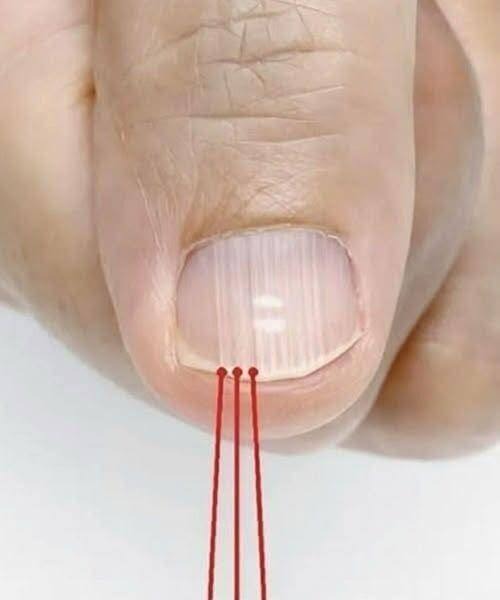
Have you recently looked at your fingernails and noticed thin lines or ridges that weren’t there before? If you’re over 40, you’re certainly not alone. Nail changes are common as we age, and many people become concerned when they see ridges, grooves, or changes in color and texture.
The internet is full of headlines claiming that nail lines are a “clear sign” of a serious disease. While it’s true that nails can sometimes reflect aspects of your overall health, most nail ridges after 40 are simply part of the natural aging process and are not, by themselves, proof of an illness.
Understanding the different types of nail lines—and knowing when they are harmless versus when they deserve medical attention—can help you take better care of your health without unnecessary worry.
Let’s explore what your nails may be trying to tell you.
Why Nails Change as We Age
Your fingernails are made primarily of keratin, the same protein found in your hair. Nails grow continuously from the nail matrix, located beneath the cuticle.
As we get older, several natural changes occur:
- Nail growth becomes slower.
- Nails may become drier.
- Natural oils decrease.
- The nail surface may become rougher.
- Vertical ridges often become more noticeable.
These changes are considered a normal part of aging for many adults.
1. Vertical Ridges: Usually a Normal Sign of Aging
The most common lines people notice after 40 are vertical ridges, which run from the cuticle to the tip of the nail.
These ridges often become more visible because nail cells are produced less evenly as we age.
In most healthy adults, vertical ridges are harmless.
You may also notice that your nails:
- Feel slightly rough
- Break more easily
- Become less smooth than they were in your younger years
Unless they are accompanied by other unusual symptoms, vertical ridges generally aren’t a cause for concern.
2. Horizontal Lines May Need Medical Evaluation
Horizontal grooves, known as Beau’s lines, are different.
Instead of running up and down, they stretch across the nail from one side to the other.
These grooves can appear after events that temporarily interrupt nail growth, including:
- A high fever
- Major infections
- Significant physical stress
- Surgery
- Serious illness
- Certain medications
Because Beau’s lines reflect a pause in nail growth, they should be discussed with a healthcare professional, especially if they appear without an obvious reason.
3. Brittle Nails Can Become More Common
Many adults over 40 notice that their nails become:
- Dry
- Brittle
- Thin
- Easy to split
Possible contributing factors include:
- Frequent hand washing
- Harsh soaps
- Cleaning chemicals
- Aging
- Dry climates
Applying moisturizer to your hands and cuticles regularly may help improve nail flexibility.
4. Can Vitamin Deficiencies Affect Nail Appearance?
Healthy nails require good nutrition.
Certain nutrient deficiencies may contribute to nail changes, although nail ridges alone cannot diagnose a deficiency.
Important nutrients include:
- Iron
- Vitamin B12
- Zinc
- Protein
- Biotin
Rather than taking supplements on your own, speak with your healthcare provider if you suspect a deficiency.
5. Changes in Nail Color Can Sometimes Be More Important
The color of your nails may provide additional clues.
Consult a healthcare professional if you notice:
- Dark brown or black streaks
- Nails turning blue
- Persistent yellow discoloration
- White nails affecting most of the nail
- Nails lifting away from the nail bed
These changes can have many different causes and deserve proper evaluation.
6. Thick or Misshapen Nails
As people age, nails may become thicker or more difficult to trim.
Sometimes this happens naturally, while other cases may be related to:
- Fungal nail infections
- Repeated injury
- Certain skin conditions
Treatment depends on the underlying cause, so it’s important to get an accurate diagnosis rather than self-treating.
7. White Spots on the Nails
Many people believe white spots always mean a calcium deficiency.
In reality, they are more commonly caused by:
- Minor nail injuries
- Small bumps to the nail matrix
- Mild trauma during nail growth
Most white spots grow out naturally with the nail.
8. Healthy Habits for Strong Nails
Simple daily habits can help maintain healthier nails.
Eat a Balanced Diet
Choose foods rich in:
- Lean protein
- Fruits
- Vegetables
- Whole grains
- Healthy fats
Stay Hydrated
Adequate hydration supports overall skin and nail health.
Moisturize Daily
Apply hand cream or cuticle oil after washing your hands.
Protect Your Hands
Wear gloves when:
- Washing dishes
- Gardening
- Using cleaning chemicals
Avoid Harsh Nail Products
Frequent use of strong nail polish removers or aggressive manicures may weaken nails.
When Should You See a Doctor?
Most nail ridges are harmless, but you should seek medical advice if you notice:
- A new dark stripe on one nail
- Sudden severe nail changes
- Pain or swelling around the nail
- Bleeding beneath the nail without injury
- Persistent nail separation
- Changes affecting only one nail
- Nail changes accompanied by fatigue, weight loss, or other unexplained symptoms
A healthcare professional may recommend an examination or additional tests if needed.
Common Myths About Nail Lines
Myth 1: Every Nail Ridge Means Serious Disease
Fact: Most vertical ridges are a normal part of aging.
Myth 2: White Spots Mean Calcium Deficiency
Fact: They are usually caused by minor nail injuries.
Myth 3: Supplements Can Instantly Repair Nails
Fact: Nails grow slowly. Even after improving nutrition, visible changes may take several months.
Frequently Asked Questions
Are vertical nail ridges normal after 40?
Yes. They commonly become more noticeable with age and are usually harmless.
Can stress cause nail changes?
Significant physical stress or illness can temporarily interrupt nail growth, leading to horizontal grooves known as Beau’s lines.
Can dehydration affect nails?
Dry conditions and dehydration may contribute to brittle or dry nails, although many factors influence nail health.
How long do fingernails take to grow?
A fingernail typically takes 4–6 months to grow from the cuticle to the tip, so changes often reflect events that happened several months earlier.
Final Thoughts
Your nails can offer helpful clues about your overall health, but they should never be used to diagnose a medical condition on their own.
For many adults over 40, vertical ridges are simply another normal sign of aging—much like fine lines in the skin or gray hair. However, sudden changes, horizontal grooves, unusual discoloration, or pain deserve medical attention.
The best way to support healthy nails is through a balanced diet, good hydration, gentle nail care, and regular health checkups.
Rather than fearing every change, pay attention to your nails as one part of your overall well-being. When combined with healthy habits and professional medical advice when needed, they can help you stay informed about your health for years to come.