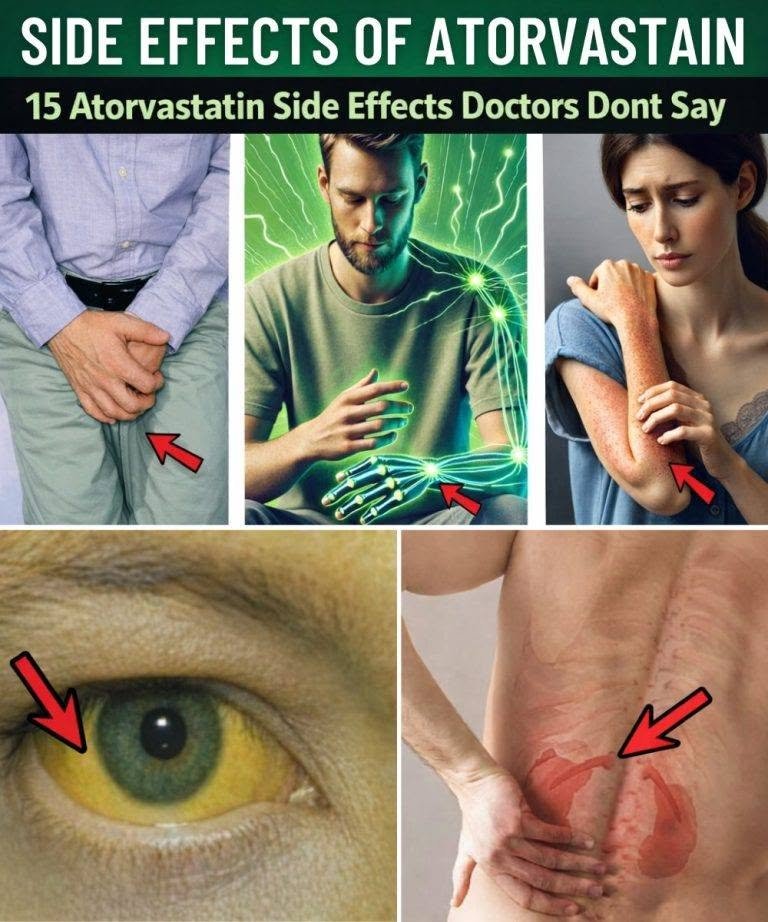
High cholesterol is one of the leading risk factors for heart disease and stroke, affecting millions of people worldwide. Fortunately, medications like atorvastatin have helped countless individuals lower their cholesterol levels and protect their heart health. If you’ve recently been prescribed atorvastatin or are about to refill your prescription, it’s worth understanding not only how this medication works but also the side effects you should be aware of. In this guide, we’ll explain what atorvastatin is, how it works, how to take it correctly, and the five potential side effects that deserve your attention.
What Is Atorvastatin?
Atorvastatin is a prescription medication that belongs to a class of drugs known as statins. Doctors commonly prescribe it to lower high cholesterol and reduce the risk of serious cardiovascular events, including heart attacks and strokes.
The medication primarily works by lowering low-density lipoprotein (LDL), often referred to as “bad cholesterol.” It also helps reduce triglyceride levels while increasing high-density lipoprotein (HDL), or “good cholesterol.”
Your healthcare provider may prescribe atorvastatin if you have:
- High LDL cholesterol
- Existing heart disease
- Diabetes with an increased risk of cardiovascular disease
- A history of heart attack or stroke
- A family history of high cholesterol
Because high cholesterol usually doesn’t cause noticeable symptoms, many people don’t realize they have it until routine blood tests reveal elevated levels. That’s why atorvastatin often becomes an essential part of long-term heart health management.
How Does Atorvastatin Work?
Most of the cholesterol in your body is produced by your liver. Atorvastatin works by blocking an enzyme called HMG-CoA reductase, which plays a key role in cholesterol production.
When this enzyme is inhibited:
- Your liver produces less cholesterol.
- The liver removes more LDL cholesterol from your bloodstream.
- Plaque buildup inside the arteries slows down.
- Blood flows more freely through the arteries.
- The risk of heart attack, stroke, and other cardiovascular complications decreases.
While atorvastatin doesn’t “cure” high cholesterol, it effectively manages cholesterol levels when combined with a healthy diet, regular exercise, and other positive lifestyle habits.
How to Take Atorvastatin Correctly
Taking atorvastatin correctly helps maximize its effectiveness while minimizing potential side effects.
Here are a few simple guidelines:
- Take it exactly as prescribed by your doctor.
- Most people take it once daily.
- It can be taken with or without food.
- Try taking it at the same time every day to help establish a routine.
- Swallow the tablet with water.
- Continue taking it even if you feel healthy, since high cholesterol often has no symptoms.
Doctors usually begin treatment with doses ranging from 10 mg to 20 mg daily, although some patients may require doses up to 80 mg depending on their cholesterol levels and cardiovascular risk.
Never stop taking atorvastatin without discussing it with your healthcare provider.
5 Potential Side Effects of Atorvastatin
Like any medication, atorvastatin can cause side effects. Fortunately, many people take it without experiencing significant problems. Still, it’s important to recognize symptoms that may require medical attention.
1. Muscle Pain or Weakness
One of the most commonly discussed side effects of atorvastatin is muscle discomfort.
Some people may experience:
- Muscle soreness
- Mild aches
- Weakness
- Fatigue during physical activity
In very rare cases, severe muscle pain accompanied by dark-colored urine may indicate a serious condition known as rhabdomyolysis, which requires immediate medical attention.
If muscle pain becomes severe or persistent, contact your healthcare provider promptly.
2. Liver Problems
Although uncommon, atorvastatin can occasionally affect liver function.
Watch for symptoms such as:
- Yellowing of the skin or eyes (jaundice)
- Dark urine
- Unusual fatigue
- Pain in the upper right side of the abdomen
- Loss of appetite
Doctors may recommend periodic blood tests to monitor liver function, particularly during the early stages of treatment.
3. Digestive Issues
Some people experience mild digestive side effects while their bodies adjust to the medication.
Common digestive symptoms include:
- Nausea
- Stomach discomfort
- Constipation
- Diarrhea
- Indigestion
These symptoms are usually temporary and often improve over time. Staying hydrated and maintaining a balanced diet may help reduce digestive discomfort.
4. Headache or Dizziness
Headaches and mild dizziness are also possible side effects.
These symptoms generally occur during the first few weeks of treatment and often resolve as your body adapts to the medication.
If dizziness becomes severe or interferes with daily activities, consult your healthcare provider.
5. Slight Increase in Blood Sugar Levels
Research has shown that statins, including atorvastatin, may slightly increase blood sugar levels in some individuals.
This is particularly relevant for people who already have risk factors for diabetes.
However, healthcare professionals generally agree that the cardiovascular benefits of atorvastatin far outweigh this small increase in diabetes risk for most patients.
Regular health checkups can help monitor blood sugar levels if necessary.
Important Precautions Before Taking Atorvastatin
Before starting atorvastatin, tell your doctor if you:
- Have liver disease
- Are pregnant or planning to become pregnant
- Are breastfeeding
- Drink large amounts of alcohol
- Have kidney disease
- Take other prescription medications or supplements
Certain medications can interact with atorvastatin and increase the likelihood of side effects. Your healthcare provider can review your medications to ensure they’re safe to take together.
It’s also advisable to avoid consuming large amounts of grapefruit juice, as it can increase the amount of atorvastatin in your bloodstream and raise the risk of muscle-related side effects.
When Should You Seek Medical Attention?
Although serious complications are uncommon, seek immediate medical care if you experience:
- Severe muscle pain or weakness
- Dark or cola-colored urine
- Yellowing of the skin or eyes
- Difficulty breathing
- Swelling of the face, lips, tongue, or throat
- Signs of a severe allergic reaction
Prompt medical evaluation can help prevent potentially serious complications.
Tips for Getting the Best Results
Medication works best when combined with healthy lifestyle choices.
Consider these heart-friendly habits:
- Eat a diet rich in fruits, vegetables, whole grains, and lean proteins.
- Limit saturated and trans fats.
- Exercise regularly, aiming for at least 150 minutes of moderate activity each week.
- Maintain a healthy weight.
- Avoid smoking.
- Limit alcohol consumption.
- Attend regular follow-up appointments with your healthcare provider.
These habits can improve cholesterol levels and further reduce your risk of heart disease.
Final Thoughts
Atorvastatin remains one of the most effective and widely prescribed medications for lowering cholesterol and protecting against heart disease and stroke. While most people tolerate it well, understanding its potential side effects empowers you to recognize warning signs early and use the medication safely.
If you’re due for your next prescription refill, take a moment to review how you’re taking your medication, stay alert for any unusual symptoms, and continue following your doctor’s recommendations. Combined with healthy lifestyle choices, atorvastatin can play a significant role in supporting long-term heart health and reducing your risk of cardiovascular disease.