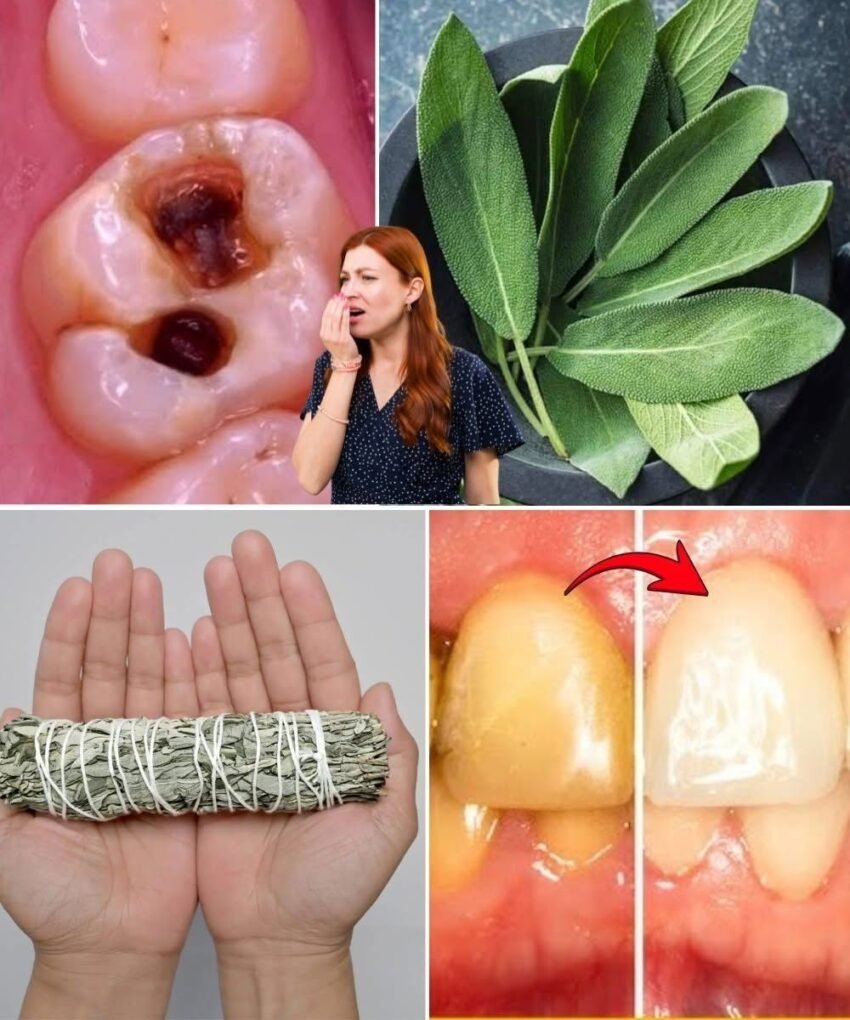
For centuries, sage leaves (Salvia officinalis) have been valued in traditional medicine for their healing properties. Rich in antioxidants, antibacterial compounds, and anti-inflammatory agents, sage can help support healthy teeth and gums when used as part of a good oral hygiene routine. While it should never replace brushing, flossing, or professional dental care, sage can be a beneficial natural addition to your oral health regimen. Here are six impressive oral-health benefits of sage leaves.
1. Helps Fight Harmful Oral Bacteria
One of the biggest benefits of sage leaves is their natural antibacterial activity. Sage contains compounds such as rosmarinic acid, cineole, and camphor, which may help reduce the growth of bacteria responsible for plaque buildup, cavities, and bad breath.
Using a sage mouth rinse may help keep your mouth cleaner and fresher between brushings.
2. Reduces Gum Inflammation
Swollen, red, and bleeding gums are common signs of gingivitis. Sage has anti-inflammatory properties that may help soothe irritated gum tissue and reduce inflammation.
Regular use of a cooled sage tea as a mouth rinse may provide temporary relief from mild gum discomfort while supporting healthier gums.
3. Freshens Breath Naturally
Persistent bad breath (halitosis) is often caused by bacteria in the mouth. Sage’s antibacterial effects, along with its pleasant herbal aroma, can help neutralize odor-causing bacteria and leave your breath feeling fresh.
Many natural oral care products include sage extract because of its refreshing properties.
4. May Help Reduce Plaque Formation
Plaque is a sticky film of bacteria that forms on teeth and can lead to cavities and gum disease if not removed.
Research suggests that the antimicrobial compounds in sage may help slow bacterial growth, reducing plaque formation when combined with regular brushing and flossing.
5. Supports Healing of Minor Mouth Irritations
Sage has traditionally been used to soothe minor mouth ulcers, sore gums, and small oral irritations. Its anti-inflammatory and antioxidant compounds may help calm irritated tissues and support the body’s natural healing process.
However, persistent sores or ulcers lasting more than two weeks should always be evaluated by a dentist or healthcare professional.
6. Rich in Antioxidants That Protect Oral Tissues
Sage contains powerful antioxidants, including flavonoids and phenolic acids, which help protect cells from oxidative stress. These antioxidants may contribute to healthier gums and oral tissues by reducing damage caused by free radicals.
A healthy antioxidant intake supports overall oral and general health.
How to Use Sage for Oral Health
You can enjoy sage’s oral-health benefits in several ways:
- Prepare a mild sage tea and use it as a mouth rinse after it has cooled.
- Use toothpaste or mouthwash containing sage extract.
- Add fresh or dried sage to your diet for its natural antioxidants.
- Gargle with sage tea to help soothe minor throat and mouth irritation.
Precautions
Although sage is generally safe in culinary amounts:
- Avoid swallowing large amounts of concentrated sage oil or extracts.
- Pregnant or breastfeeding women should consult a healthcare professional before using medicinal amounts of sage.
- People with epilepsy or certain medical conditions should seek medical advice before consuming concentrated sage supplements.
- Sage should complement—not replace—daily brushing, flossing, and regular dental checkups.
Final Thoughts
Sage leaves are more than just a flavorful kitchen herb. Their antibacterial, anti-inflammatory, and antioxidant properties make them a valuable natural aid for maintaining oral health. From fighting bacteria and freshening breath to supporting healthy gums, sage can be a useful addition to your daily oral care routine.