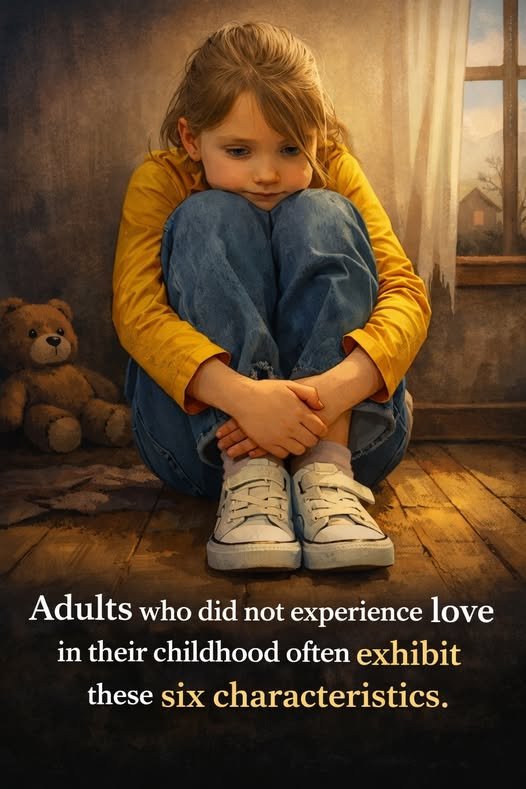
6 Traits Common in Adults Who Grew Up Without Affection
Growing up with little emotional warmth, physical affection, or consistent support can shape how people relate to themselves and others in adulthood. While experiences vary widely, some common patterns include:
1. Difficulty Trusting Others
Adults who lacked affection in childhood may find it hard to believe that others genuinely care about them. They may be cautious in relationships and take longer to open up emotionally.
2. Strong Need for Validation
Without consistent encouragement during formative years, some people seek reassurance from others to feel worthy, accepted, or successful.
3. Fear of Vulnerability
Expressing emotions or depending on others can feel risky. As a result, they may hide their feelings, avoid asking for help, or appear emotionally distant.
4. People-Pleasing Tendencies
Some adults learn to prioritize others’ needs in hopes of gaining approval, avoiding conflict, or maintaining relationships.
5. Low Self-Esteem
A lack of affection can contribute to feelings of inadequacy or self-doubt, making it harder to recognize personal strengths and accomplishments.
6. Difficulty Accepting Love and Care
Even when affection is offered, it may feel unfamiliar or uncomfortable. Compliments, kindness, and emotional support can sometimes be met with skepticism or discomfort.
Important Note
These traits are not universal, and having one or more of them does not necessarily mean someone grew up without affection. Human development is complex, and many people develop resilience, healthy relationships, and strong emotional skills despite difficult childhood experiences.
With self-awareness, supportive relationships, and sometimes professional guidance, people can build greater emotional security and healthier patterns throughout adulthood.