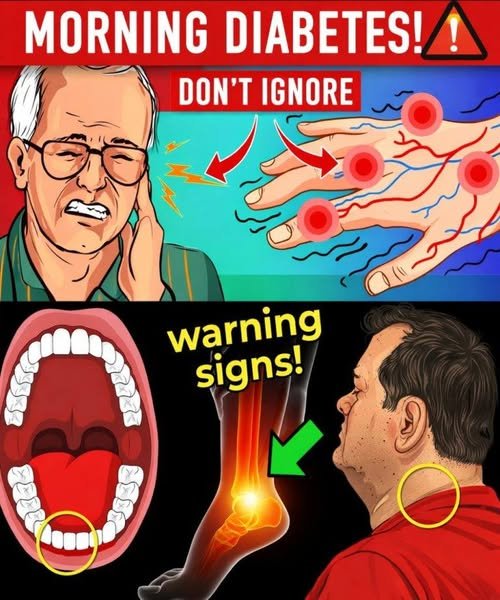
Your mornings can offer valuable clues about your blood sugar—but these signs aren’t specific to diabetes and should be evaluated in context.
Introduction
Do you wake up feeling unusually thirsty, exhausted, or with blurry vision? While an occasional rough morning isn’t unusual, persistent morning symptoms can sometimes be a sign that your blood sugar is consistently too high or too low.
Blood sugar levels naturally change overnight, influenced by hormones, diet, medications, and underlying health conditions. If diabetes or prediabetes is present, these changes may become more noticeable in the morning.
Here are seven morning signs that deserve attention—and when it’s time to talk with your healthcare provider.
1. You Wake Up Extremely Thirsty
One of the most common signs of high blood sugar is waking with intense thirst.
When blood glucose is elevated, your kidneys work harder to remove excess sugar through urine. This causes your body to lose more fluids, leaving you dehydrated by morning.
You may notice:
- A very dry mouth
- Cracked lips
- A strong urge to drink water immediately after waking
While dehydration can have many causes, persistent morning thirst should be discussed with a healthcare professional.
2. Frequent Morning Urination
If you regularly wake during the night or first thing in the morning needing to urinate, high blood sugar may be one possible reason.
Excess glucose pulls water into the urine, leading to increased urination.
Other conditions, including urinary tract problems, prostate enlargement, and certain medications, can also cause frequent urination.
3. Blurry Vision
High blood sugar can temporarily affect the shape of the eye’s lens by altering fluid balance, causing blurred vision.
Some people notice that their vision is:
- Fuzzy upon waking
- Slow to focus
- Better after blood sugar improves
Persistent or sudden vision changes should always be evaluated promptly.
4. Morning Headaches
Some people experience headaches after waking when blood sugar has been consistently high overnight. In others, headaches may be related to low blood sugar, especially if they take insulin or certain diabetes medications.
Morning headaches can also result from poor sleep, dehydration, high blood pressure, or sleep apnea, so they are not specific to blood sugar problems.
5. Feeling Extremely Tired Despite Sleeping
If you sleep through the night but still wake feeling exhausted, unstable blood sugar may be contributing.
When blood sugar remains elevated for long periods, your body’s cells have difficulty using glucose efficiently for energy, leaving you feeling fatigued.
However, fatigue has many possible causes, including anemia, thyroid disorders, depression, and sleep disorders.
6. Tingling or Numbness in Your Hands or Feet
Persistent high blood sugar over time can damage nerves, a condition known as diabetic neuropathy.
Early symptoms may include:
- Tingling
- Burning sensations
- Numbness
- “Pins and needles”
These symptoms may be especially noticeable after waking.
Because nerve symptoms can also result from vitamin deficiencies, nerve compression, or other neurological conditions, they should be medically evaluated.
7. Slow-Healing Cuts or Skin Problems
If you notice cuts, scrapes, or skin sores that seem slow to heal, especially on your feet, poorly controlled diabetes may be one possible cause.
High blood sugar can impair:
- Blood circulation
- Immune function
- Wound healing
Regular foot checks are especially important for people with diabetes.
Why Blood Sugar May Be High in the Morning
Several factors can contribute to elevated morning blood sugar, including:
- The dawn phenomenon, where early-morning hormones naturally increase blood sugar
- Eating large amounts of carbohydrates late in the evening
- Missing diabetes medications
- Illness or infection
- Stress
- Poorly controlled diabetes
Only monitoring your blood sugar and discussing patterns with your healthcare provider can determine the cause.
How to Keep Morning Blood Sugar Under Control
Healthy habits that may help include:
Eat a Balanced Evening Meal
Choose meals that include:
- Lean protein
- Fiber-rich vegetables
- Whole grains
- Healthy fats
Avoid excessive sugary snacks before bed unless advised otherwise.
Stay Active
Regular physical activity improves the body’s ability to use insulin effectively.
Aim for consistent exercise throughout the week, as recommended by your healthcare provider.
Take Medications as Prescribed
Never adjust insulin or diabetes medications without medical guidance.
Monitor Your Blood Sugar
If you have diabetes, checking your blood glucose as recommended can help identify overnight patterns and guide treatment decisions.
Prioritize Good Sleep
Poor sleep can affect hormone levels and make blood sugar harder to control.
Aim for consistent, high-quality sleep whenever possible.
When Should You See a Doctor?
Schedule a medical evaluation if you:
- Frequently wake with excessive thirst or urination
- Notice repeated morning blood sugar readings above your target range
- Experience unexplained blurry vision
- Have numbness or tingling that persists
- Develop wounds that heal slowly
- Feel consistently fatigued despite adequate sleep
Seek immediate medical care if you have very high blood sugar along with severe symptoms such as confusion, difficulty breathing, persistent vomiting, or severe dehydration.
Final Thoughts
Morning symptoms can provide useful clues about your health, but they do not confirm that your blood sugar is “out of control.” Many of these signs have multiple possible causes.
If you notice persistent morning thirst, frequent urination, blurred vision, fatigue, or numbness—especially if you have diabetes or risk factors for it—it’s important to discuss these symptoms with your healthcare provider. Early evaluation and appropriate treatment can help reduce the risk of long-term complications and support better overall health.
Disclaimer: This article is for educational purposes only and is not a substitute for professional medical advice, diagnosis, or treatment. Always consult a qualified healthcare professional about concerns regarding your blood sugar or diabetes management.