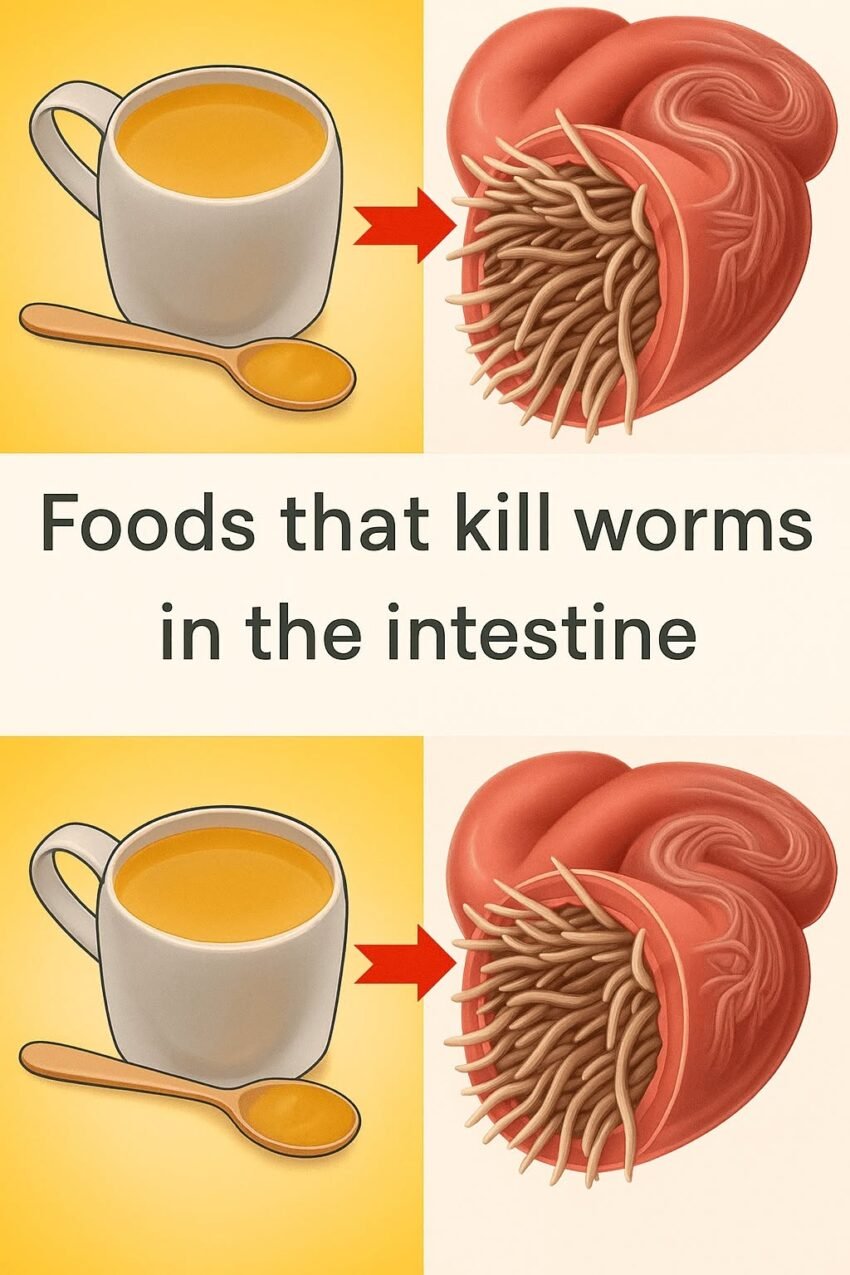
7 Foods That May Help Fight Intestinal Worms: What the Evidence Actually Says
Intestinal worms (parasites) affect millions of people worldwide. Common types include Ascariasis, Hookworm Infection, and Enterobiasis. While prescription deworming medications remain the most effective treatment, some foods contain natural compounds that have shown antiparasitic properties in laboratory studies or traditional medicine.
It’s important to understand that no food is guaranteed to kill intestinal worms in humans, and foods should not replace medical treatment when an infection is confirmed.
1. Garlic
Garlic has been used medicinally for centuries.
Why it’s thought to help
- Contains allicin and other sulfur compounds
- Shows antimicrobial and antiparasitic activity in laboratory studies
- May create a less favorable environment for some parasites
How people use it
- Raw garlic cloves
- Crushed garlic mixed into meals
- Garlic-infused foods
Evidence
Research suggests garlic compounds can affect certain parasites in laboratory settings, but strong clinical evidence in humans is limited.
2. Pumpkin Seeds
Pumpkin seeds are among the most commonly cited natural remedies for intestinal worms.
Why they’re thought to help
- Contain cucurbitacin
- Traditionally believed to paralyze certain worms, making them easier to expel
Additional benefits
- Rich in zinc
- Good source of healthy fats and fiber
- Supports overall digestive health
Evidence
Some animal and laboratory studies support antiparasitic effects, but results in humans are not conclusive.
3. Papaya Seeds
Papaya seeds are frequently mentioned in traditional parasite-cleansing remedies.
Why they’re thought to help
- Contain enzymes and plant compounds with potential antiparasitic activity
- May interfere with parasite survival
How they’re used
- Fresh seeds
- Dried and ground into powder
Evidence
Several small studies have suggested potential benefits, but more research is needed before they can be recommended as a treatment.
4. Coconut
Coconut has a long history in traditional medicine.
Why it’s thought to help
- Contains medium-chain fatty acids
- May possess antimicrobial properties
Forms used
- Fresh coconut
- Coconut milk
- Coconut oil
Evidence
Scientific evidence for directly eliminating intestinal worms in humans remains limited.
5. Pineapple
Pineapple contains the digestive enzyme bromelain.
Why it’s thought to help
- Bromelain may aid digestion
- Some laboratory research suggests enzymes could affect certain parasites
Additional benefits
- Rich in vitamin C
- Supports immune function
Evidence
Current evidence does not show pineapple alone reliably eliminates intestinal worms.
6. Carrots
Carrots are often included in traditional parasite-cleanse diets.
Why they’re thought to help
- High fiber content may support bowel movements
- Rich in beta-carotene and antioxidants
Additional benefits
- Supports digestive health
- Promotes a healthy gut environment
Evidence
No strong evidence shows carrots directly kill worms, but they may support digestive function.
7. Turmeric
Turmeric is widely known for its anti-inflammatory properties.
Why it’s thought to help
- Contains curcumin
- Shows antimicrobial and antiparasitic activity in laboratory studies
How it’s used
- Added to food
- Mixed into warm milk or drinks
Evidence
Laboratory findings are promising, but clinical evidence for treating intestinal worm infections is limited.
Signs of Intestinal Worms
Symptoms vary depending on the parasite but may include:
- Abdominal pain
- Diarrhea
- Nausea
- Bloating
- Gas
- Weight loss
- Fatigue
- Anemia
- Anal itching (especially at night)
- Visible worms in stool
Some people may have no symptoms at all.
Foods That Support Recovery
In addition to the foods above, a nutritious diet can help support recovery:
- High-fiber fruits and vegetables
- Lean protein sources
- Adequate water intake
- Fermented foods such as yogurt containing beneficial bacteria
These foods do not kill parasites but can help maintain digestive health.
What Actually Kills Intestinal Worms?
When an infection is confirmed, doctors commonly prescribe antiparasitic medications such as:
- Albendazole
- Mebendazole
- Praziquantel
These medicines are specifically designed to eliminate parasites and have much stronger evidence than dietary remedies.
Bottom Line
Foods such as Garlic, Pumpkin Seeds, Papaya Seeds, Coconut, Pineapple, Carrots, and Turmeric may have properties that help fight parasites or support digestive health. However, they should be viewed as supportive dietary measures rather than proven cures. If you suspect an intestinal worm infection, proper diagnosis and evidence-based treatment are the most reliable approach.