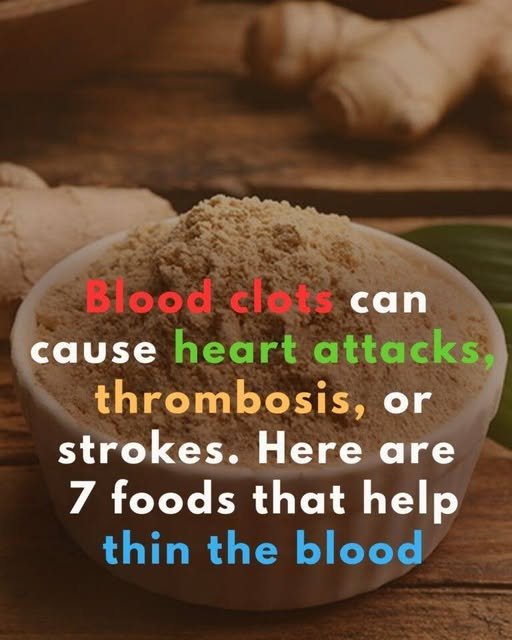
Healthy blood circulation is essential for delivering oxygen and nutrients throughout your body. While some foods contain natural compounds that may influence blood clotting or support heart health, they should not be considered substitutes for prescribed blood-thinning medications. If you take anticoagulants such as warfarin, apixaban, rivaroxaban, or other blood thinners, it’s important to talk to your healthcare provider before making significant dietary changes.
Here are seven foods that have been studied for their potential to support healthy circulation and cardiovascular health.
1. Garlic
Garlic has been used in traditional medicine for centuries. It contains sulfur compounds, including allicin, which may help support heart health and healthy blood vessel function.
Potential Benefits
- Supports healthy circulation
- May help maintain normal blood pressure
- Contains antioxidant compounds
- May have mild effects on platelet function
Easy Ways to Enjoy Garlic
- Add fresh garlic to soups and stews
- Mix into salad dressings
- Roast whole cloves as a side dish
- Use in stir-fries and pasta dishes
2. Ginger
Ginger is well known for its anti-inflammatory properties and has long been used to ease nausea and digestive discomfort.
Some studies suggest ginger may have mild effects on platelet activity, although more research is needed.
Benefits
- Supports overall cardiovascular health
- Contains natural antioxidants
- May help reduce inflammation
- Adds flavor without extra sodium
Enjoy ginger fresh, as tea, or in cooking.
3. Turmeric
Turmeric contains curcumin, a natural compound with antioxidant and anti-inflammatory properties.
Laboratory studies suggest curcumin may influence platelet function, but its effects in people can vary, and more research is needed.
Ways to Use Turmeric
- Add it to curries
- Blend into soups
- Sprinkle into roasted vegetables
- Stir into warm milk or tea
Combining turmeric with black pepper may improve curcumin absorption.
4. Fatty Fish
Fish such as salmon, sardines, mackerel, and trout are rich in omega-3 fatty acids, which support heart health.
Potential Benefits
- Supports healthy blood vessel function
- May help reduce inflammation
- Supports healthy cholesterol levels
- Promotes cardiovascular wellness
Experts generally recommend eating fish at least twice a week as part of a balanced diet.
5. Berries
Blueberries, strawberries, raspberries, and blackberries are packed with antioxidants called flavonoids.
These compounds may help support healthy blood vessels and reduce oxidative stress.
Benefits
- Rich in vitamin C
- High in fiber
- Supports vascular health
- Naturally low in calories
6. Tomatoes
Tomatoes provide lycopene, vitamin C, and potassium, all of which support heart health.
Research suggests that diets rich in tomatoes may contribute to healthy blood vessel function.
Enjoy them:
- Fresh in salads
- Cooked into sauces
- Roasted
- Added to sandwiches
Cooking tomatoes can increase the availability of lycopene.
7. Nuts and Seeds
Walnuts, almonds, flaxseeds, and chia seeds contain healthy fats, fiber, and antioxidants that support cardiovascular health.
Flaxseeds and chia seeds are also good plant sources of omega-3 fatty acids.
Great Choices
- Walnuts
- Almonds
- Chia seeds
- Flaxseeds
- Pumpkin seeds
A small handful makes a nutritious snack.
Other Foods That Support Heart and Blood Vessel Health
A heart-healthy eating pattern includes plenty of:
- Leafy green vegetables
- Whole grains
- Beans and lentils
- Citrus fruits
- Olive oil
- Avocados
Rather than relying on a single “superfood,” focus on eating a variety of nutrient-rich foods.
Healthy Lifestyle Habits for Better Circulation
Diet is only one part of maintaining healthy blood flow.
To support your cardiovascular system:
- Exercise regularly.
- Stay hydrated.
- Avoid smoking.
- Maintain a healthy weight.
- Manage blood pressure, cholesterol, and diabetes.
- Get enough sleep.
- Limit highly processed foods high in sodium and added sugars.
Important Safety Information
Although these foods are generally healthy, some contain compounds that may affect blood clotting.
Speak with your healthcare provider before significantly increasing your intake if you:
- Take blood-thinning medications (such as warfarin, apixaban, rivaroxaban, dabigatran, or clopidogrel)
- Have a bleeding disorder
- Are preparing for surgery or dental procedures
- Take herbal supplements that may also affect clotting
Do not stop or adjust prescribed blood-thinning medication without medical advice.
Final Thoughts
Garlic, ginger, turmeric, fatty fish, berries, tomatoes, and nuts are nutritious foods that may support heart health and healthy circulation as part of a balanced diet. While some contain natural compounds that may mildly influence blood clotting, they are not replacements for prescribed anticoagulant medications.
The best way to protect your cardiovascular health is through a combination of healthy eating, regular physical activity, and appropriate medical care. If you have concerns about blood clotting or circulation, consult your healthcare provider for personalized advice.
Disclaimer: This article is for educational purposes only and should not be considered medical advice. Always consult your healthcare provider before making significant dietary changes or taking supplements, especially if you are taking blood-thinning medications or have a medical condition.