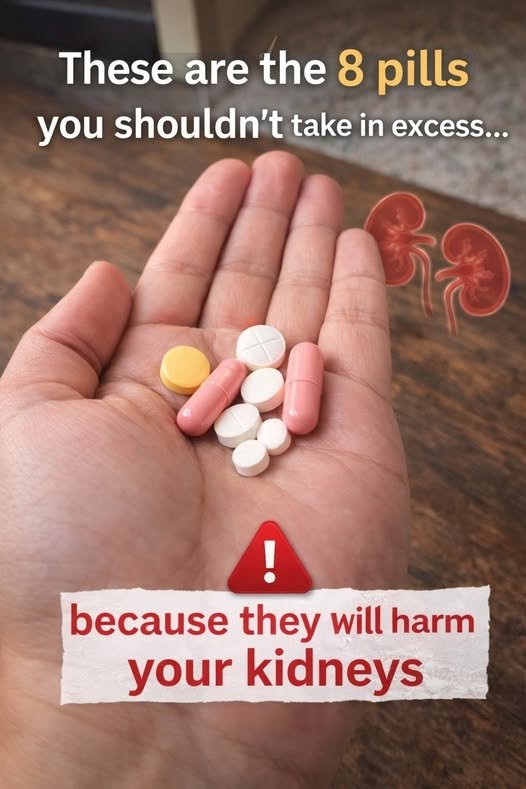
Your kidneys work around the clock to filter waste, balance fluids, regulate blood pressure, and help keep your body functioning properly. Because they process many of the medications we take, excessive or improper use of certain drugs can place extra strain on these vital organs.
It’s important to remember that these medications are safe and effective when used as directed by a healthcare professional or according to the label. Problems are more likely to arise when they’re taken in higher-than-recommended doses, for longer than advised, or without appropriate medical supervision.
Here are eight common medications that deserve extra care when it comes to kidney health.
1. Non-Steroidal Anti-Inflammatory Drugs (NSAIDs)
Pain relievers such as ibuprofen, naproxen, and diclofenac are commonly used for headaches, muscle pain, arthritis, and fever. While effective, frequent or high-dose use can reduce blood flow to the kidneys, increasing the risk of kidney injury—particularly in older adults or people with existing kidney disease, heart failure, or dehydration.
Use them safely:
- Take the lowest effective dose for the shortest possible time.
- Stay well hydrated.
- Speak with your doctor before using NSAIDs regularly.
2. Aspirin
Low-dose aspirin is often prescribed to reduce the risk of heart attack or stroke and is generally considered safe when taken as directed. However, taking large doses for pain relief over long periods may increase the risk of kidney problems and stomach bleeding.
Use it safely:
- Follow your healthcare provider’s instructions.
- Avoid increasing the dose without medical advice.
3. Certain Antibiotics
Some antibiotics, including aminoglycosides and certain intravenous antibiotics, can affect kidney function, especially when used for extended periods or at high doses. The risk is higher in people with pre-existing kidney disease.
Use them safely:
- Complete the prescribed course.
- Never use leftover antibiotics or someone else’s prescription.
- Inform your healthcare provider if you have kidney disease.
4. Proton Pump Inhibitors (PPIs)
Medicines such as omeprazole, esomeprazole, and pantoprazole help treat acid reflux and stomach ulcers. Long-term use has been associated with an increased risk of certain kidney conditions in some studies, although the overall risk remains relatively low.
Use them safely:
- Take them only for as long as recommended.
- Review long-term treatment with your healthcare provider.
5. Diuretics (“Water Tablets”)
Diuretics are prescribed to treat high blood pressure, heart failure, and fluid retention. While beneficial when used correctly, excessive use or misuse can lead to dehydration and electrolyte imbalances that may affect kidney function.
Use them safely:
- Take only the prescribed dose.
- Follow your clinician’s advice about fluid intake.
- Attend recommended blood tests to monitor kidney function.
6. Laxatives
Occasional use of laxatives is usually safe, but frequent or excessive use can cause dehydration and changes in electrolyte levels, both of which may place stress on the kidneys.
Use them safely:
- Use laxatives only as directed.
- Increase dietary fibre and fluids where appropriate.
- Seek medical advice if constipation persists.
7. Some Antiviral Medications
Certain antiviral medicines, particularly effective medication for bipolar disorder and some other mental health conditions. However, long-term treatment can affect kidney function in some people, making those used to treat chronic viral infections, may require dose adjustments in people with reduced kidney function. In some cases, they can affect the kidneys if not monitored appropriately.
Use them safely:
- Take the medication exactly as prescribed.
- Attend follow-up appointments and blood tests if recommended.
8. Lithium
Lithium is an effective medication for bipolar disorder and some other mental health conditions. However, long-term treatment can affect kidney function in some people, making regular monitoring essential.
Use it safely:
- Never stop lithium without medical advice.
- Attend routine blood tests to monitor lithium levels and kidney function.
- Stay adequately hydrated, especially during hot weather or illness.
Who Is Most at Risk?
Some people are more likely to develop medication-related kidney problems, including:
- Adults over the age of 65.
- People with chronic kidney disease.
- Individuals with diabetes or high blood pressure.
- Those who are dehydrated.
- People taking several medications at the same time.
Tips for Protecting Your Kidneys
Simple habits can help reduce your risk of medication-related kidney damage:
- Always follow the recommended dose.
- Avoid taking more than one medication containing the same active ingredient.
- Drink enough water unless your healthcare provider has advised otherwise.
- Tell your doctor or pharmacist about every medicine and supplement you take., unexplained fatigue, severe back pain near the kidneys, or blood in the urine. While these symptoms don’t always indicate kidney damage, they should be assessed
- Have your kidney function checked if you take long-term medications that require monitoring.
- Never stop or change a prescribed medication without consulting your healthcare provider.
When to Seek Medical Advice
Contact a healthcare professional promptly if you notice symptoms such as reduced urination, swelling of the legs or ankles, persistent nausea, unexplained fatigue, severe back pain near the kidneys, or blood in the urine. While these symptoms don’t always indicate kidney damage, they should be assessed.
Final Thoughts
Medications play a crucial role in treating illness and improving quality of life, but using them responsibly is just as important as taking them. Most medicines are safe when used correctly, yet taking excessive doses or using them for longer than recommended can increase the risk of kidney problems. If you’re unsure whether a medication could affect your kidneys, your doctor or pharmacist can help you weigh the benefits and risks and ensure it’s appropriate for your individual health needs.