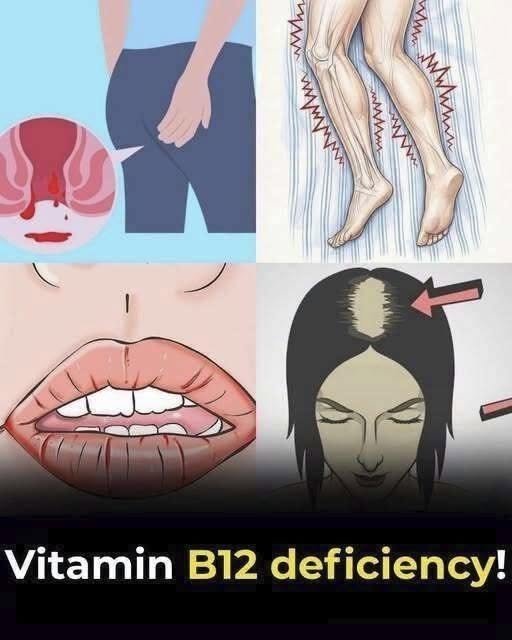
Vitamin B12 is an essential nutrient that helps your body produce red blood cells, maintain healthy nerves, and support DNA production. Because your body cannot make vitamin B12 on its own, you must get it from foods such as meat, fish, eggs, dairy products, or fortified foods—or supplements if recommended by a healthcare professional.
A vitamin B12 deficiency can develop slowly, and its symptoms are often mistaken for aging, stress, or other health conditions. Here are eight unusual signs that may indicate your body needs more vitamin B12.
1. Persistent Fatigue and Weakness
Feeling exhausted even after a full night’s sleep is one of the most common signs of vitamin B12 deficiency.
Without enough B12, your body cannot produce healthy red blood cells efficiently. This can reduce the amount of oxygen delivered to your muscles and organs, leaving you feeling:
- Constantly tired
- Weak
- Short of breath during normal activities
- Low on energy throughout the day
2. Tingling or Numbness in Hands and Feet
A “pins and needles” sensation in your hands, feet, or legs can occur when low vitamin B12 affects your nerves.
Over time, deficiency may damage the protective covering around nerves (myelin), leading to:
- Tingling
- Numbness
- Burning sensations
- Difficulty sensing touch or temperature
If these symptoms appear suddenly or are severe, seek prompt medical evaluation, as they can have many causes.
3. Memory Problems and Brain Fog
Difficulty concentrating or remembering everyday things may be linked to low vitamin B12.
People sometimes notice:
- Forgetfulness
- Trouble focusing
- Mental confusion
- Feeling mentally “foggy”
These symptoms become more common with prolonged deficiency but can also result from many other medical conditions.
4. Pale or Yellowish Skin
Vitamin B12 deficiency can reduce healthy red blood cell production, making your skin appear:
- Pale
- Washed out
- Slightly yellow
Yellowing may occur because fragile red blood cells break down more easily, increasing bilirubin levels.
5. Balance Problems and Dizziness
Healthy nerves help maintain coordination and balance.
When vitamin B12 levels become very low, some people experience:
- Frequent dizziness
- Unsteady walking
- Poor coordination
- Increased risk of falls
Older adults may be especially vulnerable to these symptoms.
6. Mouth Problems
Changes inside your mouth can sometimes signal vitamin B12 deficiency, including:
- A swollen, smooth, or bright red tongue (glossitis)
- Mouth ulcers
- Burning mouth sensation
- Pain while eating or speaking
These symptoms often improve once the underlying deficiency is treated.
7. Mood Changes
Vitamin B12 plays a role in normal nervous system function.
Some people with deficiency report:
- Depression
- Irritability
- Anxiety
- Mood swings
While B12 deficiency may contribute to mood symptoms in some individuals, it is not the only cause, and mental health symptoms deserve proper medical assessment.
8. Vision Changes
In rare but serious cases, prolonged vitamin B12 deficiency can affect the optic nerve.
Possible symptoms include:
- Blurred vision
- Double vision
- Reduced eyesight
- Difficulty seeing clearly
These changes require prompt medical attention because early treatment offers the best chance of recovery.
Who Is Most at Risk?
Certain people are more likely to develop vitamin B12 deficiency, including:
- Adults over age 60
- Vegetarians and vegans who do not consume fortified foods or supplements
- People with digestive disorders such as Crohn’s disease or celiac disease
- Individuals who have had stomach or intestinal surgery
- People taking certain medications, including long-term metformin or acid-reducing medications
- People with pernicious anemia
Foods Rich in Vitamin B12
Good dietary sources include:
- Beef and liver
- Fish such as salmon, tuna, and trout
- Shellfish like clams
- Eggs
- Milk, yogurt, and cheese
- Fortified breakfast cereals
- Fortified plant-based milks
When to See a Doctor
If you experience persistent fatigue, numbness, memory changes, balance problems, or other symptoms listed above, consult a healthcare professional. A simple blood test can often determine whether vitamin B12 deficiency is present.
Do not start high-dose vitamin B12 supplements solely based on symptoms, as similar symptoms can result from other conditions that require different treatment.
Final Thoughts
Vitamin B12 is essential for healthy blood cells, nerve function, and brain health. Because deficiency often develops gradually, recognizing the warning signs early can help prevent complications. If you suspect you may be low in vitamin B12, seek medical advice for proper testing and treatment rather than relying on symptoms alone.