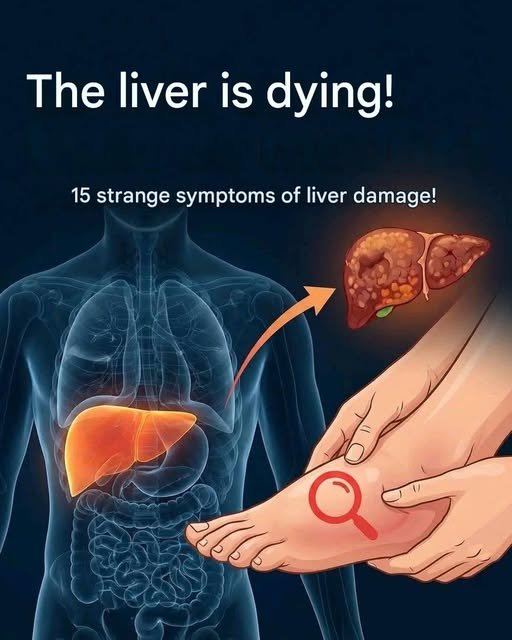
The liver is one of the hardest-working organs in your body. It performs more than 500 essential functions, including filtering harmful substances from the blood, producing bile for digestion, storing nutrients, regulating blood sugar, and metabolizing fats, proteins, and carbohydrates.
Many people blame a “toxic liver” for unexplained weight gain, but the reality is more complex. The liver does help process fats and regulate metabolism, yet weight gain is usually caused by multiple factors, such as diet, physical inactivity, hormones, genetics, and certain medical conditions. Some liver diseases—particularly nonalcoholic fatty liver disease (NAFLD)—are linked with obesity and metabolic health, but the liver does not literally become “full of toxins.”
If your liver isn’t functioning properly, your body may send warning signals. Recognizing these signs early can help you seek medical care before serious complications develop.
What Does the Liver Actually Do?
Located in the upper right side of the abdomen, the liver is responsible for:
- Filtering waste products from the bloodstream
- Breaking down medications and alcohol
- Producing bile to digest fats
- Regulating cholesterol levels
- Storing vitamins and minerals
- Controlling blood sugar
- Producing proteins needed for blood clotting
- Supporting the immune system
When liver function becomes impaired, many systems throughout the body can be affected.
1. Unexplained Weight Gain
One of the earliest signs associated with metabolic liver problems is gradual weight gain, especially around the abdomen.
People with fatty liver disease often develop insulin resistance, making it easier for the body to store excess calories as fat. This can create a cycle where weight gain worsens liver health, and poor liver health contributes to further metabolic problems.
You may notice:
- Increasing waist size
- Difficulty losing weight despite dieting
- Increased belly fat
- Fatigue during exercise
Weight gain alone doesn’t mean your liver is unhealthy, but if it’s accompanied by other symptoms, it’s worth discussing with your healthcare provider.
2. Persistent Fatigue
Feeling exhausted even after getting enough sleep is one of the most common symptoms reported by people with chronic liver disease.
Researchers aren’t entirely sure why this happens, but inflammation, hormonal changes, and altered metabolism likely contribute.
Signs include:
- Low energy
- Difficulty concentrating
- Feeling physically weak
- Needing frequent naps
3. Pain or Discomfort in the Upper Right Abdomen
Because the liver sits beneath the right rib cage, inflammation or enlargement may cause discomfort.
The pain may feel like:
- Dull aching
- Pressure
- Fullness
- Tenderness under the ribs
Persistent abdominal pain should always be evaluated by a healthcare professional.
4. Yellowing of the Skin or Eyes (Jaundice)
Jaundice occurs when bilirubin builds up in the bloodstream because the liver cannot process it effectively.
Symptoms include:
- Yellow skin
- Yellow whites of the eyes
- Dark urine
- Pale-colored stools
Jaundice requires prompt medical evaluation because it can indicate significant liver disease or bile duct obstruction.
5. Swollen Abdomen or Legs
As liver disease progresses, fluid can accumulate in the body.
You may notice:
- Swollen ankles
- Puffy feet
- Enlarged abdomen (ascites)
- Rapid weight gain from fluid retention
These symptoms can indicate advanced liver disease and should not be ignored.
6. Digestive Problems
A struggling liver can affect digestion because it produces bile, which helps break down dietary fats.
Symptoms may include:
- Nausea
- Poor appetite
- Feeling full quickly
- Bloating
- Indigestion
- Difficulty digesting fatty meals
While these symptoms are common and often have other causes, persistent digestive issues deserve medical attention.
7. Itchy Skin
Persistent itching without an obvious rash can sometimes occur in liver disease.
Experts believe this may result from bile salts accumulating beneath the skin when bile flow is impaired.
The itching may:
- Be widespread
- Worsen at night
- Not improve with moisturizers
- Occur without visible skin changes
8. Easy Bruising or Bleeding
The liver produces proteins needed for normal blood clotting.
When liver function declines, people may experience:
- Frequent bruises
- Nosebleeds
- Bleeding gums
- Cuts that bleed longer than usual
These symptoms can indicate reduced production of clotting factors and should be evaluated promptly.
Who Is at Higher Risk for Liver Problems?
Certain factors increase the risk of liver disease:
- Obesity
- Type 2 diabetes
- High cholesterol or triglycerides
- Heavy alcohol use
- Viral hepatitis
- Certain medications
- Family history of liver disease
- Metabolic syndrome
If you have one or more of these risk factors, regular checkups and liver function testing may be recommended by your healthcare provider.
How to Support a Healthy Liver
The liver naturally removes waste products from the body—special “detox” diets or cleanses are generally unnecessary and have not been shown to improve liver function. Instead, focus on habits that support overall liver health:
Maintain a Healthy Weight
Even modest weight loss can reduce excess fat in the liver for people with fatty liver disease.
Eat a Balanced Diet
Choose:
- Fruits
- Vegetables
- Whole grains
- Lean proteins
- Beans and legumes
- Healthy fats such as olive oil and nuts
Limit:
- Sugary drinks
- Highly processed foods
- Excess saturated fat
- Excess alcohol
Exercise Regularly
Aim for at least 150 minutes of moderate physical activity per week, along with strength training on two or more days.
Stay Hydrated
Drinking enough water supports overall health, though it does not “flush toxins” from the liver.
Use Medications Carefully
Always follow dosing instructions and avoid combining medications or supplements that can harm the liver without medical guidance.
Get Vaccinated
Vaccines are available for hepatitis A and hepatitis B, which can help protect your liver.
When Should You See a Doctor?
Seek medical advice if you experience:
- Yellowing of the skin or eyes
- Persistent abdominal pain
- Swelling of the abdomen or legs
- Severe fatigue lasting several weeks
- Dark urine or pale stools
- Unexplained weight loss or gain
- Easy bruising or bleeding
- Persistent nausea or vomiting
Your healthcare provider may recommend blood tests, imaging (such as an ultrasound), or other evaluations to determine the cause.
Final Thoughts
The liver is remarkably resilient, but it can be affected by conditions such as fatty liver disease, viral hepatitis, excessive alcohol use, and certain medications. While it’s a myth that the liver simply becomes “full of toxins,” poor liver function can contribute to symptoms such as fatigue, digestive problems, and metabolic changes. Weight gain is often linked to underlying metabolic conditions that also affect the liver, rather than toxin buildup itself.
The best way to protect your liver is through a healthy lifestyle, regular physical activity, a balanced diet, limiting alcohol, and managing conditions like diabetes and high cholesterol. If you notice warning signs such as jaundice, persistent abdominal pain, swelling, or unusual fatigue, don’t ignore them—early diagnosis and treatment can make a significant difference in long-term liver health.