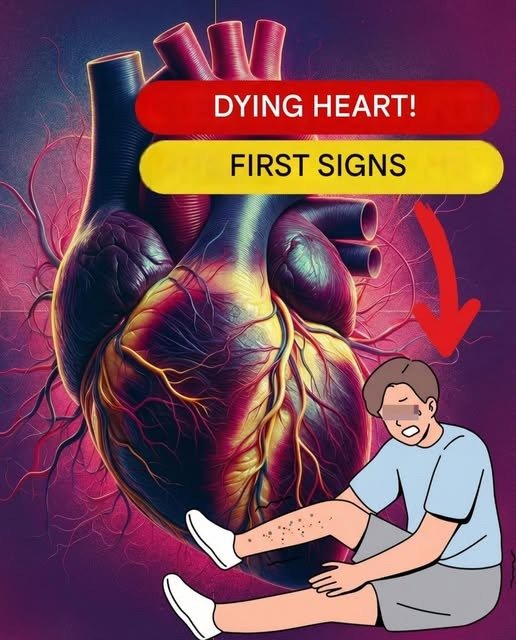
Your Body Is Warning You: 6 Signs Your Heart Needs Help
Your heart works continuously to pump blood and oxygen throughout your body. When it’s struggling, your body often sends warning signals. Recognizing these symptoms early can help prevent serious complications.
1. Chest Pain, Pressure, or Discomfort
One of the most common signs of heart trouble is chest discomfort. It may feel like:
- Pressure, squeezing, tightness, or fullness in the chest
- Burning or heaviness
- Pain that comes and goes or lasts several minutes
The discomfort may worsen during physical activity or emotional stress and improve with rest. Some people, especially women, older adults, and people with diabetes, may experience only mild discomfort rather than severe pain.
Seek emergency care if:
- Chest pain is severe, sudden, or lasts more than a few minutes
- It occurs with shortness of breath, sweating, nausea, or dizziness
2. Shortness of Breath
If your heart cannot pump blood efficiently, fluid can build up in the lungs, making breathing difficult.
You may notice:
- Becoming winded during routine activities
- Difficulty climbing stairs
- Needing extra pillows to sleep comfortably
- Waking up at night gasping for air
Shortness of breath can be an early sign of heart failure, coronary artery disease, or heart valve problems.
3. Unusual Fatigue or Weakness
Everyone gets tired, but heart-related fatigue is different.
Warning signs include:
- Feeling exhausted after simple tasks
- Extreme tiredness that doesn’t improve with rest
- A sudden decrease in energy levels
- Difficulty completing activities you previously handled easily
This symptom is particularly common in women before a heart attack.
4. Irregular Heartbeat or Heart Palpitations
A healthy heart beats in a regular rhythm. If you notice:
- Racing heartbeat
- Fluttering sensations
- Skipped beats
- Sudden pounding in the chest
it may indicate an abnormal heart rhythm (arrhythmia).
While occasional palpitations are often harmless, frequent episodes—especially when accompanied by dizziness, chest pain, or fainting—should be evaluated by a healthcare professional.
5. Swelling in the Legs, Ankles, Feet, or Abdomen
When the heart’s pumping ability weakens, blood and fluid can back up in the body.
Common signs include:
- Swollen ankles or feet
- Tight shoes that suddenly feel uncomfortable
- Puffiness in the lower legs
- Unexplained weight gain from fluid retention
- Abdominal swelling
These symptoms may indicate heart failure or other cardiovascular conditions.
6. Dizziness, Lightheadedness, or Fainting
The brain depends on a steady supply of oxygen-rich blood. If the heart isn’t pumping effectively, you may experience:
- Frequent dizziness
- Feeling faint when standing up
- Sudden episodes of lightheadedness
- Loss of consciousness (fainting)
These symptoms can result from heart rhythm disorders, low blood pressure, heart valve disease, or other heart conditions.
Additional Symptoms That Shouldn’t Be Ignored
Some people experience less obvious warning signs, including:
- Pain in the jaw, neck, shoulders, back, or arms
- Cold sweats
- Nausea or vomiting
- Persistent coughing or wheezing
- Difficulty exercising
- Bluish or pale skin color
Risk Factors That Increase Heart Disease Risk
You may be at higher risk if you have:
- High blood pressure
- High cholesterol
- Diabetes
- Obesity
- Smoking habits
- Physical inactivity
- A family history of heart disease
- Chronic stress
- Excessive alcohol consumption
When to Call Emergency Services
Seek immediate medical attention if you experience:
- Chest pain or pressure lasting several minutes
- Severe shortness of breath
- Fainting
- Sudden weakness on one side of the body
- Chest discomfort accompanied by sweating, nausea, or pain spreading to the arm, jaw, neck, or back
Early treatment can save heart muscle and significantly improve outcomes.
Your body often provides warning signs before a major heart event. Paying attention to these symptoms and getting medical evaluation when needed can help protect your long-term heart health.