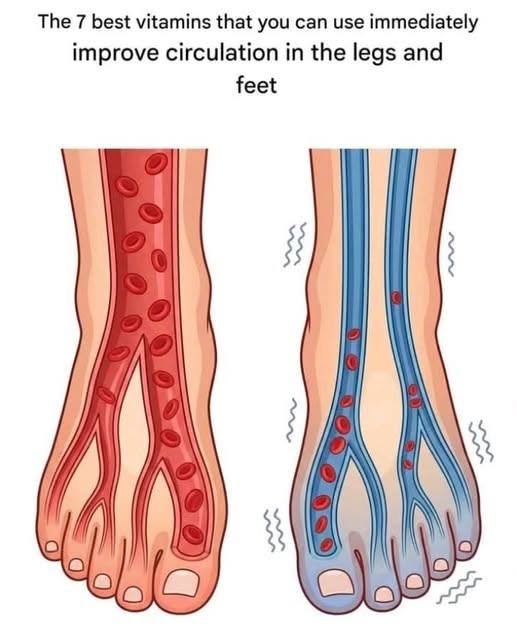
Learn what poor circulation is, what causes it, its warning signs, and the best ways to improve blood flow through lifestyle changes, medical treatments, and healthy habits.
Poor Circulation: Understanding the Causes, Symptoms, and How to Improve Blood Flow
Poor circulation is a common health concern that affects millions of people worldwide. While it isn’t a disease itself, it is often a sign of an underlying medical condition that reduces the efficient flow of blood throughout the body. Healthy circulation is essential because blood delivers oxygen and nutrients to every organ, muscle, and tissue while carrying away waste products.
When blood doesn’t circulate properly, different parts of the body may not receive the oxygen and nutrients they need to function well. This can lead to discomfort, reduced mobility, slow healing, and, in some cases, serious complications if left untreated.
In this guide, you’ll learn what poor circulation is, its common causes, symptoms, risk factors, treatment options, and practical lifestyle changes that can help support healthy blood flow.
What Is Poor Circulation?
Poor circulation occurs when blood cannot move efficiently through your arteries and veins. This reduced blood flow can affect your hands, feet, legs, arms, and sometimes even vital organs.
The circulatory system consists of the heart, blood vessels, and blood. Your heart pumps oxygen-rich blood through arteries to the body, while veins return oxygen-poor blood back to the heart. Any condition that affects this process can lead to circulation problems.
Poor circulation can develop gradually or occur suddenly, depending on its cause.
Why Healthy Blood Circulation Matters
Healthy circulation helps:
- Deliver oxygen to organs and muscles.
- Supply nutrients needed for cell repair.
- Remove waste products from tissues.
- Support brain function.
- Maintain healthy skin.
- Help wounds heal properly.
- Regulate body temperature.
- Support heart health.
Without proper circulation, tissues may not function as they should.
Common Causes of Poor Circulation
1. Peripheral Artery Disease (PAD)
One of the most common causes of poor circulation is Peripheral Artery Disease. In this condition, fatty deposits called plaque build up inside the arteries, narrowing them and reducing blood flow, especially to the legs and feet.
People with PAD may experience pain while walking that improves with rest.
2. Diabetes
High blood sugar over time can damage blood vessels and nerves, increasing the risk of poor circulation, particularly in the feet and legs. This is one reason regular foot care is important for people with diabetes.
3. High Blood Pressure
Persistently high blood pressure can damage artery walls, making them less flexible and increasing the risk of narrowed arteries and reduced blood flow.
4. High Cholesterol
Excess cholesterol can contribute to plaque buildup inside blood vessels, making it harder for blood to flow freely.
5. Smoking
Smoking damages blood vessels, reduces oxygen in the blood, and increases the risk of blood clots and artery disease. Quitting smoking is one of the most effective ways to improve long-term vascular health.
6. Obesity
Carrying excess body weight places additional strain on the heart and blood vessels and increases the risk of conditions such as diabetes and high blood pressure.
7. Lack of Physical Activity
Sitting for long periods reduces muscle activity that normally helps pump blood back toward the heart, especially from the legs.
8. Varicose Veins
Damaged valves in the leg veins can cause blood to pool, leading to swelling, aching, and visible enlarged veins.
9. Heart Disease
Conditions that reduce the heart’s ability to pump blood effectively can result in poor circulation throughout the body.
10. Raynaud’s Phenomenon
This condition causes small blood vessels in the fingers and toes to narrow temporarily, often in response to cold temperatures or stress, leading to color changes and discomfort.
Signs and Symptoms of Poor Circulation
Symptoms vary depending on the underlying cause but may include:
- Cold hands and feet
- Numbness or tingling
- Muscle cramps
- Leg pain while walking
- Swelling in the ankles or feet
- Slow-healing wounds
- Dry or shiny skin
- Hair loss on the legs
- Weakness or fatigue
- Blue or pale skin color in affected areas
- Reduced sensation in the feet
- Weak pulses in the legs or feet
Some people have mild symptoms, while others may experience more significant limitations.
Risk Factors
Your risk of poor circulation increases if you:
- Smoke
- Have diabetes
- Have high blood pressure
- Have high cholesterol
- Are overweight or obese
- Are physically inactive
- Are older
- Have a family history of cardiovascular disease
How Is Poor Circulation Diagnosed?
A healthcare professional may:
- Review your symptoms and medical history.
- Perform a physical examination.
- Check your blood pressure and pulses.
- Order blood tests to assess blood sugar and cholesterol.
- Measure the ankle-brachial index (ABI), which compares blood pressure in the ankle and arm.
- Recommend imaging tests such as ultrasound, CT angiography, or MRI if needed.
How to Improve Poor Circulation
1. Exercise Regularly
Regular physical activity helps strengthen the heart and improve blood flow.
Good options include:
- Walking
- Swimming
- Cycling
- Yoga
- Stretching
Aim for at least 150 minutes of moderate-intensity exercise each week, or follow your healthcare provider’s recommendations.
2. Eat a Heart-Healthy Diet
Focus on foods that support cardiovascular health, including:
- Leafy green vegetables
- Berries
- Citrus fruits
- Whole grains
- Beans and lentils
- Nuts and seeds
- Fatty fish such as salmon
- Olive oil
Limit foods high in saturated fat, trans fat, added sugar, and sodium.
3. Stay Hydrated
Drinking enough water supports normal circulation and overall health. Your fluid needs vary depending on your age, activity level, climate, and health conditions.
4. Quit Smoking
Stopping smoking can improve blood vessel function and reduce the risk of further damage over time. If you need help quitting, speak with a healthcare professional about available support.
5. Maintain a Healthy Weight
Losing excess weight, if appropriate, can reduce strain on the heart and improve circulation.
6. Manage Stress
Chronic stress can affect blood pressure and heart health. Techniques such as meditation, deep breathing, regular exercise, and adequate sleep may help manage stress.
7. Elevate Your Legs
If you experience leg swelling due to venous problems, elevating your legs above heart level for short periods may help. Ask your healthcare provider if this is appropriate for your situation.
8. Wear Compression Stockings
Compression stockings may help some people with venous circulation problems by improving blood flow in the legs. They should be used under the guidance of a healthcare professional, especially if you have arterial disease.
9. Manage Underlying Conditions
Keeping diabetes, high blood pressure, and high cholesterol under good control can reduce the risk of worsening circulation problems.
10. Take Prescribed Medications
Depending on the cause, your healthcare provider may prescribe medications to:
- Lower cholesterol
- Control blood pressure
- Manage diabetes
- Prevent blood clots
- Improve blood flow in certain conditions
Always take medications as directed.
Can Natural Remedies Help?
Some foods and spices, including ginger, turmeric, garlic, cinnamon, and citrus fruits, are often included in heart-healthy diets. While they may contribute to an overall balanced eating pattern, there is no strong evidence that any single food or homemade drink can cure poor circulation. They should not replace medical treatment for conditions such as peripheral artery disease or diabetes.
When to Seek Medical Attention
Contact a healthcare professional if you have:
- Persistent numbness or tingling
- Pain in your legs when walking
- Frequent cold hands or feet
- Swelling that does not improve
- Slow-healing sores or ulcers
- Skin color changes
- Symptoms that interfere with daily activities
Seek emergency medical care immediately if you experience:
- Sudden severe pain in a limb
- A limb that becomes cold, pale, or blue
- Chest pain
- Shortness of breath
- Sudden weakness, difficulty speaking, or facial drooping
Frequently Asked Questions
Can poor circulation be reversed?
In some cases, improving lifestyle habits and treating the underlying condition can significantly improve circulation. However, the outcome depends on the cause and how advanced it is.
Is walking good for poor circulation?
Yes. Walking is often one of the best exercises for improving circulation in the legs, particularly when done regularly and as advised by a healthcare provider.
Does drinking more water improve circulation?
Staying hydrated supports normal blood volume and overall cardiovascular function, but hydration alone is unlikely to resolve poor circulation caused by conditions such as blocked arteries.
Are cold hands always a sign of poor circulation?
Not always. Cold hands can result from cold environments, stress, certain medications, or conditions such as Raynaud’s phenomenon, among other causes.
Final Thoughts
Poor circulation is a sign that your body may not be delivering blood efficiently to certain areas. While mild cases can sometimes improve with healthy lifestyle changes, persistent or worsening symptoms should always be evaluated by a healthcare professional to identify and treat the underlying cause. By staying active, eating a heart-healthy diet, avoiding smoking, managing chronic conditions, and seeking medical care when needed, you can support better circulation and reduce the risk of serious complications over time.