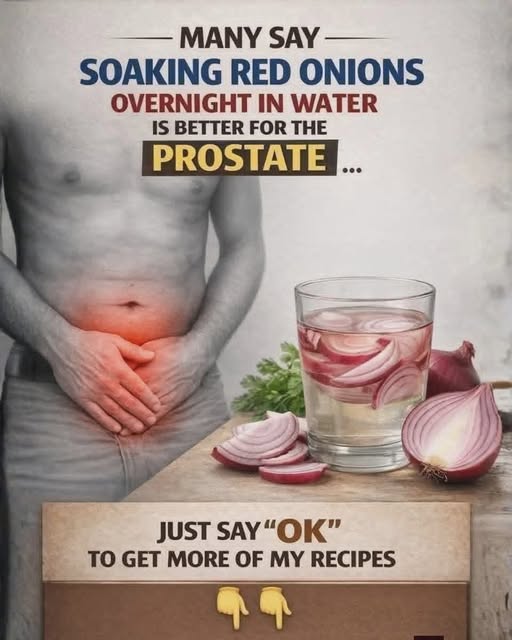
Onions are indeed one of the oldest and most widely used traditional ingredients across cultures, but the idea that they have special “generational healing powers” should be understood in a balanced, evidence-based way.
Onions: Traditional Ingredient with Modern Nutritional Value
Onions come from the plant family Allium and have been used in cooking and traditional home remedies for thousands of years. They remain a staple in nearly every cuisine because of their flavor, affordability, and versatility.
What onions actually contain
Onions are not just flavoring—they contain useful nutrients and plant compounds:
- Vitamin C – supports immune function
- Vitamin B6 – helps metabolism and nerve function
- Folate – important for cell growth
- Potassium – supports heart and fluid balance
- Quercetin – a plant antioxidant linked to anti-inflammatory effects
- Sulfur compounds – responsible for smell and some biological activity
Potential health benefits (supported by some research)
1. Heart health support
Onions may help:
- Support healthy blood vessels
- Slightly reduce blood pressure in some studies
- Improve antioxidant status
They are not a treatment for heart disease, but part of a heart-healthy diet.
2. Anti-inflammatory effects
Compounds like quercetin may help reduce mild inflammation in the body, but effects are modest compared to medical treatments.
3. Digestive support
Onions contain prebiotic fibers (like inulin), which:
- Feed beneficial gut bacteria
- Support gut microbiome health
4. Immune support
Because of vitamin C and antioxidants, onions may support general immune function, but they do not prevent or cure infections on their own.
Traditional uses (what grandparents often used them for)
Across cultures, onions have been used for:
- Cough and cold home remedies (onion syrup, onion juice mixtures)
- Wound poultices (historically, though not recommended today)
- General “cleansing” or strengthening foods in soups and broths
These uses are based on tradition rather than strong clinical evidence.
What onions do NOT do
It is important to be clear:
- They do not cure diseases
- They do not “detox the body”
- They do not replace medication
- They do not treat infections on their own
The body already detoxifies itself through the liver and kidneys.
Raw vs cooked onions
- Raw onions: higher in some antioxidants, stronger flavor, may cause acidity or gas
- Cooked onions: easier to digest, slightly reduced vitamin content but still nutritious
Both are healthy in moderation.
Possible side effects
Some people may experience:
- Bloating or gas
- Acid reflux
- Eye irritation while cutting
- Strong breath odor
People with IBS or sensitive digestion may need to limit intake.
Conclusion
Onions are a valuable traditional ingredient with real nutritional benefits and mild supportive effects on heart, gut, and immune health. However, they are not a cure-all or a replacement for medical treatment.
They are best understood as:
A healthy, functional food—not a medicine.
If you want, I can also turn this into:
- A viral-style blog post
- A “health benefits of onions” SEO article
- Or a comparison of onions vs garlic vs ginger for immunity and inflammation