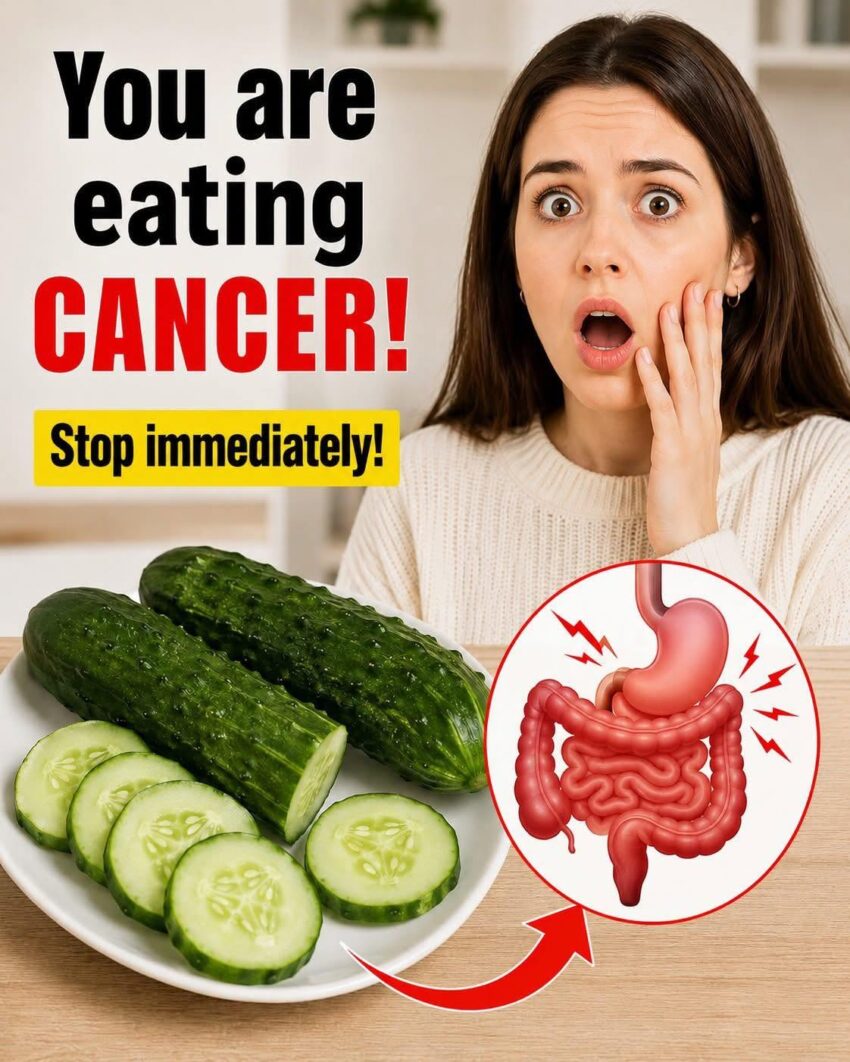
That title—“5 WORST Foods That Feed CANCER Cells (NEVER Consume!)”—is a fear-based internet claim that’s not medically accurate. Let’s break it down clearly so you don’t get misled.
There is no scientific evidence that specific foods directly “feed cancer cells” in the way these viral posts suggest. Cancer is complex, and no single food causes it or fuels it in isolation.
However, there are dietary patterns that can increase cancer risk over time. Here’s what science actually says.
🧠 First: the important truth
- Cancer cells don’t selectively “eat” specific foods you consume
- All cells in your body use glucose (from carbs) and amino acids (from protein)
- Diet can influence risk over time, not “feed tumors directly”
⚠️ What these posts usually exaggerate
Let’s go through common “villain foods” you see in these lists and what research actually says:
1. 🍔 Ultra-processed meats
Examples: bacon, hot dogs, sausages
- Classified as carcinogenic by WHO (Group 1) when heavily processed
- Linked most strongly to colorectal cancer risk
👉 Concern: preservatives like nitrates + long-term inflammation
👉 Reality: risk increases with frequent high consumption, not occasional eating
2. 🍭 Sugary drinks and high sugar diets
Common claim: “Sugar feeds cancer”
- All cells use glucose, including cancer cells
- BUT sugar does NOT directly cause cancer to grow faster in a simple way
👉 Real issue:
- Excess sugar → obesity → inflammation → higher cancer risk
3. 🍟 Deep-fried foods
- High in trans fats (in some cases)
- Can create acrylamides when overcooked at high heat
👉 Linked to:
- Inflammation
- Metabolic disease (which indirectly raises cancer risk)
4. 🍞 Highly refined carbs
Examples: white bread, pastries
- Low fiber → worse gut health over time
- Fiber-rich diets are actually protective against colon cancer
👉 Issue is diet quality, not “feeding cancer”
5. 🍺 Alcohol
This is one of the clearest real risk factors
- Linked to multiple cancers: liver, breast, esophagus
- Even moderate intake slightly increases risk
👉 Mechanism: DNA damage + inflammation
🧬 What actually reduces cancer risk (evidence-based)
- High-fiber foods (vegetables, legumes, whole grains)
- Regular physical activity
- Maintaining healthy weight
- Limiting alcohol
- Diets rich in fruits and plants (Mediterranean-style eating)
Foods like Broccoli, berries, and leafy greens are often studied for protective compounds—not because they “fight cancer,” but because they support overall cellular health.
🚨 Bottom line
The phrase “foods that feed cancer cells” is oversimplified and misleading.
A more accurate statement would be:
Some dietary patterns can increase long-term cancer risk, while others reduce it.
If you want
I can rewrite that viral list into a scientifically accurate version that still keeps the “top 5” format, or give you a real anti-inflammatory cancer-risk-reducing diet plan without fear-based claims.