Chayote: A Nutritious Vegetable, Not a Miracle Cure
Social media is full of eye-catching health claims, and one that often circulates says:
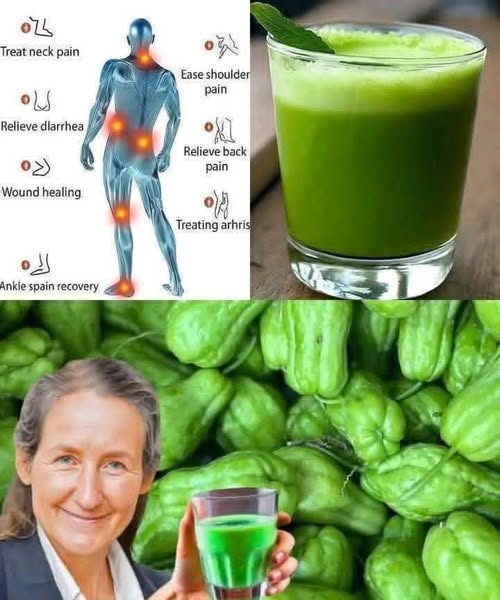
“Stop buying pills at the pharmacy, because with chayote you can eliminate knee pain, swollen feet, high blood pressure, cholesterol, poor circulation, and anemia.”
It sounds appealing. After all, who wouldn’t want a simple, natural solution to multiple health problems? However, it’s important to separate facts from myths. While chayote is a healthy vegetable with many nutritional benefits, there is no scientific evidence that it can cure or replace treatment for these conditions.
Let’s explore what chayote can—and cannot—do for your health.
What Is Chayote?
Chayote (Sechium edule) is a green, pear-shaped vegetable belonging to the gourd family, alongside cucumbers, squash, and pumpkins. It is widely grown in Latin America, Asia, and other tropical regions.
One of the reasons nutrition experts recommend chayote is because it is:
- Low in calories
- Rich in dietary fiber
- A good source of vitamin C
- Contains folate
- Provides potassium
- Naturally low in fat and sodium
These nutrients make chayote a valuable addition to a balanced diet.
The Truth Behind the Health Claims
1. Can Chayote Eliminate Knee Pain?
No.
Knee pain has many possible causes, including:
- Osteoarthritis
- Rheumatoid arthritis
- Sports injuries
- Tendon inflammation
- Ligament damage
- Gout
While eating vegetables rich in antioxidants may support overall health and help reduce inflammation as part of a healthy diet, there is no evidence that chayote specifically eliminates knee pain.
Effective treatment depends on the underlying cause and may include physical therapy, weight management, exercise, medications, or other medical interventions.
2. Can It Cure Swollen Feet?
No.
Swollen feet (edema) may occur because of:
- Standing or sitting for long periods
- Pregnancy
- Venous insufficiency
- Heart disease
- Kidney disease
- Liver disease
- Certain medications
Although chayote contains potassium and water, there is no scientific proof that it treats edema.
Persistent or severe swelling should always be evaluated by a healthcare professional because it can indicate a serious medical condition.
3. Does Chayote Lower High Blood Pressure?
Not by itself.
Chayote contains:
- Potassium
- Fiber
- Very little sodium
These characteristics make it an excellent food for people following heart-healthy eating patterns.
However, there is no strong clinical evidence showing that chayote alone lowers blood pressure enough to replace prescribed medication.
People with hypertension benefit most from a comprehensive approach that includes:
- A balanced diet
- Regular exercise
- Weight management
- Limiting sodium intake
- Avoiding smoking
- Taking medications when prescribed
4. Can It Reduce Cholesterol?
It may help as part of a healthy diet—but it is not a cure.
Fiber-rich vegetables like chayote contribute to healthy cholesterol levels by supporting overall dietary quality.
However, eating chayote alone will not dramatically lower LDL (“bad”) cholesterol.
For people with high cholesterol, doctors may recommend:
- Increasing soluble fiber
- Choosing healthy fats
- Regular physical activity
- Weight management
- Cholesterol-lowering medications when necessary
5. Does Chayote Improve Poor Circulation?
There is no reliable evidence.
Poor circulation may result from:
- Peripheral artery disease
- Diabetes
- Blood vessel disorders
- Heart disease
- Smoking
No high-quality research demonstrates that chayote improves blood circulation or reverses vascular disease.
Improving circulation usually involves treating the underlying cause rather than relying on a single food.
6. Can Chayote Treat Anemia?
No.
Anemia develops when the body lacks enough healthy red blood cells or hemoglobin.
Common causes include deficiencies of:
- Iron
- Vitamin B12
- Folate
Although chayote contains some folate, it is not rich enough in iron or vitamin B12 to serve as a treatment for anemia.
Proper treatment depends on identifying the cause through medical evaluation and may include supplements, dietary changes, or other therapies.
What Does Science Say About Chayote?
Research suggests that chayote contains beneficial plant compounds such as antioxidants and phytochemicals.
These compounds may help:
- Protect cells from oxidative stress
- Support immune function
- Promote digestive health
- Contribute to overall cardiovascular health as part of a balanced diet
However, most studies have been laboratory or animal studies, and more high-quality human research is needed before making medical claims.
Real Benefits of Eating Chayote
Including chayote in your meals may help you:
✔ Increase vegetable intake
✔ Improve fiber consumption
✔ Support digestive health
✔ Maintain a healthy weight
✔ Add vitamins and minerals to your diet
✔ Reduce calorie intake while staying full
These are meaningful benefits—but they are different from curing disease.
Why “Natural Cure” Claims Can Be Harmful
Claims that encourage people to stop taking prescribed medications can be dangerous.
Conditions such as:
- High blood pressure
- High cholesterol
- Severe anemia
- Heart disease
often require medical monitoring and treatment.
Stopping medications without professional guidance may increase the risk of serious complications, including heart attack, stroke, or worsening disease.
Natural foods and medical treatments are not mutually exclusive—they often work best together.
Healthy Ways to Enjoy Chayote
Chayote is versatile and easy to include in meals. You can:
- Steam it as a side dish
- Add it to soups and stews
- Stir-fry it with garlic and vegetables
- Roast it with herbs
- Slice it into salads
- Blend it into vegetable dishes
Its mild flavor pairs well with many cuisines.
Final Thoughts
Chayote is a nutritious, low-calorie vegetable that deserves a place in a healthy eating pattern. It provides fiber, vitamins, minerals, and antioxidants that support overall wellness.
However, the claim that it can eliminate knee pain, swollen feet, high blood pressure, cholesterol, poor circulation, or anemia—and replace pharmacy medications—is not supported by scientific evidence.
The healthiest approach is to enjoy chayote as part of a varied, balanced diet while continuing evidence-based medical care for chronic health conditions. If you are considering changing or stopping any prescribed medication, consult your healthcare provider first.