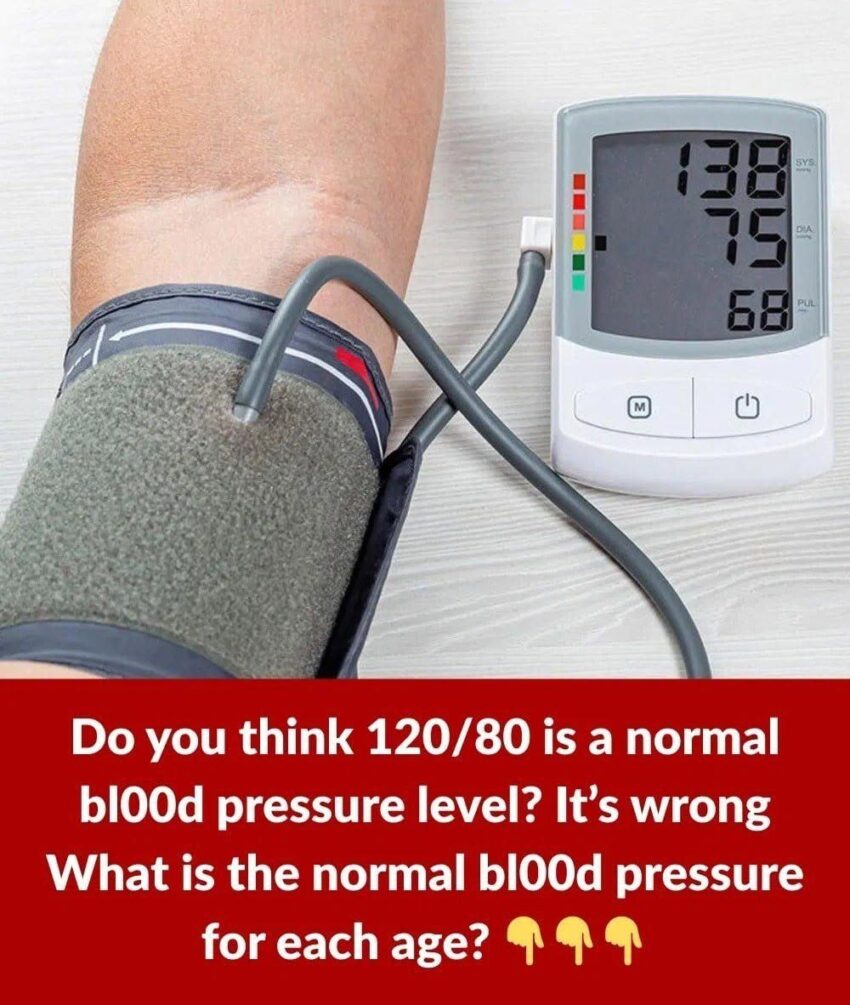
What Is the Normal Blood Pressure for Each Age?
Blood pressure is one of the most important indicators of heart health. It measures the force of blood pushing against the walls of your arteries as your heart pumps. While blood pressure can change throughout the day due to activity, stress, and other factors, consistently high or low readings may require medical attention.
A common misconception is that “normal” blood pressure increases significantly with age. In reality, for most adults, the same healthy blood pressure range applies regardless of age.
Understanding Blood Pressure Readings
Blood pressure is recorded as two numbers, such as 120/80 mmHg.
- Systolic pressure (top number): The pressure in your arteries when your heart beats.
- Diastolic pressure (bottom number): The pressure in your arteries when your heart rests between beats.
Both numbers are important in assessing cardiovascular health.
Blood Pressure Categories for Adults
According to widely used clinical guidelines, blood pressure is generally classified as follows:
| Category | Systolic (mmHg) | Diastolic (mmHg) |
|---|---|---|
| Normal | Less than 120 | Less than 80 |
| Elevated | 120–129 | Less than 80 |
| High Blood Pressure (Stage 1) | 130–139 | 80–89 |
| High Blood Pressure (Stage 2) | 140 or higher | 90 or higher |
| Hypertensive Crisis* | Higher than 180 | Higher than 120 |
*If a reading is above 180/120 mmHg, especially if accompanied by symptoms such as chest pain, shortness of breath, severe headache, vision changes, or confusion, seek immediate medical attention.
Is There a “Normal” Blood Pressure by Age?
Although blood pressure tends to rise with age due to changes in blood vessels and other factors, healthcare providers generally aim for similar healthy ranges across adulthood.
Here is a general guide:
| Age Group | Healthy Blood Pressure Goal* |
|---|---|
| 18–39 years | Less than 120/80 mmHg is considered normal |
| 40–59 years | Less than 120/80 mmHg remains the ideal range |
| 60 years and older | Less than 120/80 mmHg is still considered normal, although treatment goals may be individualized based on overall health and medical conditions |
*Treatment targets may vary depending on a person’s health status, medications, and advice from their healthcare provider.
What About Children and Teenagers?
Normal blood pressure in children is not defined by a single number. Instead, it depends on:
- Age
- Sex
- Height
Healthcare providers use specialized charts to determine whether a child’s blood pressure is within the expected range.
Factors That Affect Blood Pressure
Many factors can influence blood pressure, including:
- Physical activity
- Stress and anxiety
- Diet, especially sodium intake
- Body weight
- Smoking
- Alcohol consumption
- Certain medications
- Sleep quality
- Family history
- Chronic conditions such as diabetes or kidney disease
Because of these influences, a single reading does not necessarily indicate a problem. Multiple readings taken on different days often provide a more accurate picture.
Tips for Maintaining Healthy Blood Pressure
You can support healthy blood pressure by:
- Eating a balanced diet rich in fruits, vegetables, whole grains, and lean proteins.
- Limiting foods high in sodium.
- Staying physically active.
- Maintaining a healthy weight.
- Avoiding tobacco products.
- Limiting alcohol intake.
- Managing stress.
- Getting enough sleep.
- Taking prescribed medications exactly as directed.
When to See a Healthcare Provider
Speak with a healthcare provider if:
- Your readings are consistently 130/80 mmHg or higher.
- Your blood pressure is frequently lower than usual and you experience dizziness or fainting.
- You notice a sudden or significant change in your readings.
- You have risk factors such as diabetes, kidney disease, or a family history of heart disease.
Final Thoughts
There is no separate “normal blood pressure” for each adult age group. While blood pressure often increases with age, healthcare professionals generally consider less than 120/80 mmHg to be the normal range for most adults. Regular monitoring, healthy lifestyle habits, and appropriate medical care can help reduce the risk of heart disease, stroke, and other complications associated with abnormal blood pressure.