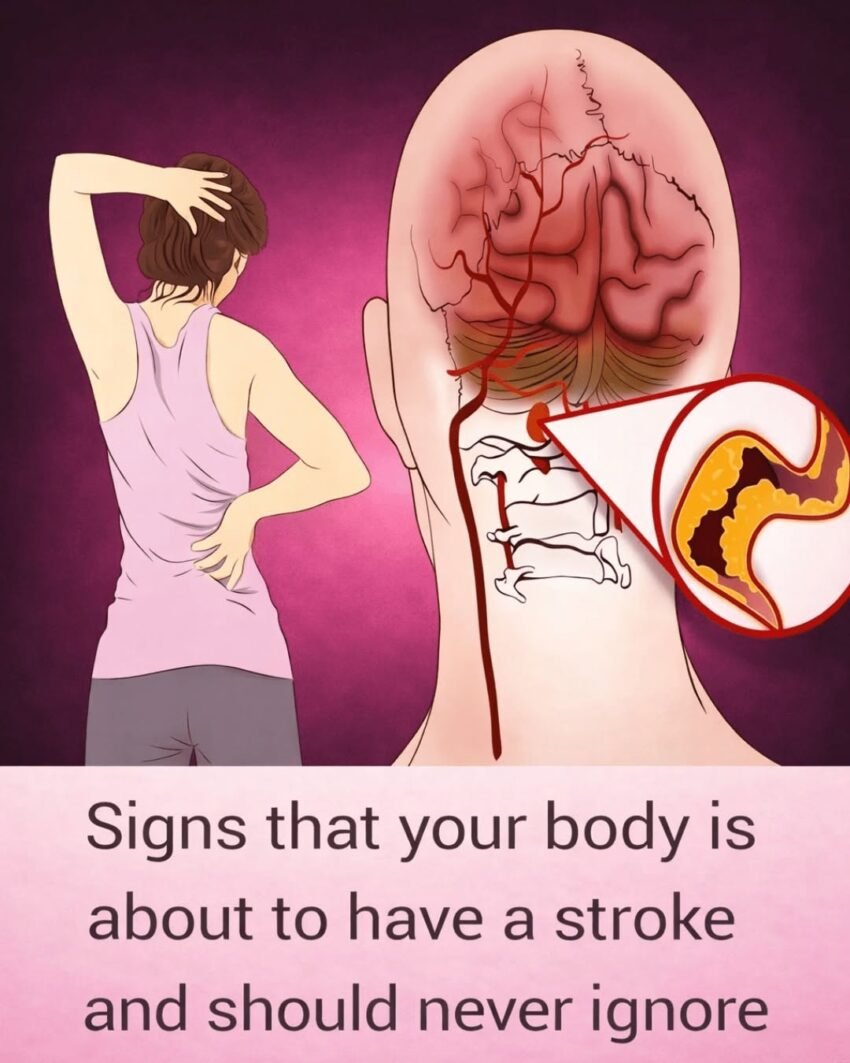
A stroke is a medical emergency that occurs when blood flow to part of the brain is interrupted or when a blood vessel in the brain bursts. Without a steady supply of oxygen and nutrients, brain cells begin to die within minutes. That’s why recognizing the warning signs early and seeking immediate medical attention can make a life-saving difference.
According to health organizations around the world, early treatment can reduce brain damage, improve recovery, and increase the chances of survival. Knowing the symptoms could help you act quickly—not only for yourself but also for a loved one.
Here are 10 early warning signs of a stroke that everyone should know.
1. Sudden Numbness or Weakness on One Side of the Body
One of the most common signs of a stroke is sudden weakness or numbness, especially on one side of the body. It may affect the face, arm, or leg.
For example, a person may notice that one arm feels unusually heavy or difficult to lift, or one side of the face may begin to droop.
Watch for:
- Drooping on one side of the face
- Weakness in one arm or leg
- Tingling or loss of sensation on one side
This symptom should never be ignored, even if it seems mild or improves quickly.
2. Difficulty Speaking or Understanding Speech
A stroke can affect the parts of the brain responsible for language. Someone experiencing a stroke may suddenly struggle to speak clearly, find the right words, or understand what others are saying.
You might notice:
- Slurred speech
- Confused or mixed-up words
- Trouble following simple conversations
- Difficulty repeating a simple sentence
If speech changes appear suddenly, seek emergency medical care immediately.
3. Sudden Vision Problems
A stroke may cause changes in vision in one or both eyes.
Possible symptoms include:
- Blurred vision
- Double vision
- Partial loss of vision
- Complete loss of vision in one eye
Some people describe it as a curtain or shadow covering part of their vision.
4. Severe, Sudden Headache
A sudden, intense headache—especially one that feels unlike any previous headache—can be a warning sign of a stroke, particularly a hemorrhagic stroke caused by bleeding in the brain.
The headache may be accompanied by:
- Nausea
- Vomiting
- Dizziness
- Confusion
- Loss of consciousness
A severe headache that appears without an obvious cause requires immediate medical evaluation.
5. Loss of Balance or Coordination
If someone suddenly becomes unsteady while walking or has difficulty maintaining balance, it may signal that the stroke is affecting areas of the brain responsible for movement and coordination.
Signs include:
- Difficulty walking
- Frequent stumbling
- Trouble standing upright
- Poor coordination
These symptoms are especially concerning when they appear suddenly.
6. Sudden Dizziness
Feeling dizzy can have many causes, but sudden dizziness that occurs alongside other neurological symptoms should be treated as an emergency.
A stroke-related episode may involve:
- Feeling as though the room is spinning
- Difficulty walking straight
- Loss of balance
- Trouble coordinating movements
Do not assume it’s simply fatigue or an inner ear problem without medical assessment.
7. Facial Drooping
Facial weakness is one of the easiest stroke symptoms to recognize.
Ask the person to smile. If one side of the face doesn’t move normally or appears to droop, it could indicate a stroke.
Other signs include:
- Uneven smile
- Drooping eyelid
- Difficulty controlling facial muscles
This is one of the key warning signs included in the widely used FAST stroke screening tool.
8. Confusion or Trouble Thinking Clearly
A stroke can suddenly affect memory, judgment, and concentration.
Someone may:
- Become confused without explanation
- Struggle to answer simple questions
- Forget familiar information
- Appear disoriented
Sudden confusion is never considered a normal part of aging and should be evaluated immediately.
9. Difficulty Swallowing
Some strokes affect the muscles involved in swallowing, making eating or drinking difficult.
Symptoms may include:
- Choking while eating
- Coughing after swallowing
- Feeling that food is stuck
- Drooling due to poor muscle control
Difficulty swallowing also increases the risk of food or liquid entering the lungs, which can lead to complications such as pneumonia.
10. Sudden Fatigue or Weakness Without Explanation
Although less widely recognized, some people report an abrupt onset of overwhelming fatigue or generalized weakness before or during a stroke. This symptom is more likely to be significant when it occurs suddenly and is accompanied by other warning signs listed above.
On its own, fatigue has many possible causes and is not specific to stroke. However, if it appears together with symptoms such as facial drooping, speech difficulties, or one-sided weakness, seek emergency medical care immediately.
Remember the FAST Warning Signs
A simple way to recognize the most common signs of a stroke is the FAST acronym:
- F – Face: Ask the person to smile. Does one side droop?
- A – Arms: Ask them to raise both arms. Does one arm drift downward?
- S – Speech: Is speech slurred or difficult to understand?
- T – Time: If you notice any of these signs, call your local emergency medical services immediately.
Some organizations also use BE FAST, adding:
- B – Balance: Sudden loss of balance or coordination.
- E – Eyes: Sudden changes in vision.
What to Do If You Suspect a Stroke
If you think someone is having a stroke:
- Call your local emergency medical services immediately. Do not wait to see if symptoms improve.
- Note the time when symptoms first began, if known. This information can help guide treatment decisions.
- Keep the person safe and comfortable while waiting for emergency responders.
- Do not give food, drinks, or medication unless instructed by a healthcare professional, as swallowing may be impaired.
- If the person becomes unresponsive and is not breathing normally, follow your local emergency dispatcher’s instructions and begin CPR if you are trained and advised to do so.
Who Is at Higher Risk?
Anyone can have a stroke, but the risk increases with certain factors, including:
- High blood pressure
- Diabetes
- High cholesterol
- Smoking
- Heart conditions such as atrial fibrillation
- Obesity
- Physical inactivity
- Excessive alcohol use
- Increasing age
- Family history of stroke
Managing these risk factors can significantly reduce the likelihood of having a stroke.
Final Thoughts
A stroke can happen without warning, and every minute matters. Recognizing the early symptoms and seeking immediate medical attention can improve the chances of survival and reduce the risk of long-term disability.
Learning the warning signs—such as sudden one-sided weakness, facial drooping, speech difficulties, vision changes, severe headache, balance problems, and confusion—can help you respond quickly when it matters most.
Disclaimer: This article is for informational purposes only and is not a substitute for professional medical advice, diagnosis, or treatment. If you or someone else develops symptoms that could indicate a stroke, seek emergency medical care immediately.