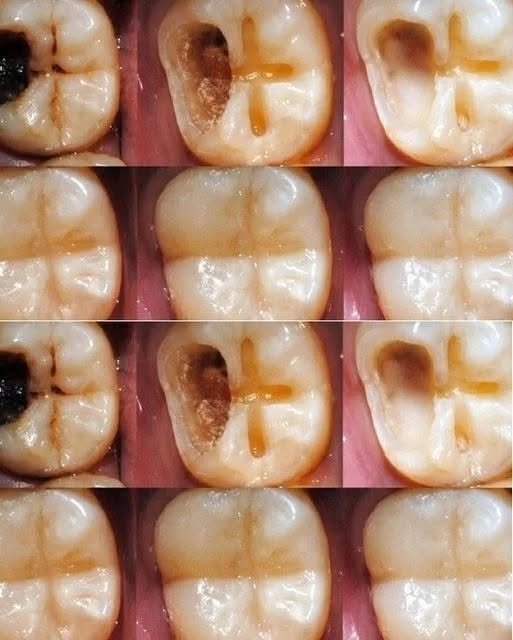
Your teeth are designed to last a lifetime, but the protective outer layer called enamel needs consistent care. Enamel is the hardest substance in the human body, yet it can gradually weaken due to acids, bacteria, poor nutrition, and everyday habits.
While enamel cannot fully grow back once it is lost, you can support stronger enamel, protect your teeth, and maintain good oral health naturally through proper nutrition and daily care.
What Is Tooth Enamel and Why Is It Important?
Enamel is the thin outer covering of your teeth. It protects the softer inner layers from:
- Bacteria
- Acid attacks
- Temperature changes
- Daily chewing pressure
Unlike bones, enamel does not contain living cells, which means the body cannot completely rebuild damaged enamel. However, saliva and minerals can help with a natural repair process called remineralization.
1. Eat Foods Rich in Calcium
Calcium is one of the most important minerals for strong teeth because it helps maintain the structure of teeth and bones.
Good calcium sources include:
- Milk
- Yogurt
- Cheese
- Leafy green vegetables
- Almonds
- Fortified foods
- Sardines with bones
Including calcium-rich foods regularly can support overall dental health.
2. Get Enough Vitamin D
Vitamin D helps the body absorb calcium effectively.
Low vitamin D levels may affect bone and tooth health.
Natural sources include:
- Safe sunlight exposure
- Fatty fish
- Egg yolks
- Fortified dairy products
If you suspect a deficiency, a healthcare professional can help determine whether testing is needed.
3. Eat Foods That Encourage Saliva Production
Saliva is your mouth’s natural defense system. It helps:
- Wash away food particles
- Neutralize acids
- Deliver minerals to teeth
Foods that encourage saliva include:
- Crunchy vegetables like carrots and celery
- Apples
- Sugar-free chewing gum
4. Limit Acidic Foods and Drinks
Acid can soften enamel over time.
Common acidic items include:
- Soda
- Energy drinks
- Frequent citrus juice consumption
- Acidic candies
You do not necessarily need to eliminate these foods, but moderation matters.
Helpful tips:
- Drink water after acidic foods.
- Avoid brushing immediately after acidic drinks because enamel may be temporarily softened.
- Use a straw for acidic beverages when appropriate.
5. Choose Tooth-Friendly Foods
Foods that support dental health include:
Dairy Products
Cheese and yogurt contain calcium and may help neutralize acids.
Crunchy Fruits and Vegetables
They increase saliva flow and provide nutrients.
Nuts and Seeds
They provide minerals such as calcium and phosphorus.
Protein-Rich Foods
Eggs, fish, beans, and lean meats provide nutrients needed for overall health.
6. Maintain Good Oral Hygiene
Natural methods work best when combined with proper dental care.
Daily habits:
✅ Brush twice daily with fluoride toothpaste
✅ Floss regularly
✅ Clean your tongue
✅ Replace your toothbrush when worn
✅ Visit a dentist for regular checkups
Fluoride helps strengthen enamel and is widely recommended by dental organizations for preventing cavities.
7. Drink Enough Water
Water supports oral health by:
- Washing away food particles
- Helping saliva production
- Reducing dryness in the mouth
Fluoridated water, where available, may provide additional cavity protection.
8. Avoid Frequent Snacking on Sugar
Sugar feeds harmful mouth bacteria, which produce acids that attack enamel.
Instead of frequent sugary snacks:
- Choose balanced meals.
- Rinse your mouth with water after sweets.
- Avoid sipping sugary drinks throughout the day.
The frequency of sugar exposure matters as much as the amount.
9. Consider Foods Rich in Phosphorus
Phosphorus works with calcium to support tooth structure.
Sources include:
- Fish
- Eggs
- Meat
- Dairy products
- Beans
- Nuts
A balanced diet usually provides enough phosphorus for most people.
10. Protect Your Teeth From Damage
Avoid habits that can weaken or damage teeth:
❌ Using teeth to open packages
❌ Chewing ice frequently
❌ Grinding teeth without protection
❌ Smoking or tobacco use
If you grind your teeth at night, a dentist can recommend protective options.
Natural Remedies: What About Oil Pulling and Home Treatments?
Some people use natural practices like oil pulling with coconut oil. While it may reduce some bacteria in the mouth, it does not replace brushing, flossing, fluoride toothpaste, or professional dental care.
Be cautious with harsh homemade whitening methods, such as frequent use of acids or abrasive powders, because they may damage enamel.
Signs Your Enamel May Need Attention
Talk to a dentist if you notice:
- Tooth sensitivity
- Increased cavities
- Yellowing or transparency at the edges of teeth
- Cracks or chips
- Pain when eating hot, cold, or sweet foods
Early care can prevent bigger problems.
Final Thoughts
Strong teeth and healthy enamel come from a combination of good nutrition, proper oral hygiene, and smart daily habits. Foods rich in calcium, vitamin D, and minerals can support your teeth, while limiting acid and sugar exposure helps protect enamel.
Although enamel cannot fully regenerate once it is lost, your body can naturally strengthen and protect your teeth through remineralization. With consistent care, you can help maintain a healthier, stronger smile for years to come. 🦷✨
SEO Keywords: strong teeth naturally, strengthen tooth enamel, foods for healthy teeth, natural dental care tips, calcium for teeth, vitamin D and teeth health, protect enamel naturally, healthy smile habits.