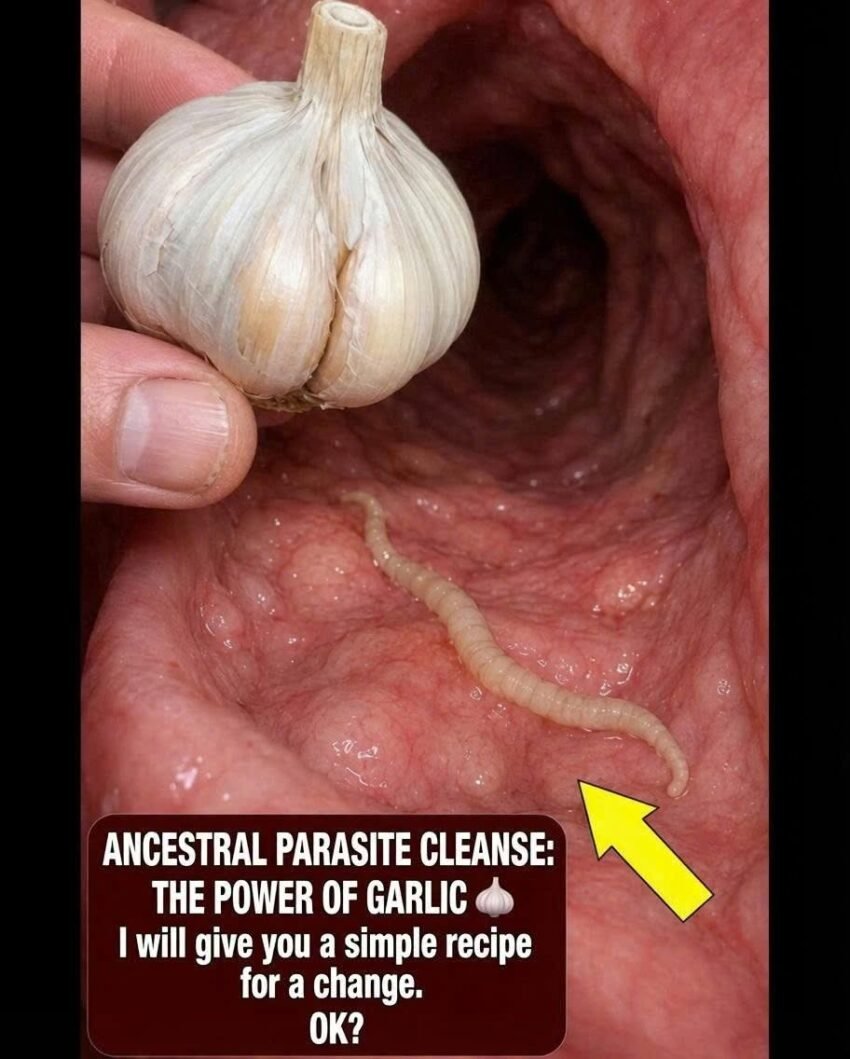
For thousands of years, garlic has been valued not only as a flavorful ingredient but also as a traditional remedy in many cultures. Ancient civilizations used it for a wide range of health concerns, including digestive problems and parasitic infections. This long history has led many people to wonder whether garlic can truly act as a natural dewormer.
While garlic contains compounds with antimicrobial and antiparasitic properties in laboratory studies, modern scientific evidence is limited, and garlic should not be considered a proven replacement for prescribed deworming medications. Here’s what current research suggests.
Why Garlic Has Been Used Traditionally
Garlic (Allium sativum) has been used in traditional medicine for centuries in regions across Asia, Africa, Europe, and the Middle East. Historically, it was believed to help:
- Support digestive health
- Fight infections
- Boost the immune system
- Improve overall wellness
- Help expel intestinal parasites
Its reputation as a natural dewormer comes largely from these traditional practices rather than strong clinical evidence.
What Makes Garlic Potentially Beneficial?
Garlic contains several sulfur-containing compounds, the most well-known being allicin, which forms when fresh garlic is chopped or crushed.
Researchers have found that garlic also contains:
- Allicin
- Diallyl sulfides
- Ajoene
- Flavonoids
- Antioxidants
In laboratory studies, these compounds have shown antibacterial, antifungal, antiviral, and some antiparasitic activity. However, effects seen in test tubes or animal studies do not necessarily mean garlic is effective for treating parasitic infections in humans.
Can Garlic Kill Intestinal Worms?
Some laboratory and animal studies suggest that garlic extracts may affect certain parasites. However, there is not enough high-quality clinical evidence to conclude that eating garlic alone can reliably eliminate intestinal worms in people.
Modern antiparasitic medications are specifically designed to target worms effectively and have been extensively tested for safety and effectiveness. Garlic has not been shown to provide the same level of reliable treatment.
If you suspect a parasitic infection, it’s important to seek a medical diagnosis rather than relying solely on home remedies.
Other Health Benefits of Garlic
Although garlic is not a proven deworming treatment, research suggests it may offer several other health benefits when included as part of a balanced diet.
Potential benefits include:
1. Rich in Antioxidants
Garlic contains antioxidants that help protect cells from oxidative stress, which may contribute to healthy aging.
2. Supports Heart Health
Some studies suggest that regular garlic consumption may have modest effects on lowering blood pressure and improving cholesterol levels in some people, although it should not replace prescribed treatments.
3. Immune System Support
Garlic contains compounds that may support normal immune function, though more research is needed to fully understand these effects.
4. Antimicrobial Activity
Laboratory studies have shown that garlic can inhibit the growth of certain bacteria and fungi. However, these findings do not mean garlic can replace antibiotics or other medical treatments when they are needed.
Traditional Ways Garlic Has Been Used
In traditional practices, garlic has been consumed in several forms, including:
- Fresh raw garlic
- Cooked garlic in meals
- Garlic-infused oils
- Herbal preparations
- Garlic supplements
The amount of active compounds varies depending on how garlic is prepared, and supplements are not regulated in the same way as prescription medications.
Are There Any Risks?
Garlic is generally safe for most people when consumed in normal food amounts. However, larger amounts or supplements may cause:
- Bad breath
- Heartburn
- Stomach upset
- Bloating
- Nausea
Garlic may also increase the risk of bleeding, especially in people taking blood-thinning medications or those preparing for surgery. Some individuals may also have an allergy to garlic.
It’s a good idea to talk with a healthcare professional before taking high-dose garlic supplements, particularly if you have underlying health conditions or take prescription medications.
What If You Think You Have Worms?
Symptoms of intestinal worm infections can include:
- Abdominal pain
- Diarrhea
- Unexplained weight loss
- Itching around the anus (especially at night with pinworms)
- Fatigue
- Visible worms in the stool
If you experience these symptoms, consult a healthcare professional. A stool test or other evaluation can identify the cause, and effective antiparasitic medications can usually treat the infection.
Avoid delaying medical care by relying solely on natural remedies if a parasitic infection is suspected.
Tips to Help Prevent Intestinal Worm Infections
Good hygiene remains one of the best ways to reduce the risk of intestinal parasites.
Helpful habits include:
- Wash your hands thoroughly with soap and water before eating and after using the bathroom.
- Wash fruits and vegetables before eating them.
- Cook meat and fish thoroughly.
- Drink clean, safe water.
- Wear shoes when walking in areas where soil may be contaminated.
- Keep fingernails clean and trimmed, especially for children.
Final Thoughts
Garlic has earned its reputation as an ancient medicinal plant through centuries of traditional use, and it contains natural compounds with promising antimicrobial and antiparasitic activity in laboratory research. However, current scientific evidence does not support using garlic as a reliable or standalone treatment for intestinal worm infections in humans.
Including garlic in a healthy diet may provide nutritional and potential health benefits, but if you suspect you have a parasitic infection, prompt medical evaluation and appropriate antiparasitic medication remain the safest and most effective approach.
Disclaimer: This article is for informational purposes only and is not a substitute for professional medical advice, diagnosis, or treatment. Always consult a qualified healthcare professional for concerns about parasitic infections or before using supplements for medicinal purposes.